
Tailored to Express: The Power Suit Reimagined
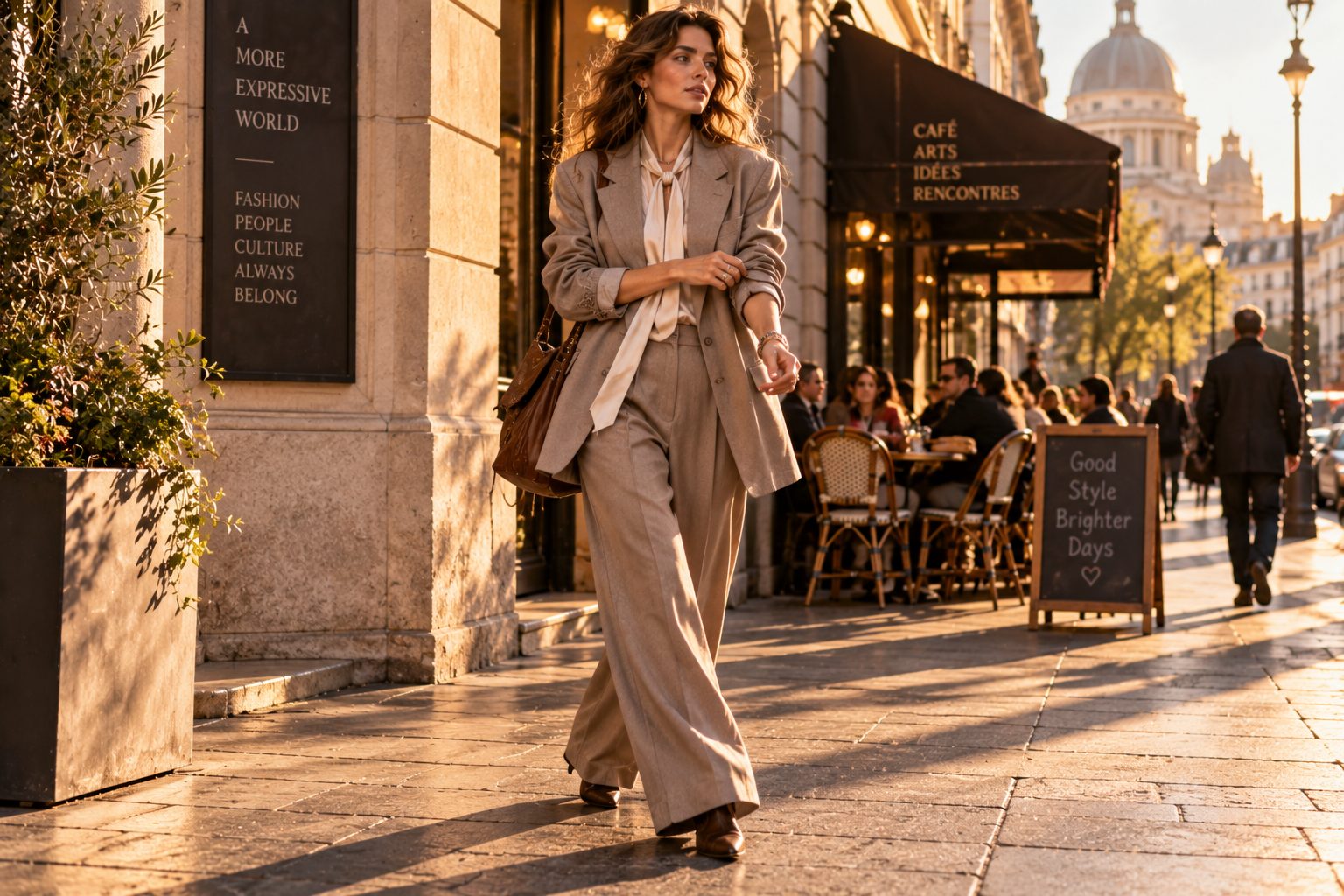
The power suit, historically synonymous with authority and rigidity, is experiencing a remarkable transformation in the Fall-Winter 2026 season. This evolution is not merely a trend; it signifies a broader shift in fashion towards more expressive and practical styles. Designers are taking classic silhouettes and infusing them with softer lines and unexpected details, creating a balance between tradition and modernity.
A Softer Approach to Power
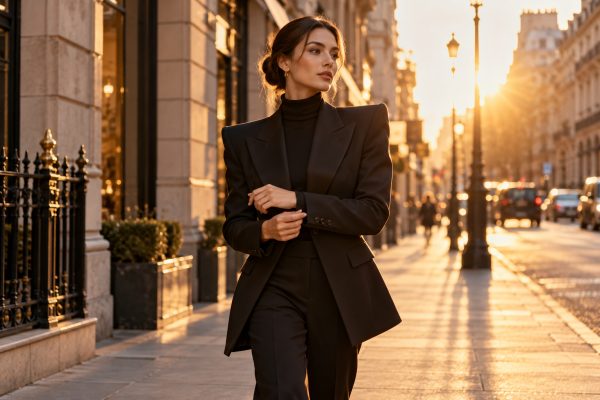
This season, the definition of power dressing is being redefined. The rigid structures and sharp lines of traditional suits are giving way to softer silhouettes. This shift is evident in the collections of leading fashion houses such as Chanel, Celine, and Balenciaga, where relaxed tailoring and sculptural shapes take center stage. The emphasis is on comfort and fluidity, with sloping shoulders and unlined constructions allowing for greater movement and ease.
Saint Laurent's recent runway presentation epitomized this trend, showcasing suits with fluid lines and a nonchalant elegance. The brand's approach involved using lightweight fabrics and innovative cuts that maintain the suit's classic appeal while adding a contemporary twist. This move towards a relaxed form does not diminish the suit's power but rather enhances it, offering a fresh perspective on what it means to dress with authority. In particular, the use of soft, breathable materials like cashmere blends and silk-wool mixes adds a luxurious yet approachable feel to these ensembles.
Unexpected Details and Textures
Another fascinating aspect of this season's power suits is the incorporation of unexpected details. Designers are experimenting with peplums, voluminous shapes, and unique textures, adding a layer of personality to these traditionally formal garments. This playful approach is evident in the work of Givenchy and Victoria Beckham, who have introduced elements such as narrow trouser suits and asymmetrical cuts, bringing a youthful sharpness to their collections.
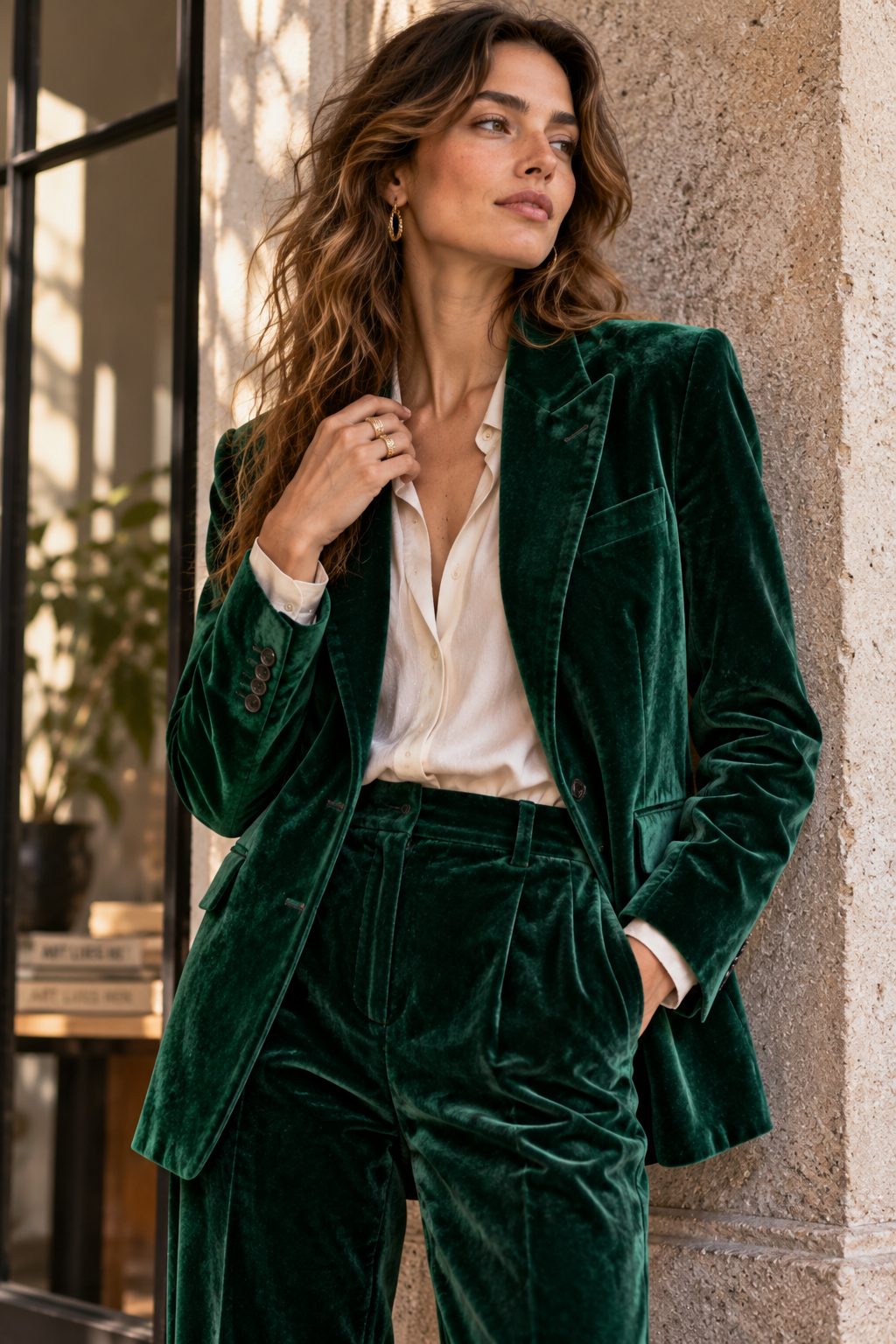
Textures play a crucial role in this transformation. From velvet to wool blends, the tactile experience of these fabrics adds sophistication and depth. The subtle use of patterns, like houndstooth or pinstripes, creates visual interest that invites a closer look while maintaining the professional gravitas expected of a power suit. These innovations highlight the growing trend of blurring lines between formal and casual, making these suits versatile enough to transition from boardroom to after-hours effortlessly. The addition of innovative closures, such as magnetic buttons or concealed zippers, further modernizes the traditional suit.
Global Interpretations and Gender Fluidity
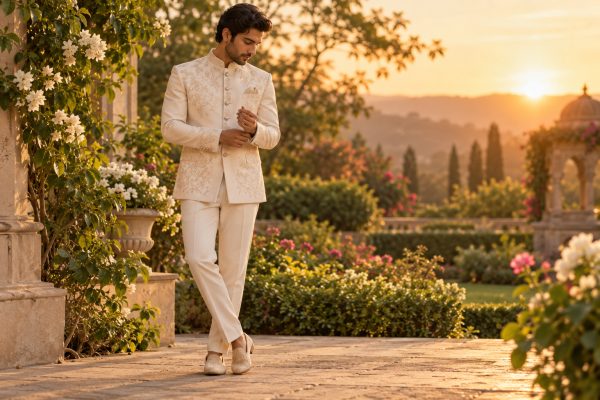
The modern power suit is a global phenomenon, with designers across the world reinterpreting it to suit different cultural contexts. In Europe and the United States, there's a focus on versatility, with pieces that can be styled for both professional and casual settings. Meanwhile, in Asia, traditional tailoring techniques are being fused with modern elements to cater to a younger, fashion-forward demographic. The Middle East sees an adaptation of these trends with modest tailoring that respects cultural norms while embracing contemporary aesthetics.
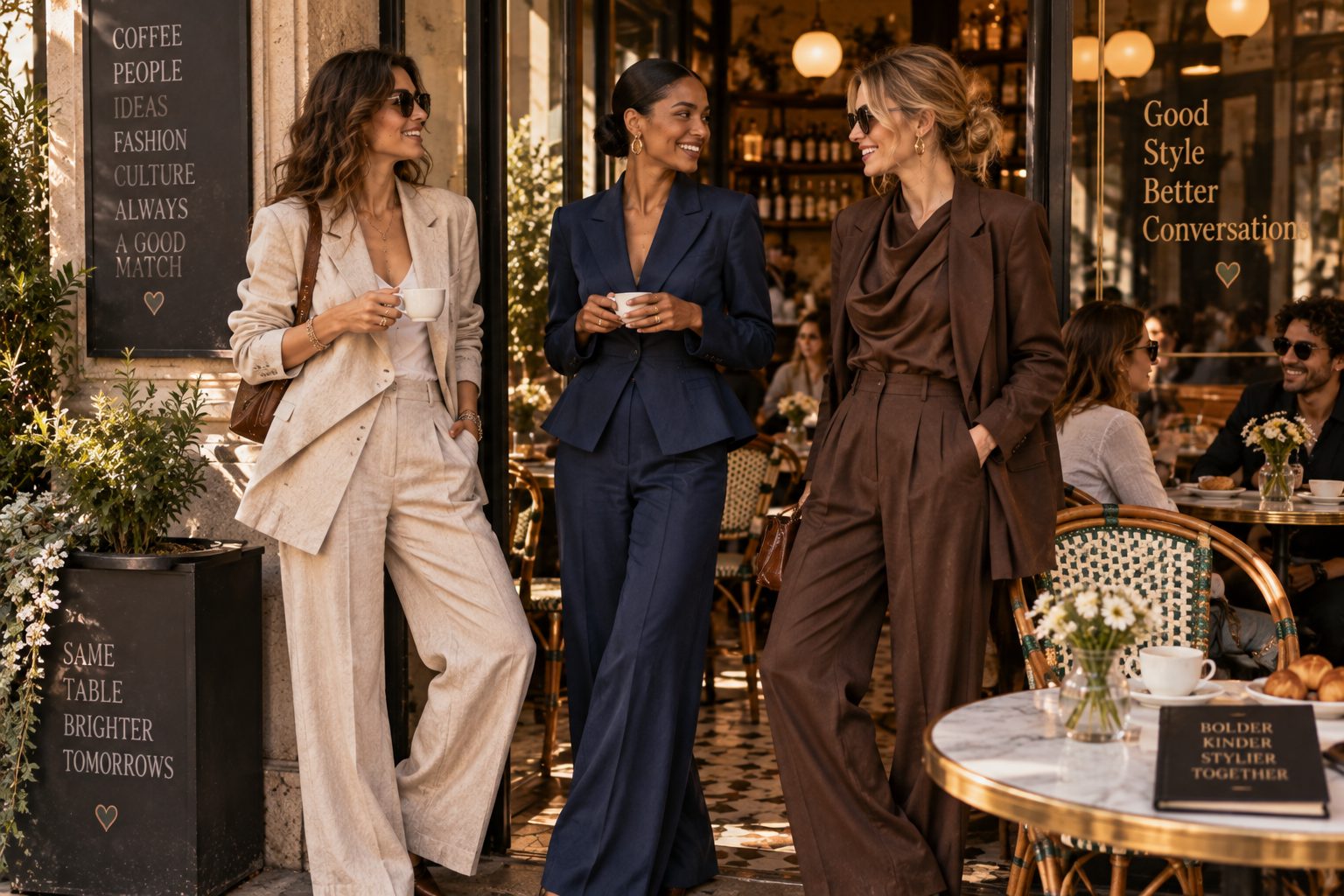
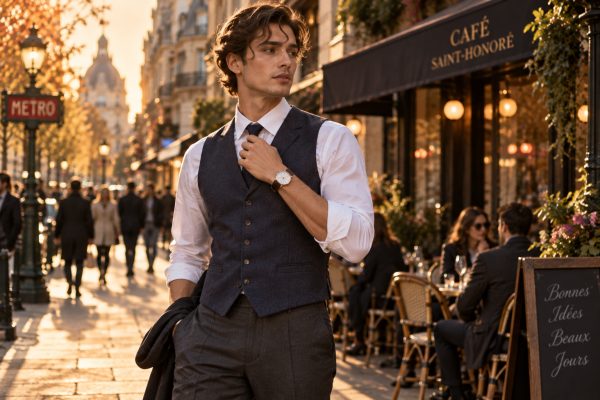
Gender fluidity is another significant aspect of this season's power suits. The blurring of traditional gender lines is not just a nod to modern sensibilities but a reflection of the evolving nature of fashion itself. Elements typically associated with menswear, such as structured shoulders and tailored trousers, are being incorporated into womenswear, and vice versa. This cross-pollination creates a dynamic and inclusive fashion landscape where anyone can express their identity through what they wear. Designers are also playing with proportions, offering oversized blazers and cropped trousers that defy conventional gender expectations.
Seasonal Relevance and Style Interpretation
The softer power suit is suitable for both hemispheres, adapting seamlessly to varying climates. In the Northern Hemisphere, these suits are layered with turtlenecks and overcoats, providing warmth without compromising on style. In contrast, the Southern Hemisphere sees these suits crafted from lighter fabrics like linen blends, allowing for comfort in milder temperatures. The versatility of these garments is further enhanced by their ability to be dressed up or down, depending on the occasion.
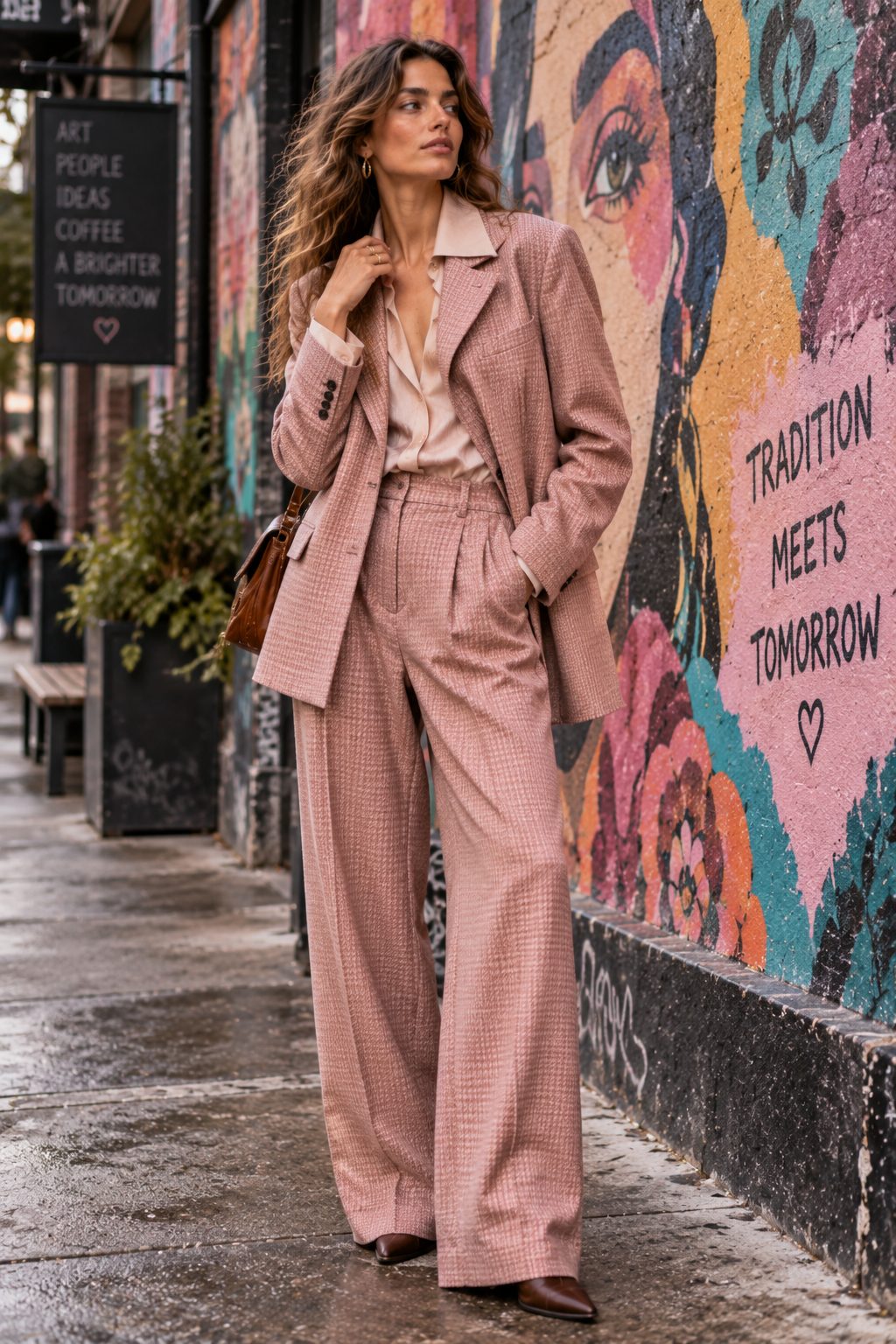
The modern power suit now features:
- Softer Silhouettes: Relaxed fits with sloping shoulders and fluid lines.
- Unexpected Details: Incorporation of peplums, voluminous shapes, and unique textures.
- Gender Fluidity: Blurring traditional gender lines with elements borrowed from both menswear and womenswear.
Garment Types and Image Opportunities
The reimagined power suit encompasses a variety of garments:
- Blazers: With relaxed fits and unique details like peplums or asymmetrical cuts.
- Trousers: Wide-legged or tapered, often featuring unexpected textures or patterns.
- Shirts: Button-ups with softer fabrics and unconventional collars.
- Dresses: Incorporating suiting elements like structured shoulders or lapels.
Visual elements play a crucial role in understanding this trend. Runway shots highlight the bold new designs, street style captures the everyday adaptability, and designer sketches provide insight into the creative process behind these garments.
The Fall-Winter 2026 season heralds a new era for the power suit. With softer silhouettes, unexpected details, and a global reinterpretation, designers are not merely making a statement about fashion but about the power of self-expression. As the boundaries of traditional tailoring continue to blur, the modern power suit stands as a testament to the evolving dialogue between style, comfort, and individuality. In this new landscape, the power suit is not just a garment; it is a canvas for creativity and personal expression.
Tailoringpower suitFall-Winter 2026fashion reportsoft silhouettesmodern details
Comments
No comments yet — start the conversation.