
Art Deco Revival: 1920s Glamour Meets Modern Fashion
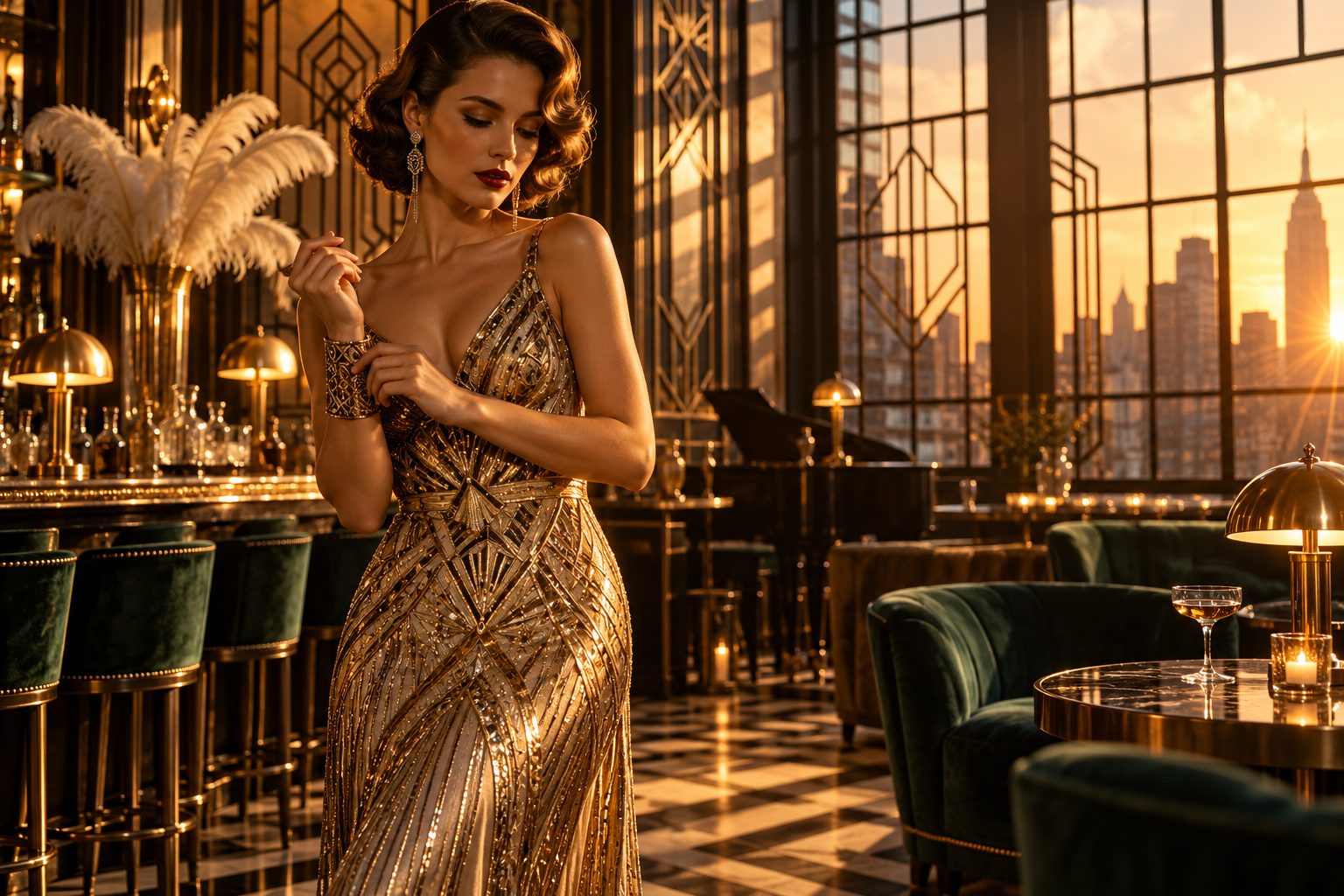
In an era where fashion continuously circles back to its past, the revival of Art Deco aesthetics in 2026 marks a significant cultural and stylistic shift. This resurgence speaks to a broader desire for opulence and intricate design, offering a bold counterpoint to the minimalist trends that have dominated recent years. The allure of Art Deco lies in its geometric precision and luxurious embellishments, qualities that today’s designers are embracing with fervour.
The Cultural Resurgence of Art Deco
The fascination with Art Deco is not merely a nostalgic glance backward but a vibrant reimagining of a past era that speaks directly to contemporary tastes. In the fall of 2026, fashion houses like Ferragamo and Lanvin have spearheaded this movement by drawing inspiration from the 1920s, a time when fashion was as much about artistry as it was about attire. Ferragamo’s Fall/Winter 2026 collection, showcased at Milan Fashion Week, is a testament to this revival. The collection draws heavily on the speakeasy style of the era, featuring nautical references and molten gold eveningwear, capturing the essence of a time when fashion was unapologetically grand.
Similarly, Lanvin’s recent collections under the artistic direction of Peter Copping have resurrected the glamour of Jeanne Lanvin’s original designs from the 1920s and 1930s. By incorporating Art Deco-inspired graphics and metallic fabrics, Copping pays homage to the intricate craftsmanship and architectural elements that define the era.
Why Art Deco Now?
There is a palpable shift in consumer preferences towards more expressive and dramatic dressing, a trend noted by fashion editors and runway observers alike. This change can be seen in a broader cultural context where individuals are seeking to make bolder personal statements in an increasingly digital and visually driven world. Art Deco’s emphasis on geometric patterns, luxurious textures, and intricate embellishments provides a rich tapestry for this expression.
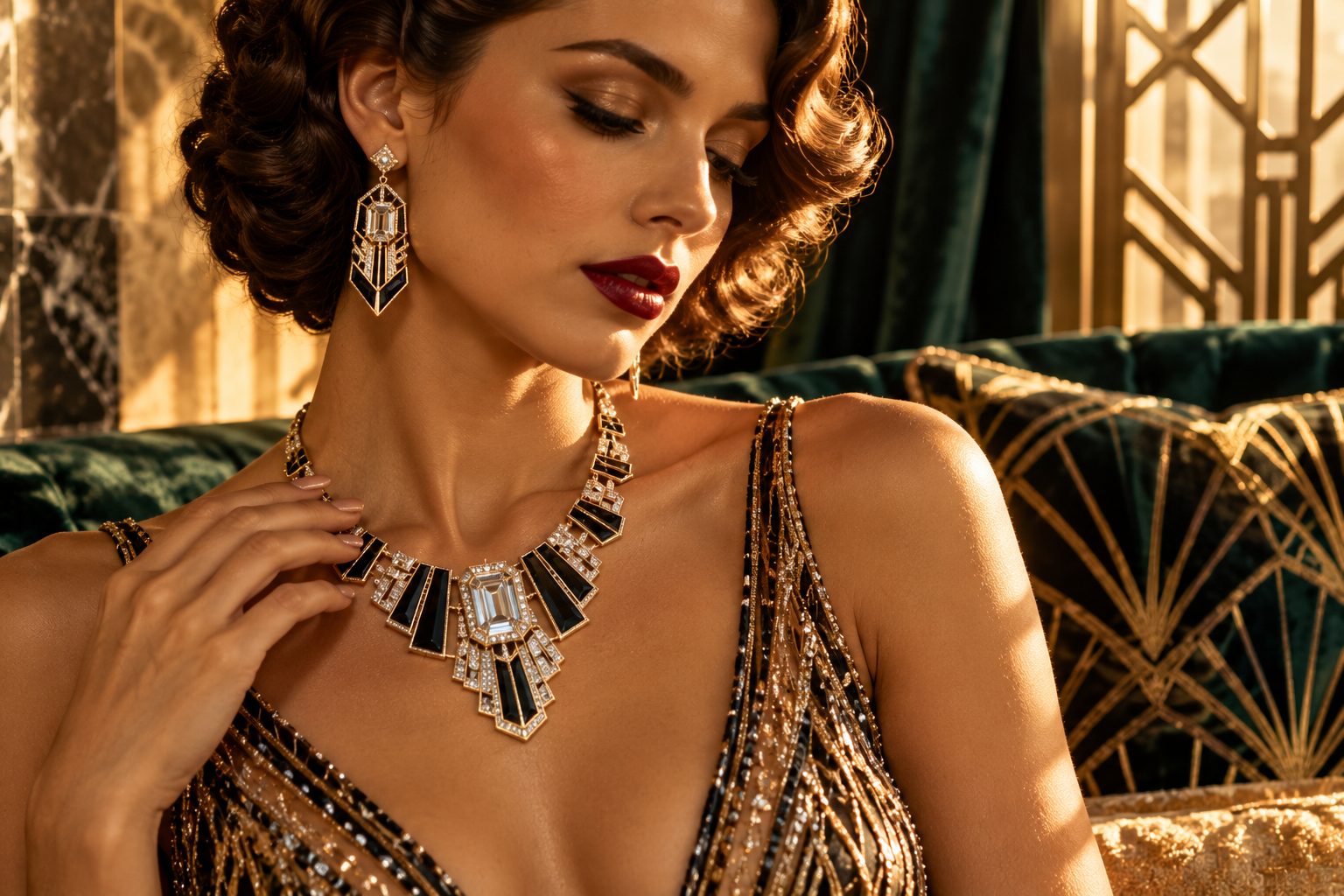
Moreover, the resurgence of Art Deco in jewellery highlights this trend. Designers like Fernando Jorge and Julia Ferentinos are crafting pieces that capture the movement’s essence through geometric structures and architectural elements. This embrace of historical motifs reimagined through a modern lens provides a fresh yet timeless appeal in contemporary fashion.
From Runway to Wardrobe: Modern Interpretations
Art Deco’s influence extends beyond the runway into the everyday fashion lexicon. The trend is visible in a variety of garments and accessories, each piece offering a nod to the past while remaining firmly grounded in the present. Tailored jackets with structured silhouettes and intricate detailing are becoming wardrobe staples, offering a sophisticated edge to both menswear and womenswear.
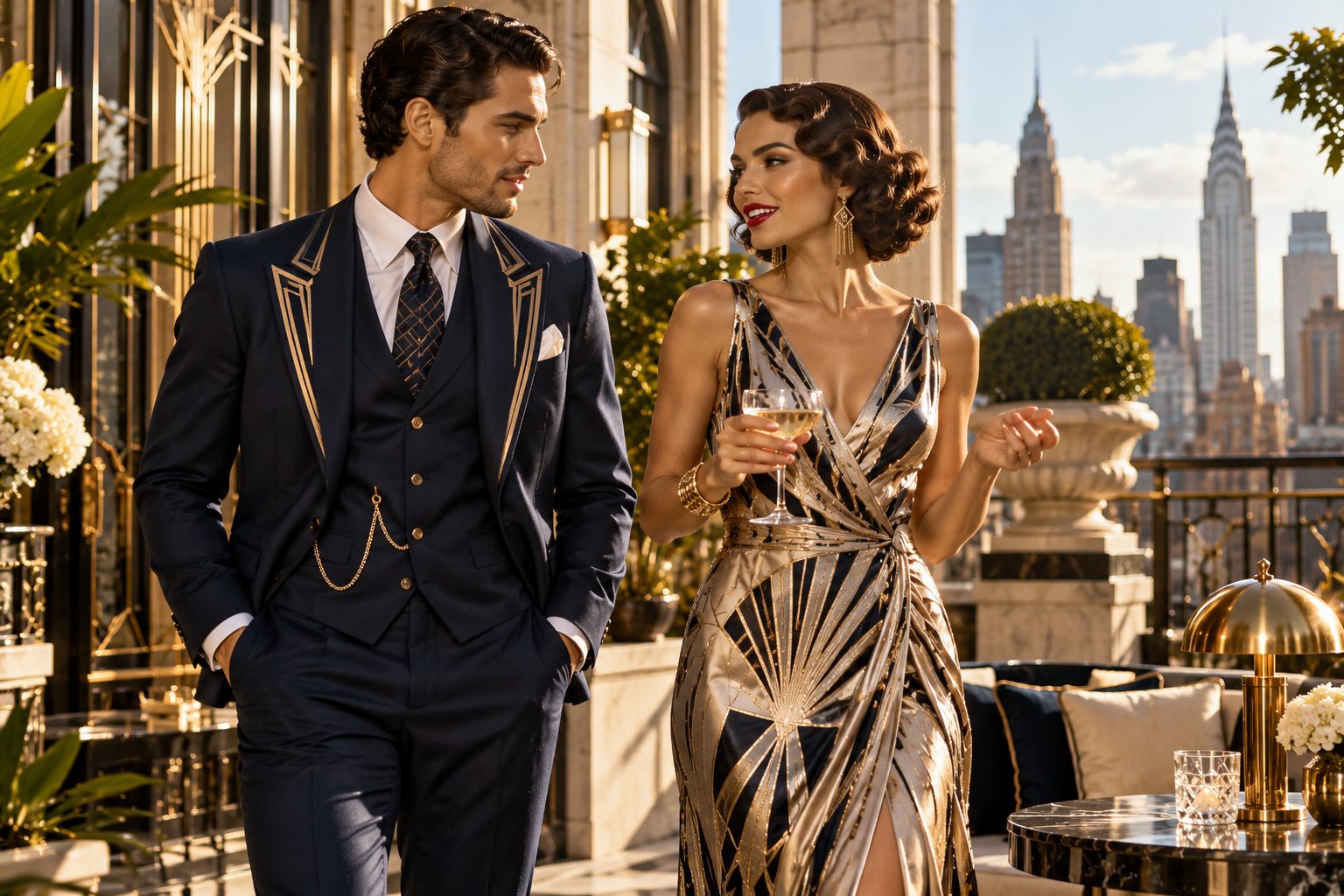
Evening gowns adorned with geometric embellishments and luxurious fabrics are making a comeback, highlighting the opulent side of the Art Deco revival. These pieces are not just for the runway; they are finding their place in modern wardrobes as consumers seek to incorporate elements of grandeur into their personal style.
Accessories, too, are experiencing this renaissance. The spring/summer 2027 runway accessories are replete with statement belts, antique-revival earrings, and maximalist handbags that feature vivid colours and fringe. These pieces serve as perfect examples of how Art Deco’s bold aesthetics are being woven into contemporary fashion.
Global Appeal with Local Flavours
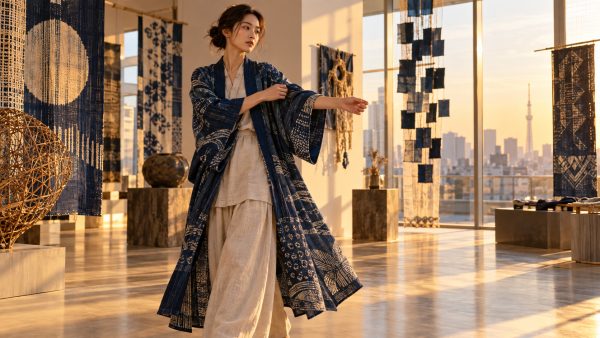
The global appeal of Art Deco is undeniable, yet its regional interpretations offer an exciting diversity. In the United States and Europe, luxury brands lead the charge, with runway shows showcasing the trend’s influences. Meanwhile, in Asia, emerging designers are blending traditional motifs with Art Deco elements, creating a unique fusion that speaks to both heritage and modernity.
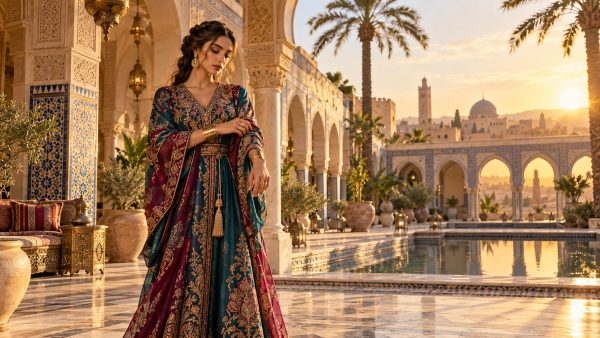
The Middle East, with its penchant for luxurious and ornate fashion, finds a natural affinity with Art Deco’s opulence. Here, the revival is embraced through collections that highlight the richness of textures and the intricate craftsmanship synonymous with the movement.
Seasonal Adaptability
One of the most intriguing aspects of the Art Deco revival is its adaptability across seasons. For fall and winter, rich fabrics such as velvet and brocade, combined with heavier embellishments, provide warmth and sophistication. These materials lend themselves beautifully to the cooler climates, where opulence is both practical and stylish.
In contrast, spring and summer collections lean towards lighter materials like silk and chiffon, with subtle geometric patterns that cater to warmer weather. These fabrics allow for the movement and lightness crucial to spring/summer fashion, while still maintaining the intricate design elements central to the Art Deco theme.
As fashion continues to evolve, the Art Deco revival proves that looking to the past can indeed shape the future. By reinterpreting the grandeur of the 1920s through a modern lens, designers are crafting pieces that not only honour a rich heritage but also resonate with a contemporary audience eager for expression and individuality. Whether through jewellery, apparel, or accessories, Art Deco serves as a reminder that fashion is as much about art and storytelling as it is about trends.
CultureArt Deco fashion1920s stylemodern fashiongeometric patternsluxurious textures
Comments
No comments yet — start the conversation.