
Middle Eastern Fashion's Global Impact
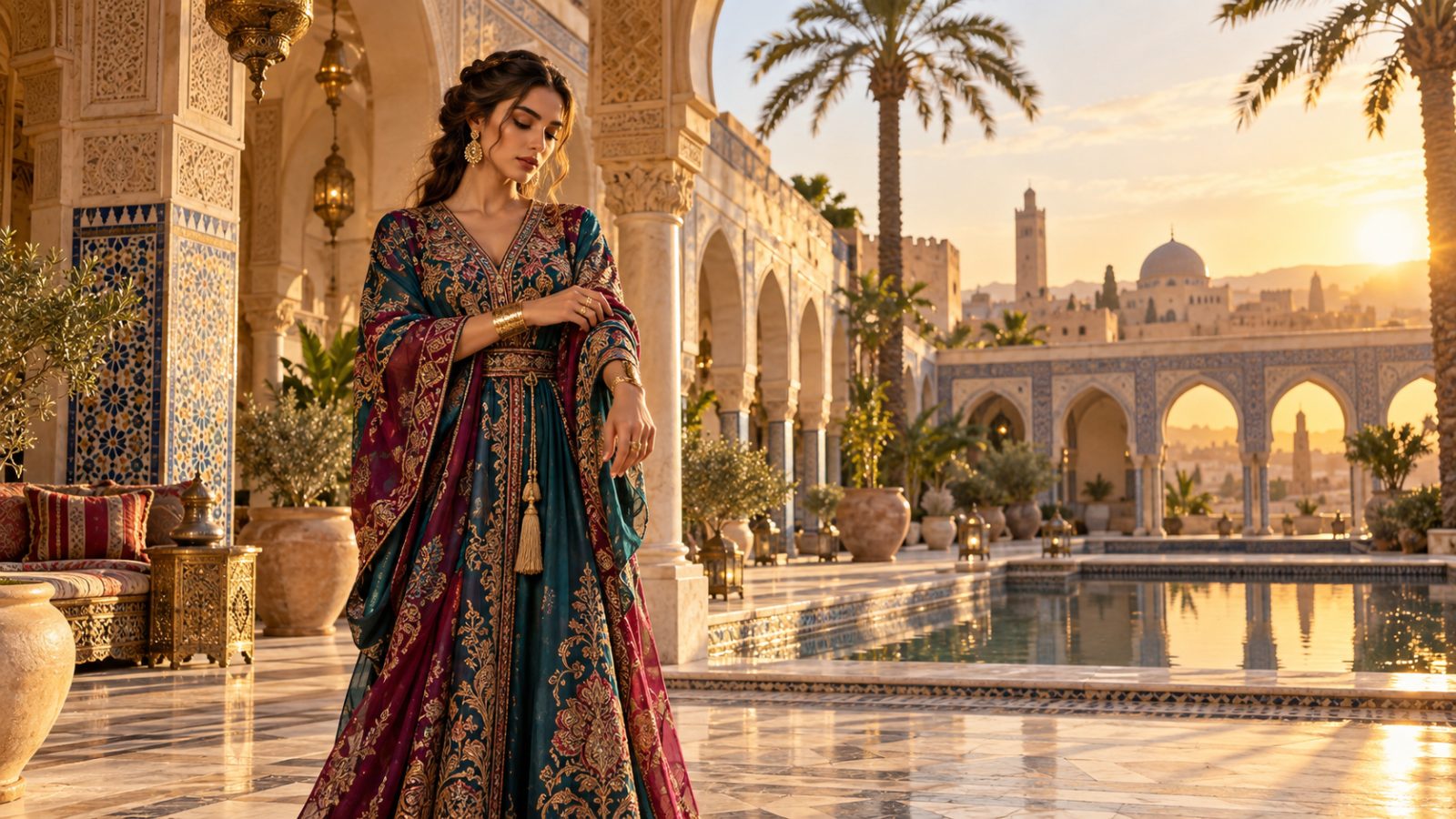
In the ever-evolving world of fashion, the Middle East is emerging as a formidable force, redefining global style norms with its distinctive blend of modesty, intricate embellishments, and rich cultural heritage. This influence is not just a passing trend; it is a deep-rooted shift that resonates with both designers and consumers worldwide.
Modesty Meets Modernity on the Global Stage
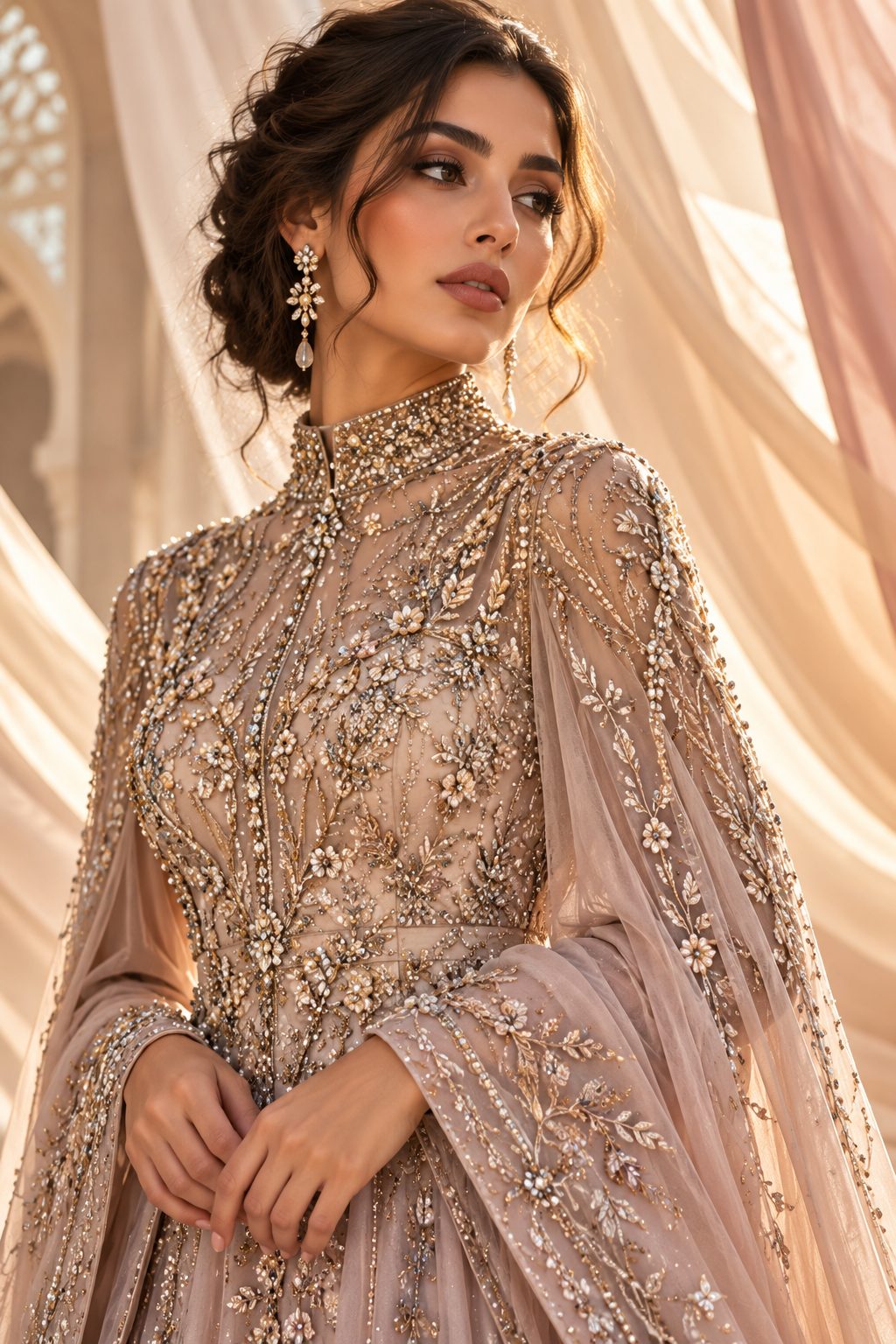
Middle Eastern fashion's embrace of modesty is reshaping how the global fashion industry perceives elegance and sophistication. Characterized by flowing silhouettes, high necklines, and long sleeves, modest fashion offers a refreshing alternative to more revealing styles. This trend is particularly evident in the works of renowned designers like Elie Saab and Zuhair Murad, whose collections seamlessly blend cultural heritage with modern luxury.
At Paris Haute Couture Week in July 2023, Lebanese designer Jad Hobeika, co-creative director of Georges Hobeika, captivated audiences with a collection that married modest silhouettes with opulent embellishments. The presence of Chinese actress Fan Bingbing on the runway underscored the universal appeal of Middle Eastern aesthetics, highlighting the global resonance of these styles.
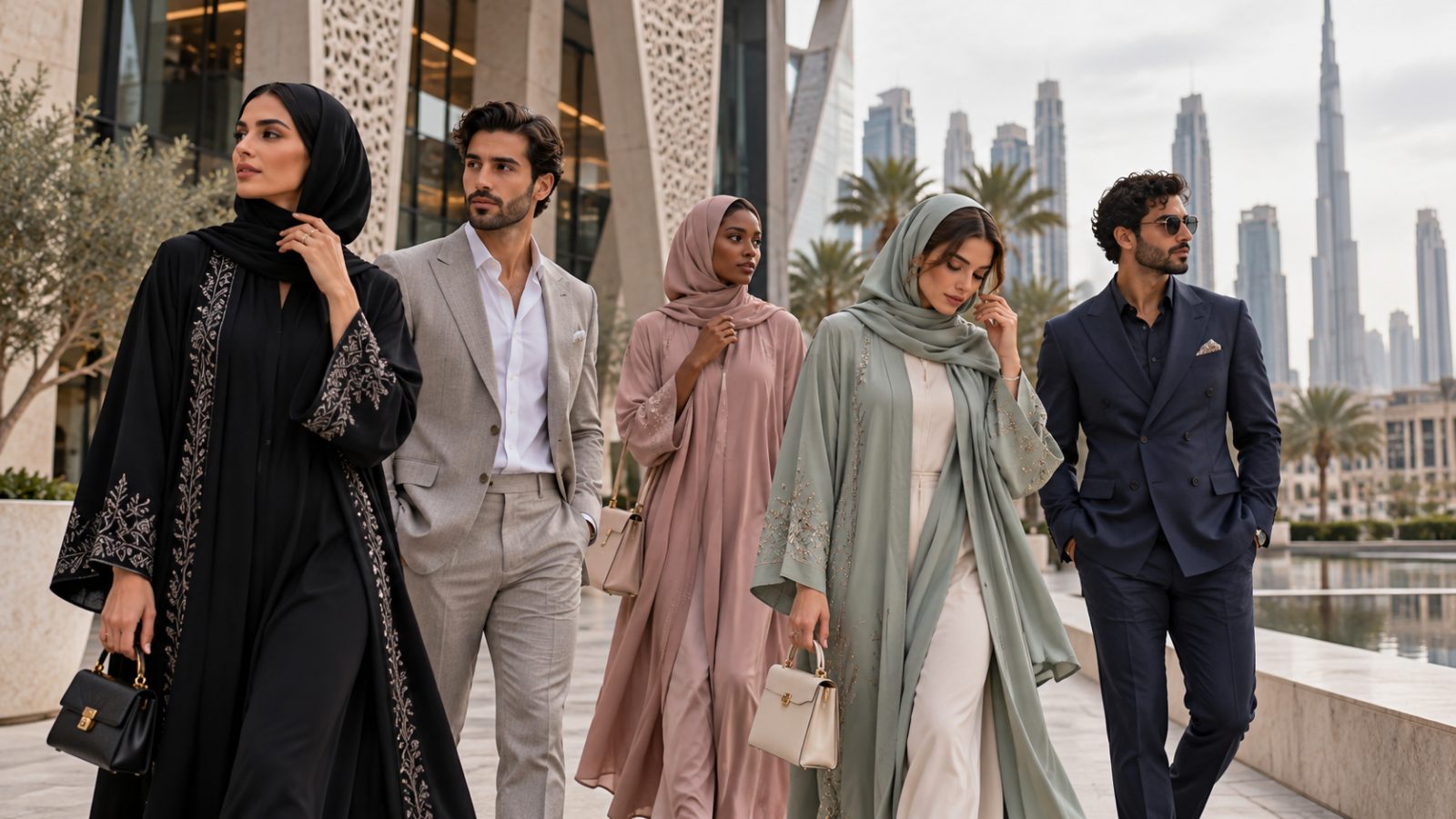
In September 2023, London Fashion Week saw Bahraini brand Noon by Noor presenting their Spring/Summer 2024 collection, further cementing the region's influence in major fashion capitals. Their designs continue to highlight the versatility and adaptability of Middle Eastern fashion, appealing to a diverse global audience through the use of layered textures and intricate details that speak to both tradition and innovation.
Traditional Garments Reimagined
The global fascination with Middle Eastern fashion also stems from its ability to reinvent traditional garments into contemporary fashion statements. The kaftan, for instance, has been reimagined with modern cuts and luxurious fabrics, transforming a classic into a must-have piece for any wardrobe. This garment, traditionally associated with leisure and comfort, now finds itself in the realm of high fashion, worn at both casual and formal occasions.
Similarly, abayas, traditionally long, flowing cloaks, have been adorned with intricate embroidery and embellishments, making them a symbol of elegance and sophistication. These garments, once exclusive to Middle Eastern wardrobes, now feature prominently on international runways and in street style around the world. The Oriental Fashion Show in Paris showcased designers from Lebanon, Morocco, and Kazakhstan, each interpreting traditional styles through a modern lens. The focus on sustainable and eco-friendly fashion further adds to the appeal, aligning with a global movement towards conscious consumerism.
A Market Beyond Heritage Luxury
As the Middle Eastern fashion market matures, consumers are increasingly exploring independent and niche brands, looking beyond the traditional heritage luxury labels. This shift presents unique opportunities for emerging designers to introduce innovative and culturally resonant pieces to a discerning clientele. In regions where climate varies greatly, the emphasis on modesty and layering in Middle Eastern fashion is particularly adaptable, offering stylish solutions for both warm and cool climates.
Dubai Fashion Week in October 2023 exemplified the region's burgeoning status as a global fashion hub. The event attracted international talents like Wes Gordon of Carolina Herrera and concluded with supermodel Naomi Campbell walking for Rizman Ruziani, highlighting Dubai's capacity to blend international and regional influences effortlessly. This melding of styles and cultures positions Dubai as a key player in the global fashion scene, drawing attention to the innovative designs emerging from the Middle East.
Influence Across Seasons and Styles
The adaptability of Middle Eastern fashion is another factor contributing to its global impact. Its emphasis on modesty and layering makes it suitable for a range of climates and seasons. Lightweight fabrics and flowing designs cater to warmer climates, while the art of layering provides versatility for cooler regions. Garments such as the kaftan and abaya, with their potential for elaborate layering and rich textures, demonstrate how traditional styles can be adapted to contemporary needs without losing their cultural essence.
This versatility is reflected in the expanding market for modest dresses, which often feature full-length hemlines, high necklines, and long sleeves, providing elegance and comfort throughout the year. Headscarves, including stylish hijabs and turbans, are also being incorporated into contemporary outfits, serving as both functional accessories and statements of style.
Conclusion: A Fusion of Tradition and Modernity
With a focus on modesty, luxury, and cultural heritage, Middle Eastern fashion is not just influencing global trends; it is reshaping the very landscape of fashion itself. As designers continue to push boundaries, the world watches with intrigue, eager to see the next chapter in this stylish saga. The fusion of traditional elements with modern aesthetics offers a rich tapestry of design that speaks to the global desire for diversity and inclusivity in fashion, making Middle Eastern fashion a pivotal force on the world stage.
CultureMiddle Eastern fashionglobal stylemodestyluxurycultural heritage
Comments
No comments yet — start the conversation.