
Style Stories · Sustainability
Fashion's Green Revolution: Adapting to Climate Change
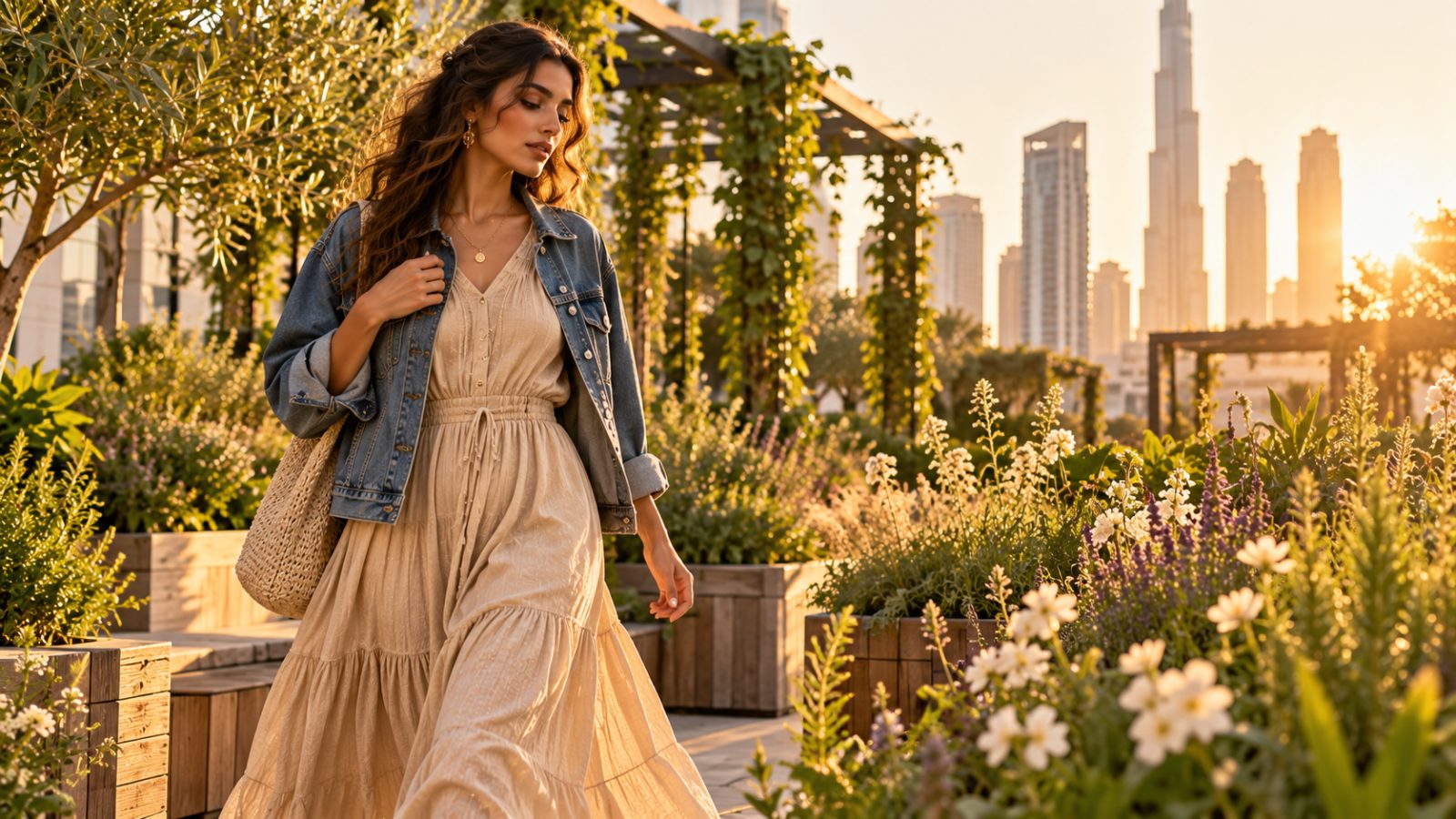
In a world increasingly defined by its environmental consciousness, the fashion industry stands at a pivotal crossroads. As climate change accelerates, the sector has begun to embrace sustainable practices and adaptive designs, not just as a trend, but as a necessary evolution. With its substantial environmental footprint, fashion is under the microscope. Yet, this pressure has sparked innovation, leading to a burgeoning movement towards more thoughtful, eco-friendly fashion.
The Environmental Imperative
The numbers are staggering. The fashion industry is responsible for approximately 10% of global carbon emissions, making it a significant contributor to climate change. Furthermore, it is the second-largest consumer of water worldwide. These statistics underscore the urgent need for change. As environmental impacts become more pronounced, consumers are demanding more from the brands they support. A 2025 survey revealed that 73% of global consumers are willing to pay more for sustainable fashion products, signalling a decisive shift in consumer behaviour.
Regulatory changes are also steering the industry towards sustainability. The European Union's "Green Deal," implemented in 2024, mandates stricter environmental standards for textile production. This legislation is a clear indication of the growing importance of sustainability in fashion, pushing brands to innovate in both design and production.
Innovative Adaptations
Designers and brands are rising to the challenge, integrating sustainable materials into their collections. Organic cotton, recycled fabrics, and plant-based dyes are becoming the new staples of eco-friendly fashion. But materials are only part of the equation. The principles of circular fashion, which focus on durability, reparability, and recyclability, are gaining traction. This philosophy champions the idea of creating garments that are built to last, thereby reducing waste and promoting a more sustainable lifecycle.
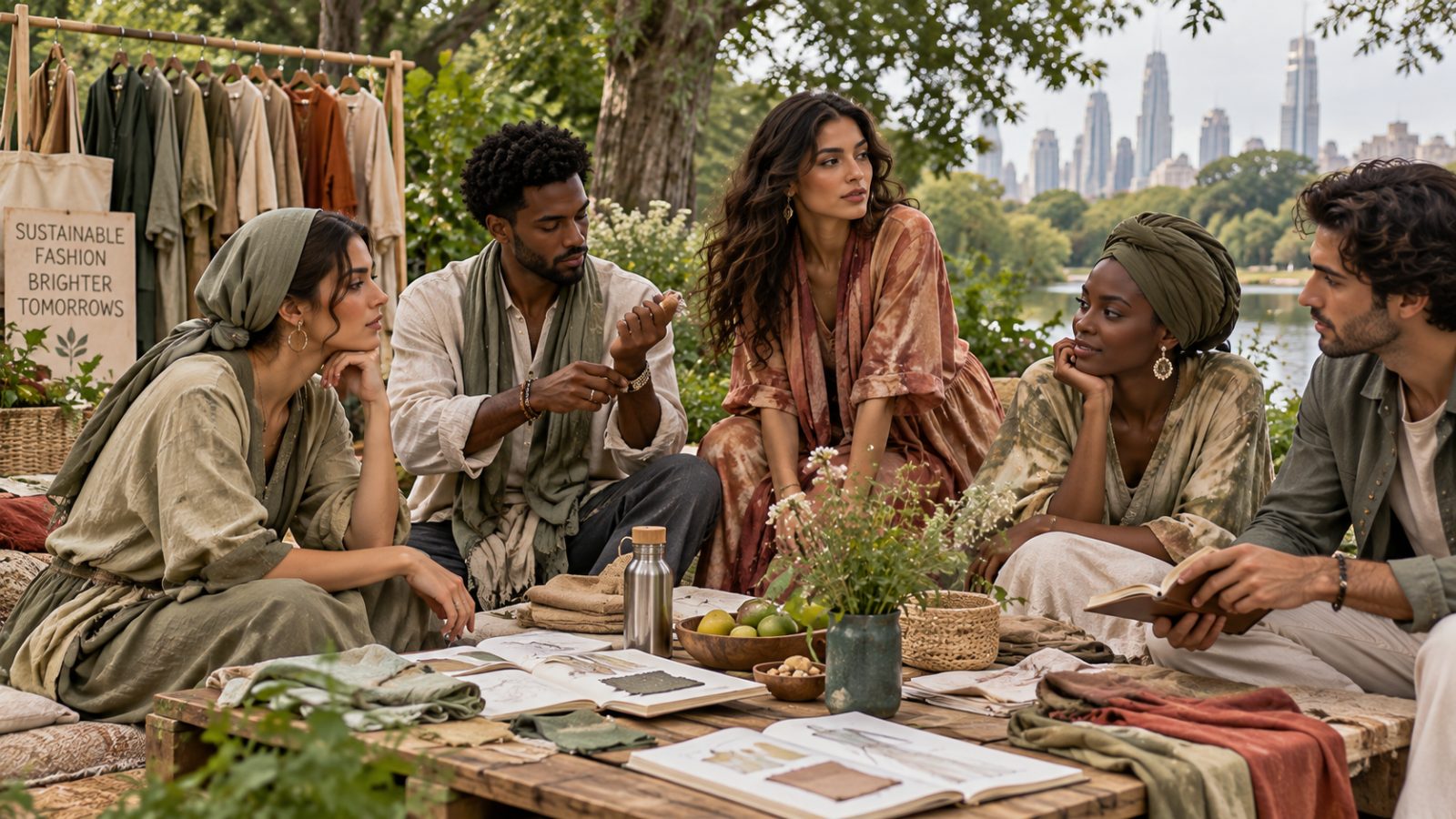
Technological innovations are playing a crucial role in this transformation. Techniques such as 3D knitting and zero-waste pattern making are being adopted to minimise waste. These methods not only reduce the environmental impact but also open up new avenues for creative expression in fashion design.
Aesthetic Evolution
Sustainable fashion is not just about the materials used but also about the design ethos. Minimalist designs, neutral colour palettes, and timeless silhouettes define this movement. The focus is on creating versatile pieces that transcend seasonal trends, encouraging consumers to invest in quality over quantity. This approach is a direct response to the fast fashion model, advocating for a more mindful consumption of clothing.
Global Perspectives
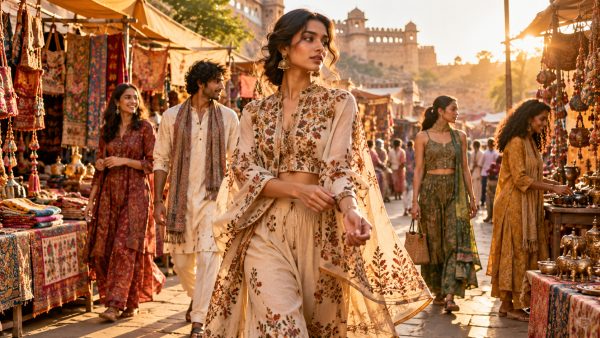
The push for sustainability in fashion is a global phenomenon, although its expression varies by region. Europe is leading the charge, driven by stringent regulations and a consumer base that increasingly values sustainability. In the United States, there is growing awareness and demand for eco-friendly products, with major retailers expanding their sustainable offerings. Meanwhile, in Asia, emerging markets are gradually embracing sustainable practices, influenced by global trends and local environmental challenges.
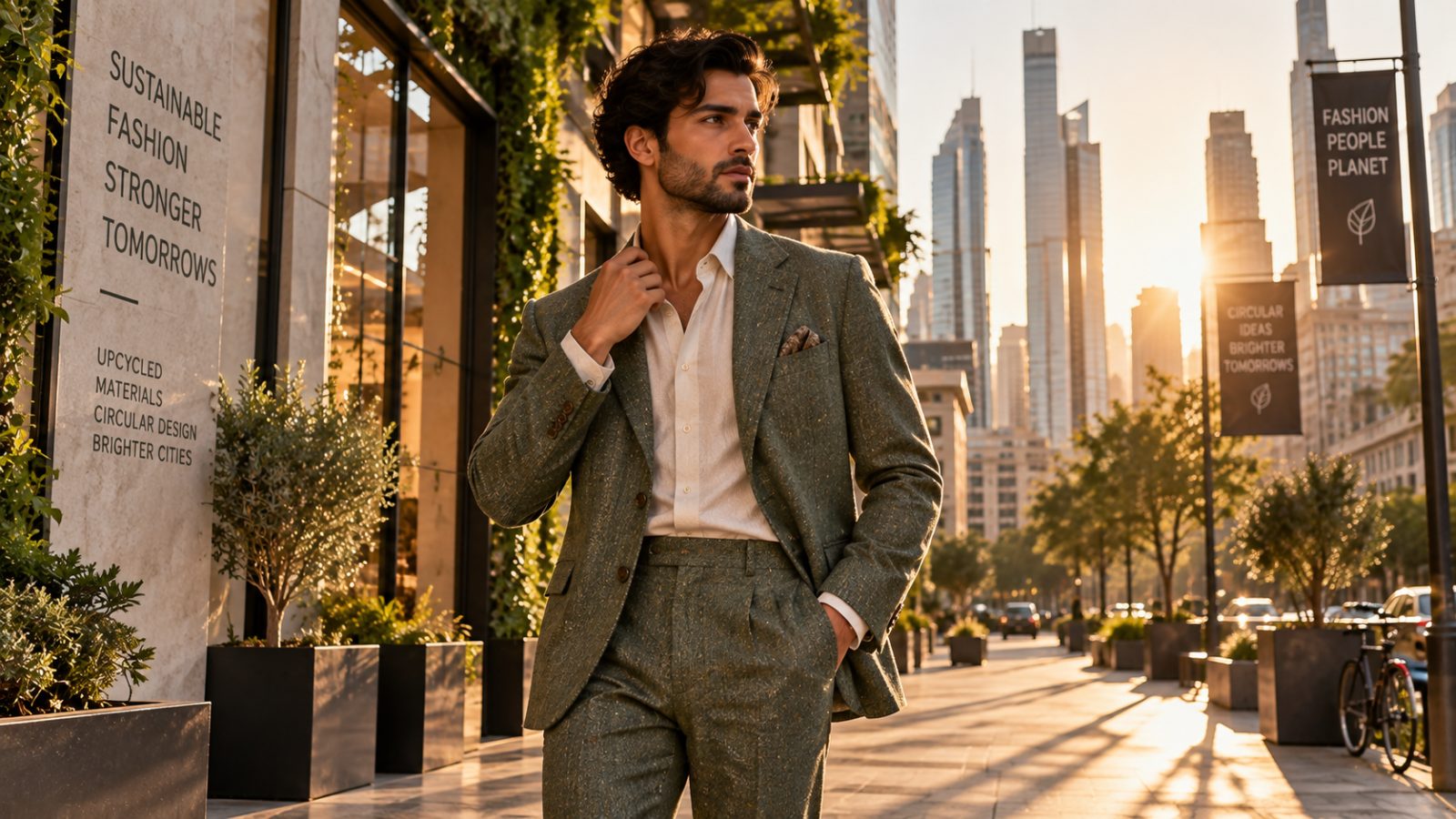
Sustainable fashion's relevance is year-round. Lightweight organic fabrics are favoured in warmer climates, while recycled wool and layered designs are popular in colder regions. This adaptability ensures that sustainable fashion meets the needs of diverse markets across different seasons.
Garments of Change
The types of garments leading the sustainable charge are varied. Recycled polyester jackets and organic cotton coats are examples of outerwear that merge style with sustainability. Knitwear, too, is undergoing a transformation, with sweaters crafted from sustainable wool or plant-based fibres. Footwear and accessories are not left behind, with shoes made from recycled materials or vegan leather, and bags and belts produced using upcycled materials.
The Future of Fashion
The intersection of fashion and sustainability is not just a trend but a necessary evolution in response to the pressing challenges posed by climate change. As the industry continues to innovate, the focus remains on creating garments that are not only stylish but also environmentally responsible. This green revolution in fashion reflects a broader cultural shift towards more sustainable living, one that values quality, durability, and respect for the planet.
As the world grapples with the realities of climate change, the fashion industry's commitment to sustainability offers a beacon of hope. By embracing innovative designs and materials, and by prioritising the planet over profit, fashion is poised to play a pivotal role in shaping a more sustainable future.
Sustainabilitysustainable fashioneco-friendly practicesclimate changesustainable designsfashion industry


Comments
No comments yet — start the conversation.