
Style Stories · Sustainability
Timeless Threads: Fashion’s Sustainable Shift
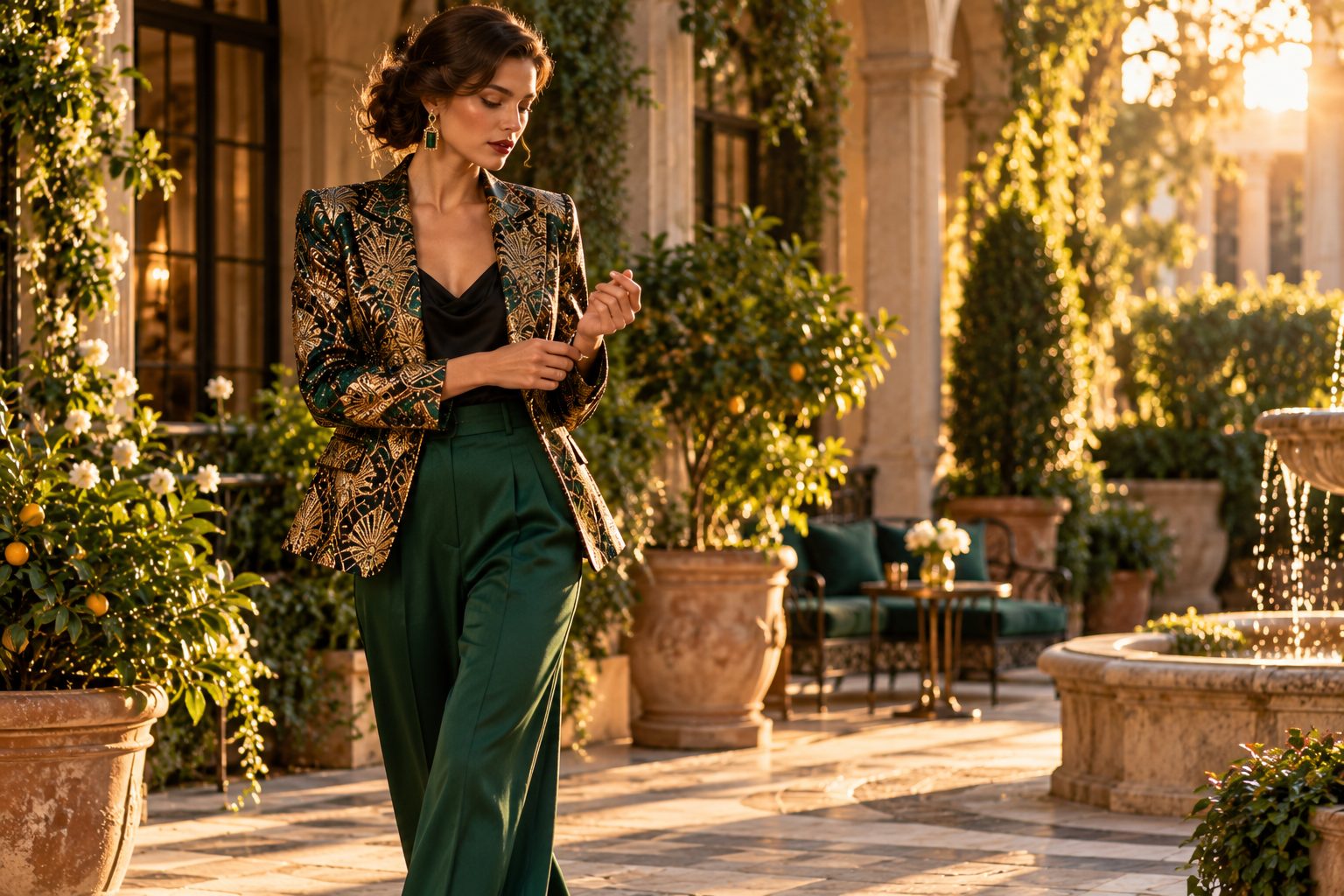
In the dynamic world of fashion, where trends often come and go with the seasons, a refreshing shift is emerging this Fall 2026. The movement towards sustainability and timelessness is transforming consumer behavior, with individuals increasingly investing in garments that transcend fleeting trends. These are not merely clothes; they are modern heirlooms, designed to be cherished and passed down through generations. This shift is not only a response to the growing climate consciousness but also a celebration of craftsmanship and enduring style.
Opulent Textiles and Modern Heirlooms
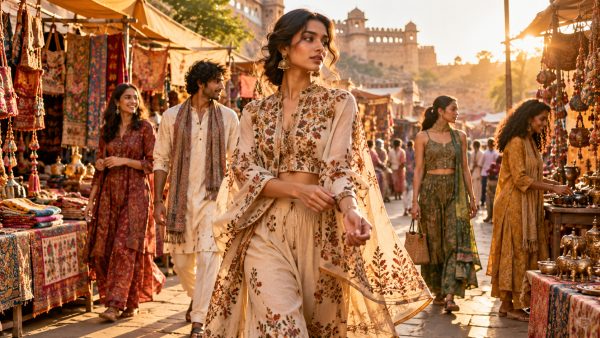
Central to this movement is the reintroduction of opulent textiles into the fashion lexicon. Designers such as Ralph Lauren and Dries Van Noten are leading the charge, bringing luxurious fabrics like floral silk faille and tapestry-print jacquard to the forefront of their Fall 2026 collections. These materials, known for their quality and intricate designs, embody the essence of modern heirlooms. They speak to a cultural shift that values garments not just for their visual appeal but for their potential to stand the test of time.
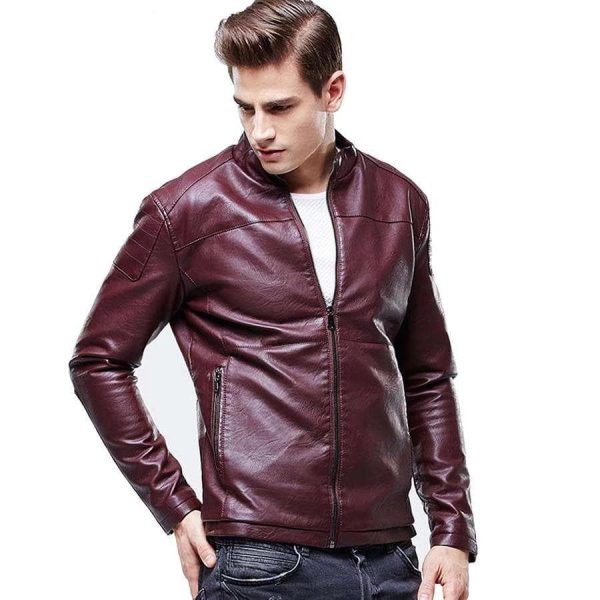
The concept of modern heirlooms extends beyond fabric choices to the garments themselves. Tailored blazers, suede jackets, and cable-knit sweaters are making a strong statement this season. These pieces, with their classic silhouettes and rich textures, are crafted to blend seamlessly into any wardrobe, offering versatility and elegance. The idea is simple yet profound: invest in clothing that can be styled in myriad ways, ensuring longevity in both form and function.
Sustainable Practices in Fashion
The fashion industry has long been scrutinized for its environmental impact. However, 2026 marks a significant turning point, with designers and brands embracing sustainability at their core. Upcycled and recycled materials are no longer niche but mainstream, driving a new era of conscious consumerism. This ethos is reflected in recent collaborations between high-profile designers and accessible brands. For instance, JW Anderson’s partnership with Uniqlo has made timeless theatre and academia-inspired garments more attainable, while the Gap x Victoria Beckham collection highlights texture and refined proportions in an affordable package.
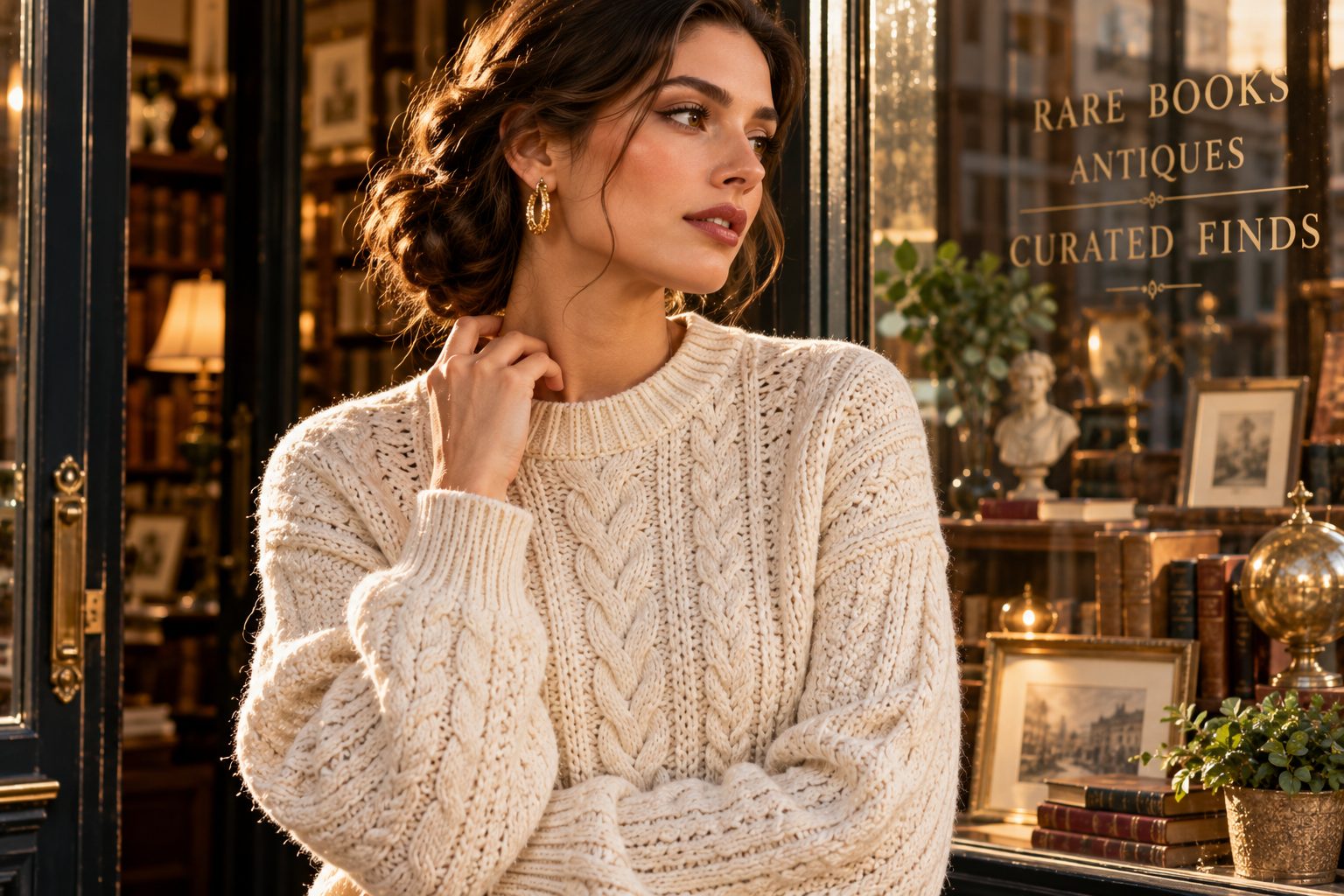
These collaborations illustrate a broader trend of making high-quality, sustainable fashion accessible to a wider audience. By focusing on durability and craftsmanship, these collections encourage consumers to view their wardrobes as evolving collections of enduring pieces, rather than disposable items. This shift in mindset is pivotal, fostering a culture of sustainability and appreciation for the art of garment-making.
Incorporating Timeless Pieces into Everyday Wear
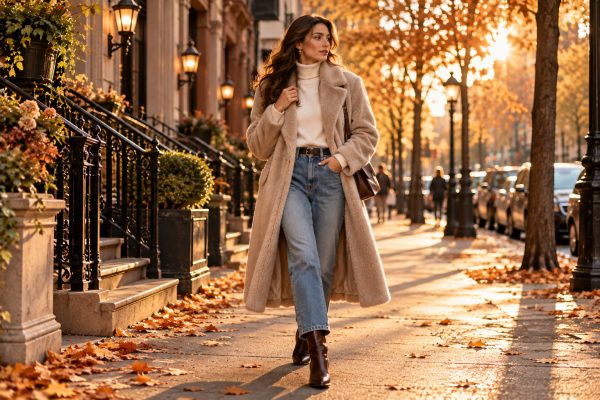
As the cooler temperatures of Fall 2026 settle in the Northern Hemisphere, the timing is perfect for consumers to invest in durable outerwear and layered garments. Tailored blazers, suede jackets, and structured handbags become key players in crafting a polished yet practical ensemble. Wide-leg pants and denim offer comfort and style, while loafers and riding boots complete the look with a touch of classic elegance.
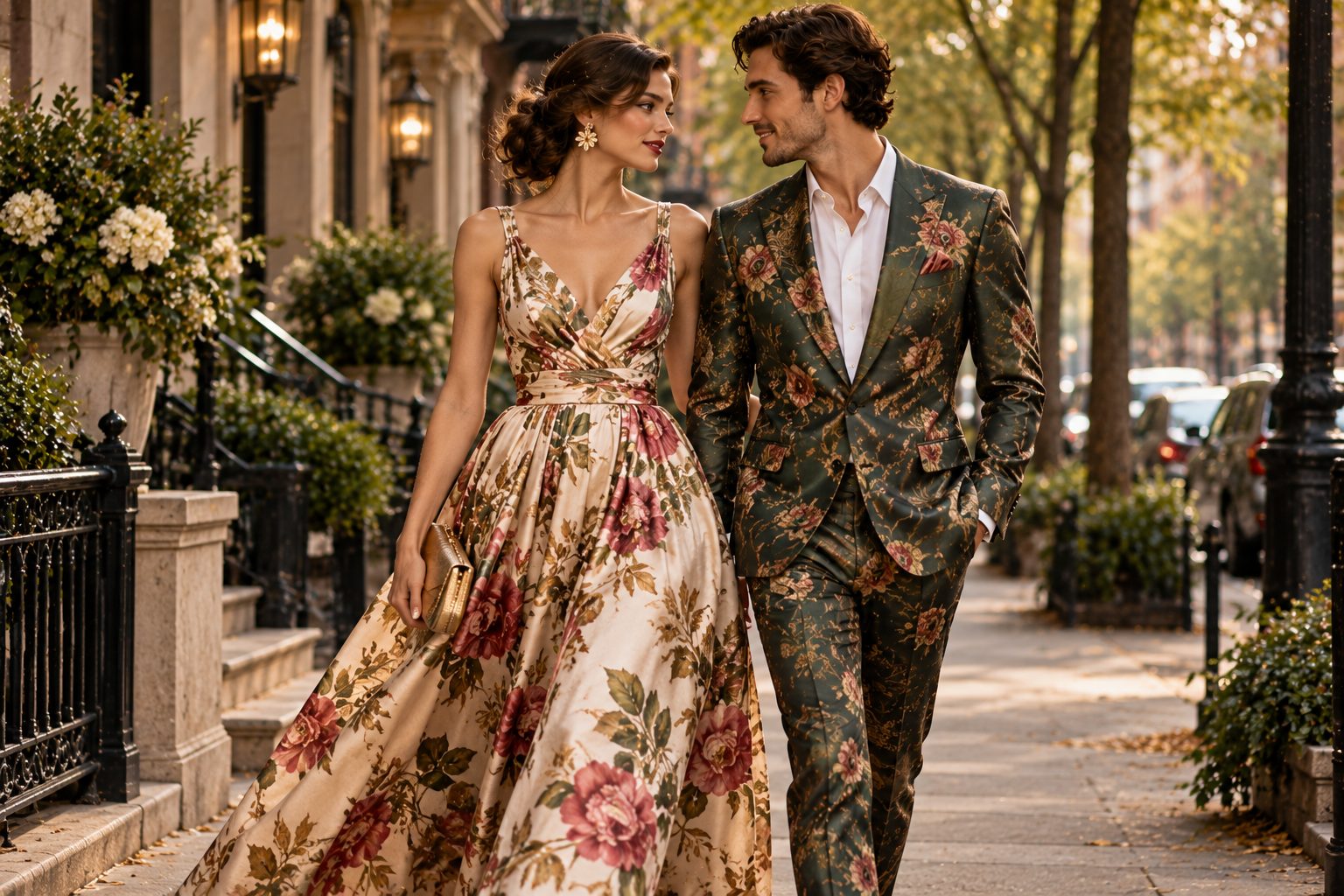
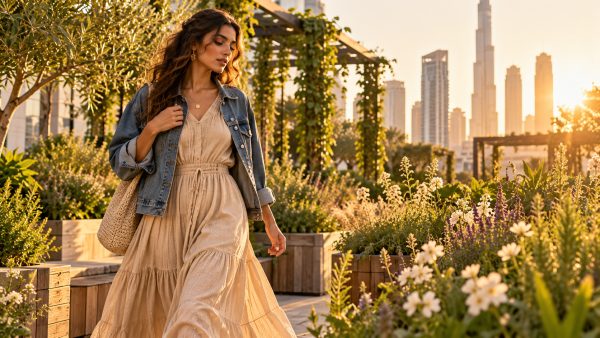
For those in the Southern Hemisphere, where seasonal shifts might differ, the emphasis on timeless pieces transcends geographical boundaries. Investing in versatile items suitable for various climates ensures that wardrobes are not only stylish but adaptable. This approach to fashion echoes a global movement towards more conscious consumerism, where the value of a garment is measured by its versatility and longevity.
The Broader Cultural Shift
This trend towards timelessness is not happening in isolation. It reflects a broader cultural shift where consumers are becoming more environmentally conscious and are seeking ways to make a positive impact through their purchasing decisions. Fashion, often seen as a reflection of the times, is embracing this change by focusing on long-lasting quality over ephemeral trends. The emphasis is on creating garments that tell a story, that connect generations, and that transcend the idea of fashion as a disposable commodity.
By championing sustainability and timeless design, the industry is paving the way for a future where fashion is not just about personal expression but also about making mindful choices that resonate across generations. This shift is encouraging a new era of fashion where the consumer's role is as much about stewardship as it is about style.
Sustainabilitysustainable fashiontimeless stylecraftsmanshipconsumer behaviorfashion industry
Comments
No comments yet — start the conversation.