
Indian Craftsmanship: A Global Fashion Revolution
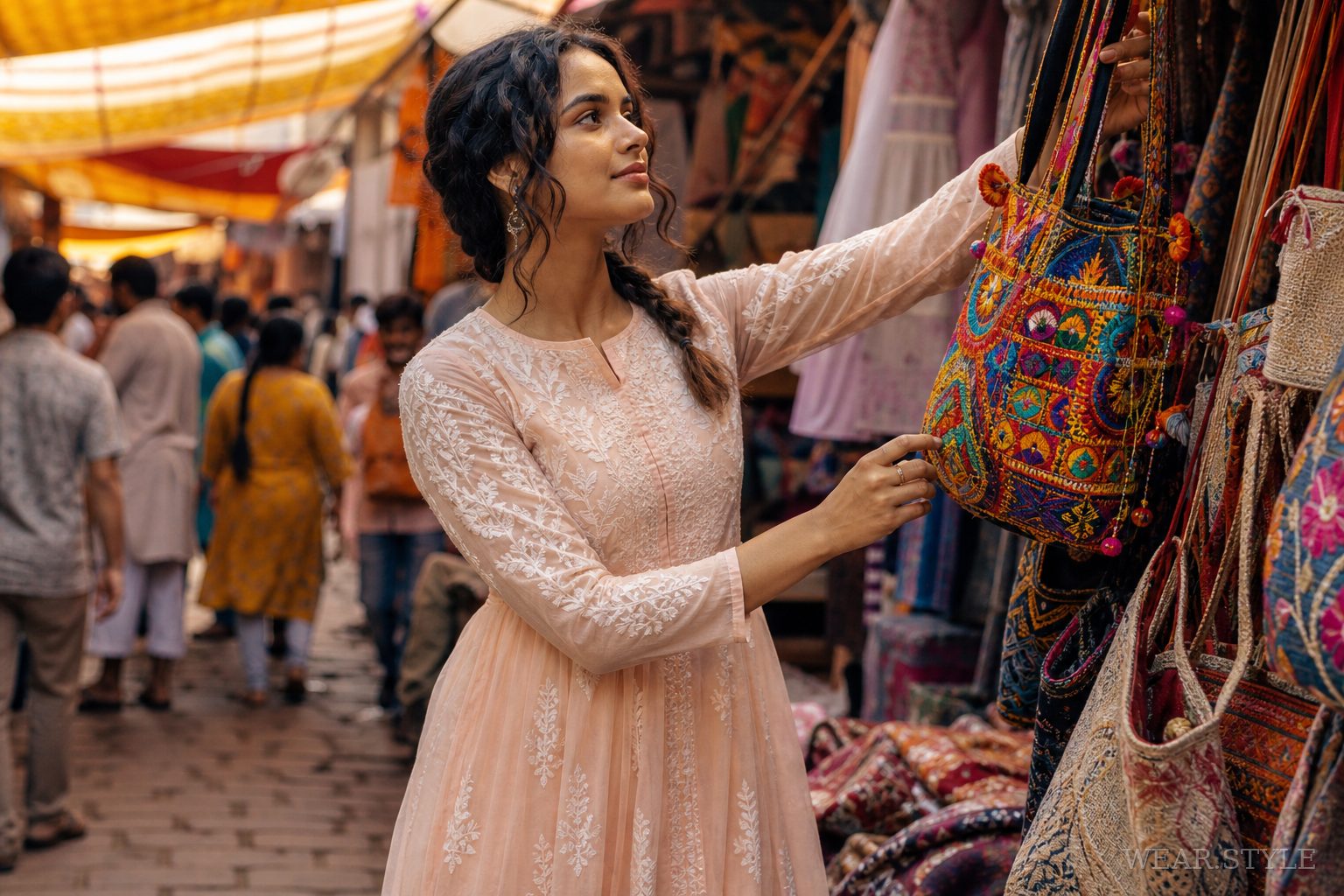
The global fashion industry is undergoing a profound transformation, characterized by a revived appreciation for artisanal craftsmanship and cultural heritage. At the forefront of this movement is Indian craftsmanship, capturing the attention of international designers and consumers with its unique blend of tradition and innovation. With a history as rich and diverse as the subcontinent itself, Indian textiles and techniques are redefining contemporary fashion.
Traditional Techniques Meet Contemporary Design
In recent years, the fashion world has witnessed a departure from mass-produced uniformity towards garments that tell a story. This shift is driven by a rising demand for individuality and expressiveness in personal style. Indian textiles, with their distinctive patterns and complex techniques, are perfectly positioned to meet this demand. Designers globally are incorporating traditional Indian techniques such as chikankari, kantha, and phulkari into their collections. These embroidery styles, each with its own cultural significance and regional roots, add layers of depth and authenticity to modern garments.
Lightweight Indian cottons are being transformed into flowy dresses that drape beautifully, while structured blazers are embellished with intricate embroideries, creating a striking juxtaposition of styles. This fusion is not merely aesthetic; it represents a broader cultural dialogue. By blending traditional textiles with contemporary silhouettes, designers are not only preserving age-old crafts but also introducing them to new audiences. This collaborative spirit between designers and artisans is crucial in ensuring the survival and evolution of these crafts in a rapidly changing world.
Global Appeal and Market Dynamics
The allure of Indian craftsmanship extends far beyond its native borders. In the United States and Europe, there is a growing appetite for unique, handcrafted pieces that offer a sense of individuality and authenticity. Consumers in these markets are increasingly drawn to garments that stand out and reflect a deeper connection to cultural narratives. The tactile richness of Indian textiles, combined with their intricate details, provides a meaningful alternative to the anonymity of mass-produced fashion.
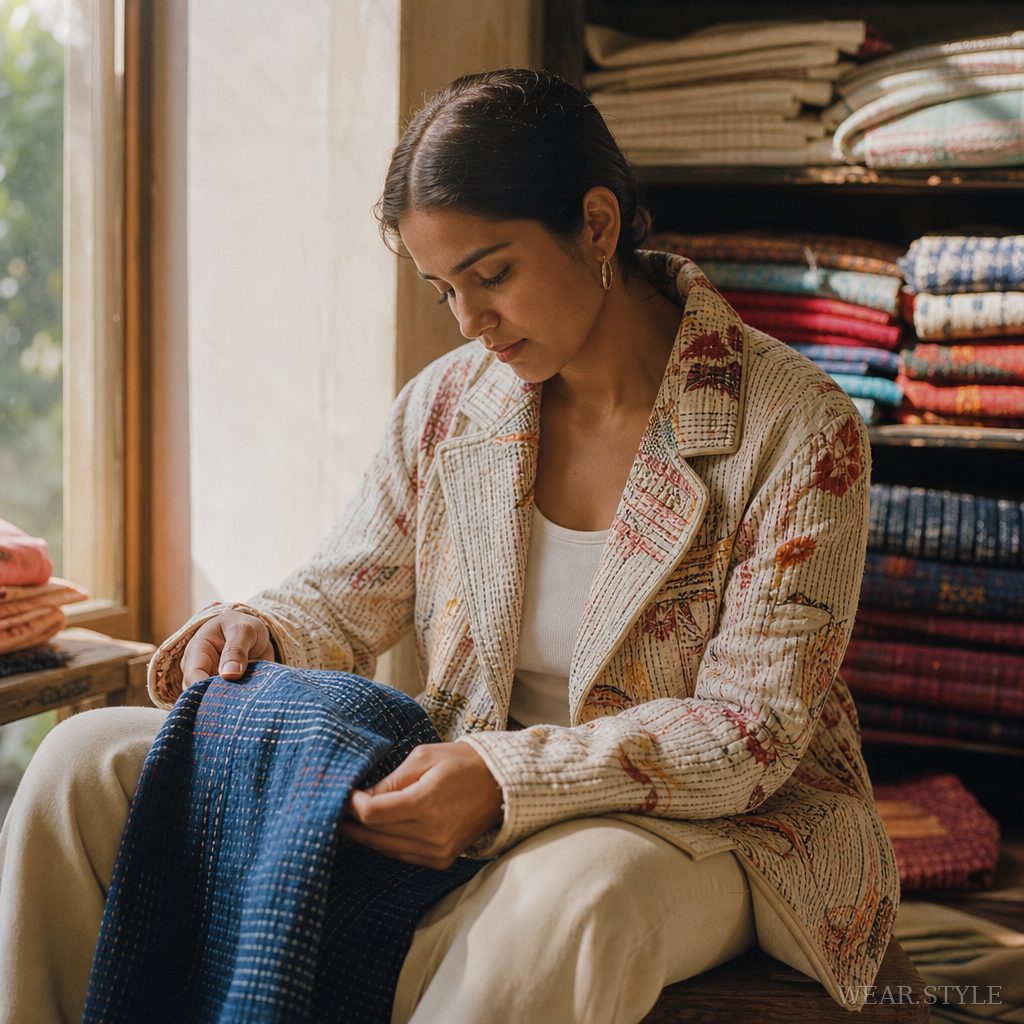
In India, a burgeoning appreciation for traditional crafts is evident among a new generation of designers who are embracing regional textiles in their work. This revival is not just about heritage; it aligns with the global shift towards sustainability and the responsible use of resources. Indian textiles, with their emphasis on handwork and natural materials, resonate with the eco-conscious ethos of contemporary fashion. The Middle Eastern markets, known for their appreciation of luxurious fabrics and intricate designs, are also embracing Indian craftsmanship. The region's consumers value the detailed artistry and cultural richness that these textiles bring, making them a popular choice for both traditional and contemporary occasions.
The Versatility of Indian Textiles
One of the key strengths of Indian textiles is their versatility, which makes them suitable for a variety of climates and seasons. Lightweight cottons and silks are ideal for warmer weather, offering breathability and comfort. In contrast, heavier fabrics such as brocades and velvets provide the warmth and luxury needed for cooler climates. This adaptability allows these textiles to transcend geographical and seasonal boundaries, making them a staple in global wardrobes.
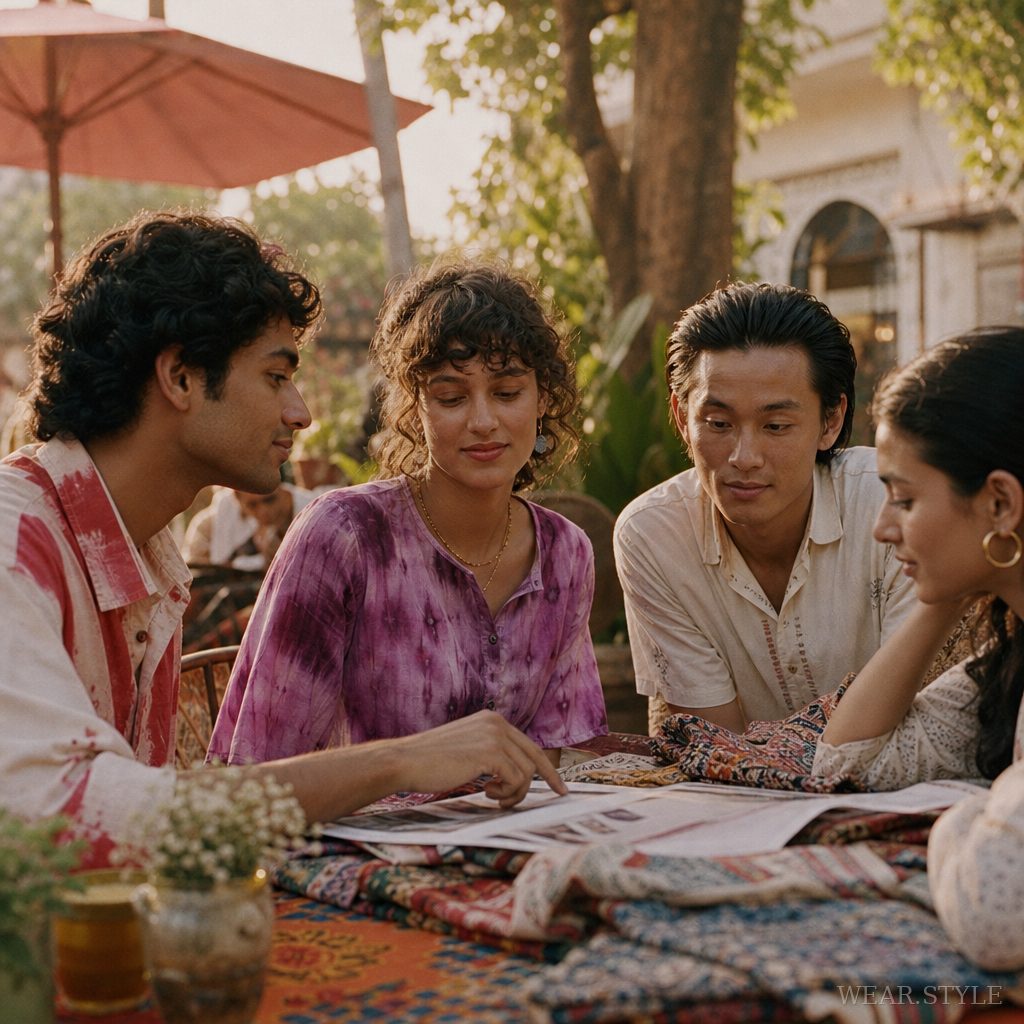
Garments crafted from these textiles are not only beautiful but also functional. From wide-legged trousers featuring bold Indian prints to oversized shirts that incorporate traditional weaves, these pieces are designed to fit seamlessly into any wardrobe. The adaptability of these textiles allows them to be dressed up or down, making them suitable for both casual and formal occasions. As the fashion industry continues to evolve, the influence of Indian craftsmanship is set to grow even stronger. By championing these traditional techniques, designers are not only creating stunning garments but also contributing to a more sustainable and culturally enriched fashion landscape.
The Cultural and Sustainable Impact
The resurgence of Indian craftsmanship is not just a trend; it is a movement reshaping the global fashion narrative. The integration of traditional techniques into modern fashion highlights the cultural significance and sustainability of these crafts. In a world increasingly aware of its environmental footprint, the emphasis on handcrafting and natural materials presents a compelling case for the broader adoption of artisanal methods in fashion. This movement underscores a shift towards valuing artisanal quality, cultural heritage, and sustainable practices.
In conclusion, Indian craftsmanship is poised to continue inspiring and transforming the world of fashion for years to come. As designers and consumers alike seek out garments that offer authenticity and artistic value, the rich tapestry of Indian textiles provides a powerful answer. With its unique blend of heritage and innovation, Indian craftsmanship promises to play a pivotal role in shaping the future of fashion.
CultureIndian craftsmanshipglobal fashionartisanal qualitysustainabilitycultural heritage




Comments
No comments yet — start the conversation.