
Heritage Textiles in Modern Fashion
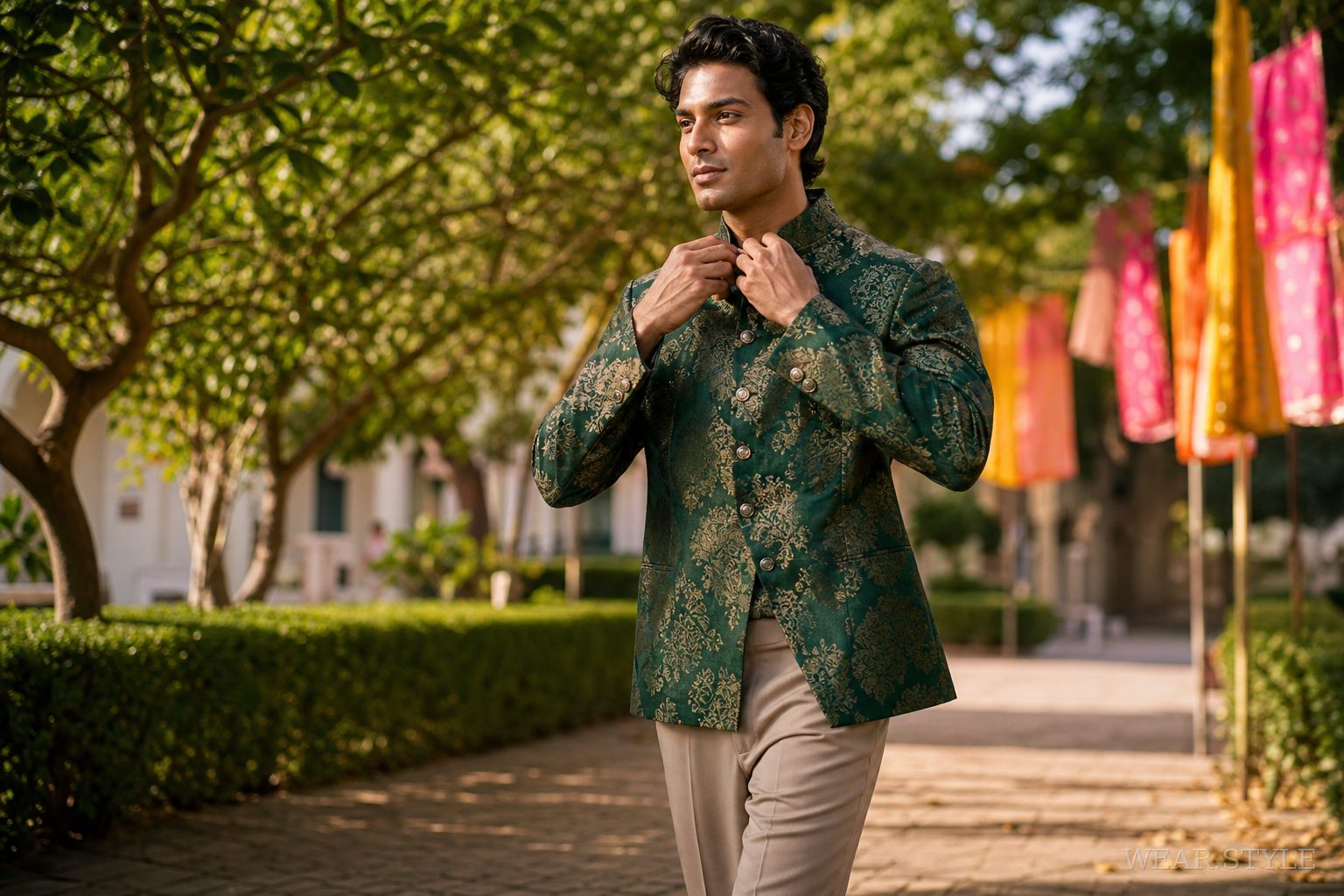
The world of fashion is experiencing a renaissance, characterized by a compelling blend of heritage and modernity. Leading this movement are Indian designers, who are artfully merging traditional textiles with contemporary silhouettes. This trend not only pays homage to India’s rich craftsmanship but also aligns with the global hunger for individuality and expressive dressing, making it a focal point in the fashion world.
A Fusion of Tradition and Modernity
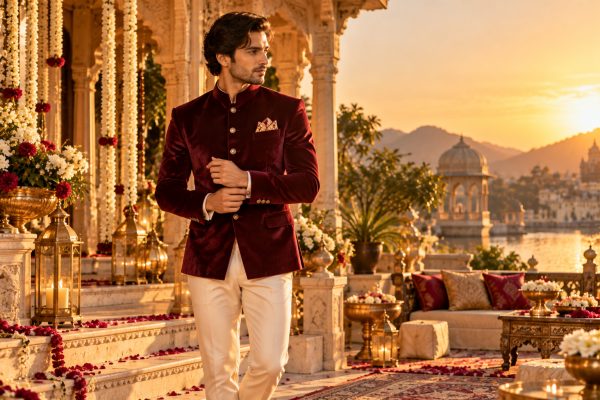
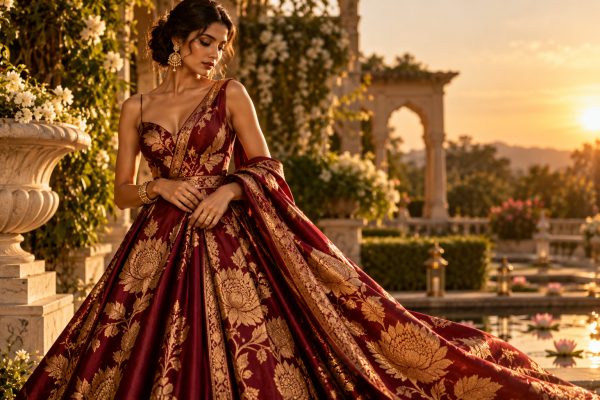
As the festive season transitions into wedding celebrations, the demand for clothing that bridges the past and present has surged. Designers are enthusiastically incorporating traditional Indian textiles such as Banarasi silk and Chanderi into modern fashion. These garments are not only visually captivating but also culturally significant, offering a unique blend that appeals to both domestic and international markets.
One recent Mumbai runway season made the case plainly: collections married Indian craftsmanship with Italian influences, laying kantha embroidery and shibori dyeing over contemporary silhouettes. The result shows how traditional techniques can be adapted to fit modern wardrobes, appealing to a diverse, global audience.
The same fusion is travelling well beyond India. Upcycled denim is being cut into avant-garde silhouettes and enriched with traditional Indian embroidery, a pairing that preserves cultural heritage while meeting the contemporary emphasis on sustainability in fashion.
The Craft Behind the Cloth
At the heart of this trend is the artisan’s touch, the human hand that weaves stories into the fabric. Indian designers are revitalizing traditional crafts, ensuring each piece tells a story of its origin. Banarasi brocade and Chanderi fabrics are being reimagined into modern menswear, featuring sheer shirts with delicate embroidery and dhoti-inspired drapes. These designs respect the past while nodding to the future.
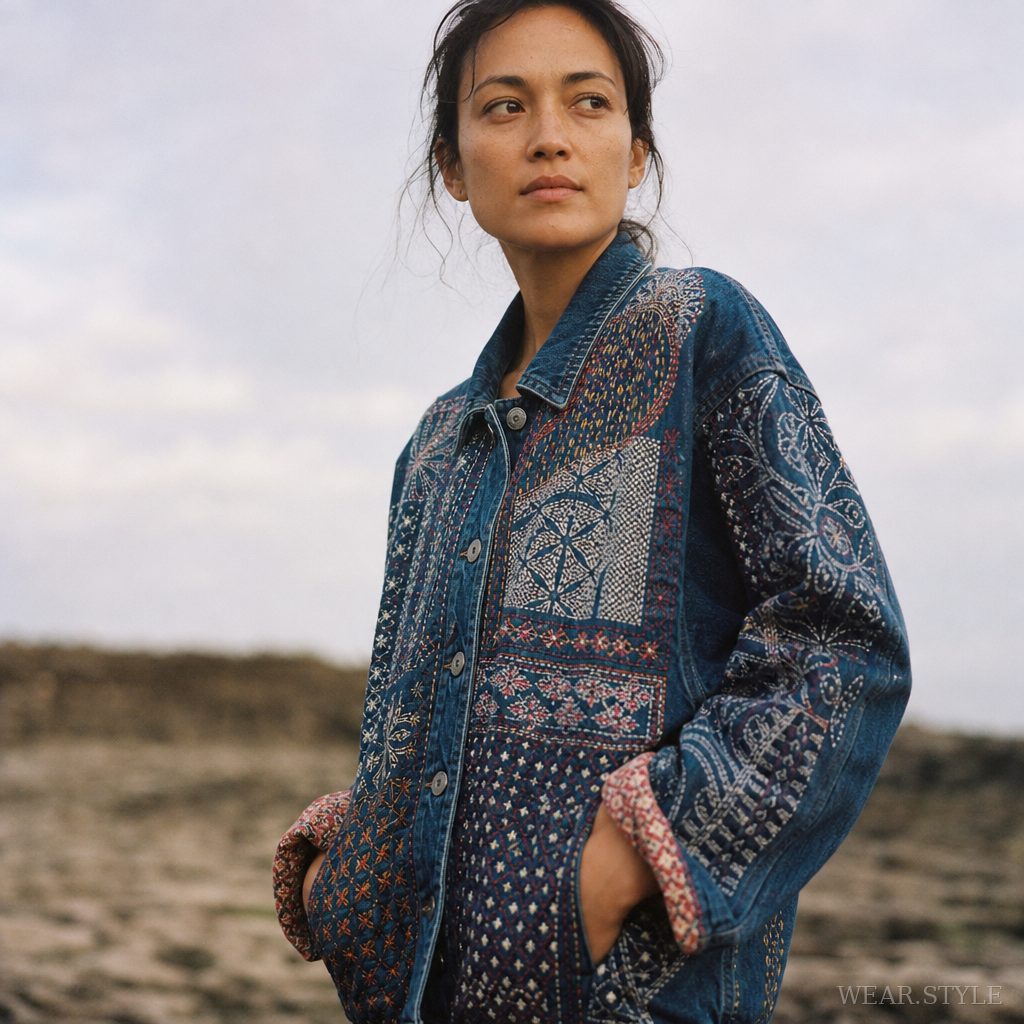
The appeal of these garments extends beyond their aesthetic beauty. They offer a tactile connection to history, a testament to the skilled artisans who continue to practice age-old techniques. For international consumers, such pieces offer a unique narrative, a slice of culture that transcends borders and time.
The modern interpretation of these textiles is seen in garments like embroidered jackets, handwoven sarees, and pleated separates. These designs are not only appealing due to their beauty but also for their versatility, making them suitable for various occasions, from formal events to casual outings.
Global Appeal and Market Potential
Internationally, the appetite for authentic and unique fashion pieces is growing. Consumers are increasingly drawn to clothing that tells a story, standing out in a world of mass production. India’s craftsmanship fits perfectly into this narrative, offering garments that are as individual as they are timeless.
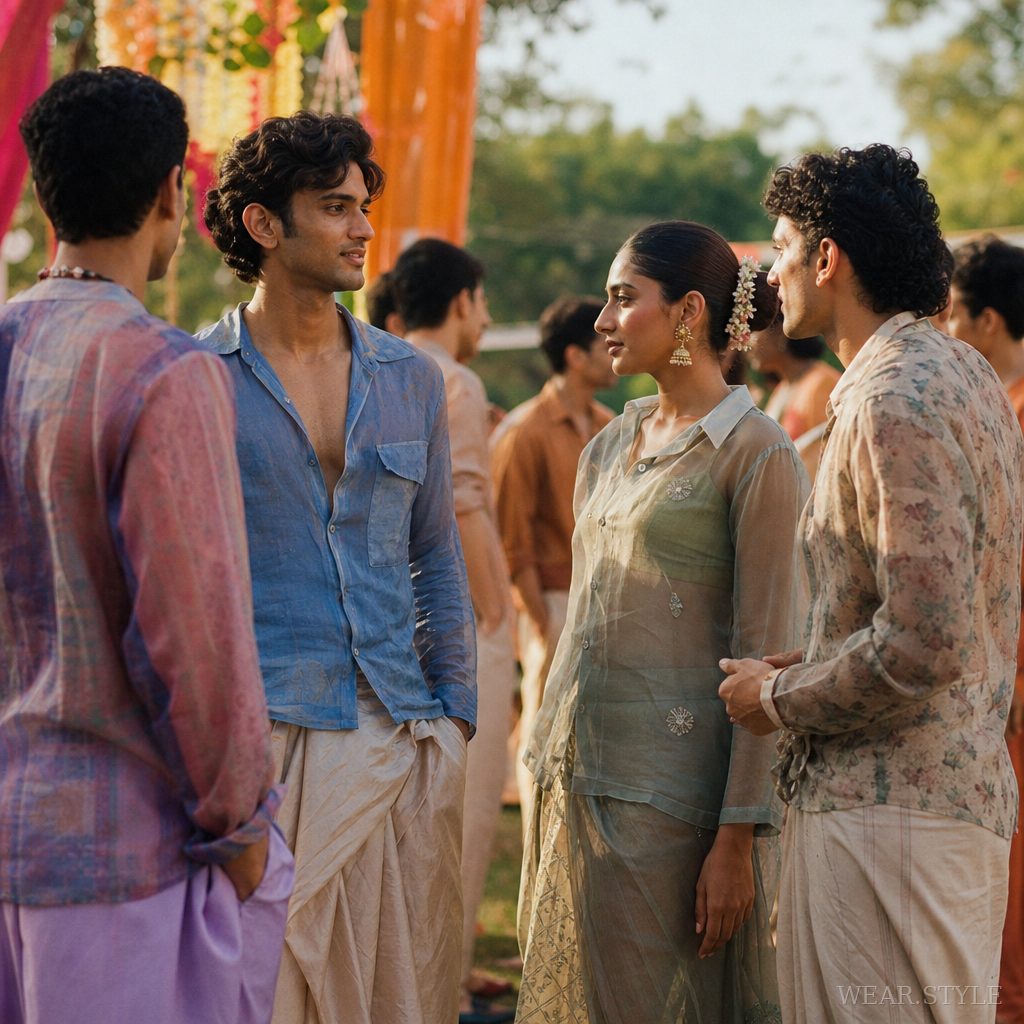
These crafts are finding a ready audience in European markets, where there is a keen appreciation for the intricate detailing and cultural depth these textiles bring. Pieces that borrow from Italian architecture and the Mediterranean lifestyle show how Indian heritage can be woven seamlessly into international contexts.
As the seasons change, the relevance of these textiles becomes even more pronounced. In colder climates, the rich, layered nature of traditional fabrics offers warmth and opulence. Conversely, lighter interpretations using breathable fabrics like cotton cater to warmer weather, ensuring these garments remain both practical and stylish year-round.
Versatility and Seasonal Adaptation
The transition from festive celebrations to winter weddings heightens the demand for rich, layered, and versatile clothing. Traditional textiles offer both warmth and opulence, making them suitable for colder climates. In the Southern Hemisphere, lighter interpretations using breathable fabrics like cotton with traditional prints cater to warmer weather while maintaining cultural significance.
Garments such as embroidered jackets, handwoven sarees, pleated separates, sheer shirts with traditional embroidery, dhoti-inspired drapes, and upcycled denim pieces with traditional motifs exemplify this trend. These designs not only showcase the beauty of heritage crafts but also their adaptability to modern fashion needs.
The trend of integrating traditional textiles into modern fashion is more than just a fleeting moment; it is a celebration of cultural identity and craftsmanship. It represents a broader movement within the fashion industry towards sustainability, individuality, and cultural appreciation. As Indian designers continue to redefine global fashion, the world is invited to partake in this vibrant tapestry of history and innovation.
DesignersIndian textilesfashion designcultural heritagecontemporary styleglobal appeal

Comments
No comments yet — start the conversation.