
Glamour Reimagined: Art Deco in Fall 2026 Fashion
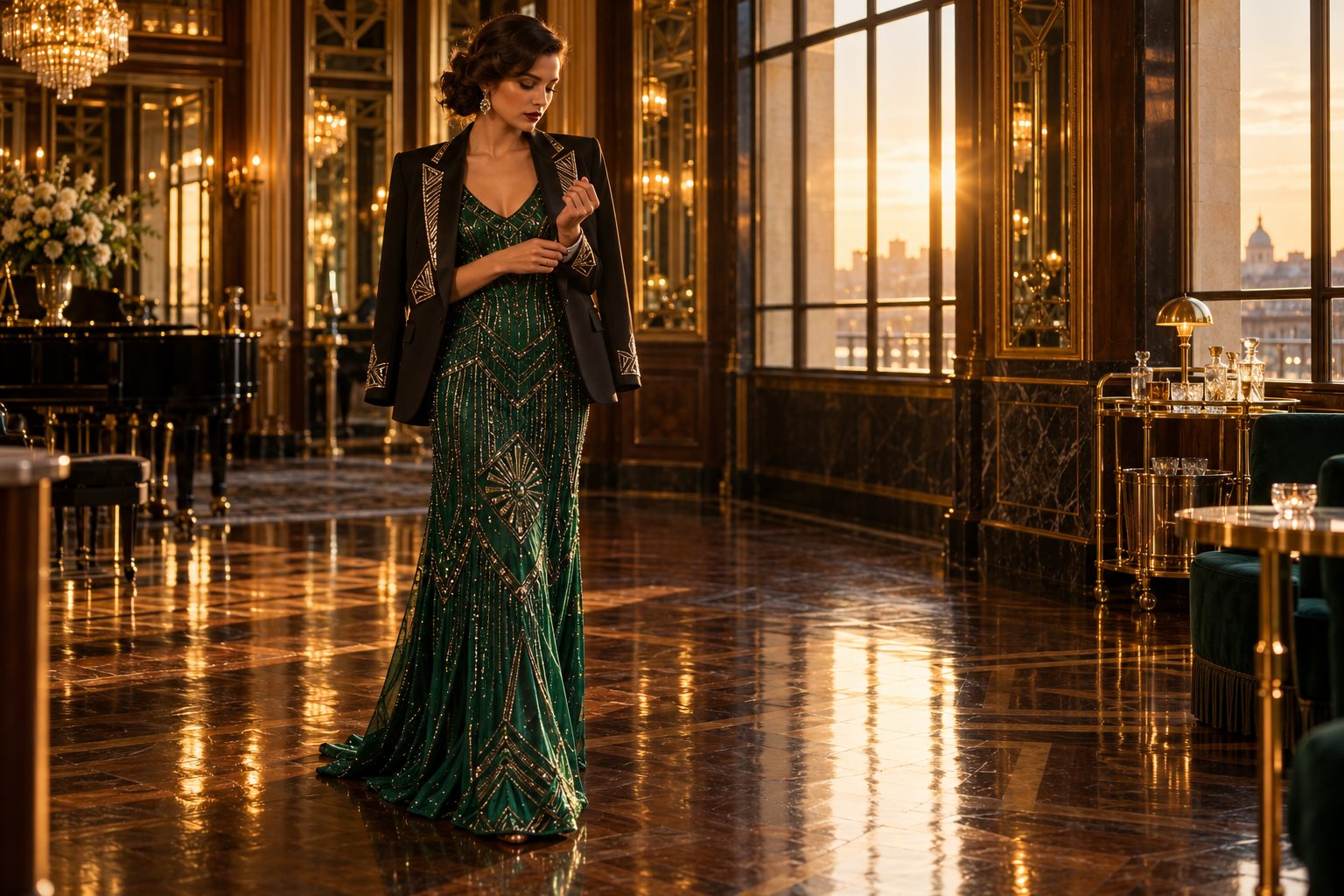
This fall, fashion takes a nostalgic yet refreshing turn as Art Deco influences sweep through the collections, marking a significant revival of 1920s glamour. The intricate play of geometric elegance and opulence is being reimagined for the contemporary wardrobe, offering a stylish respite from modern minimalism.
A Modern Spin on Timeless Elegance
The allure of Art Deco, with its characteristic embellishments and architectural lines, finds new life in today’s fashion landscape. Designers are not merely replicating the past but are instead weaving historical aesthetics into modern silhouettes. This season, the runways from Khaite, Kallmeyer, and Conner Ives have showcased these influences, bringing the golden age of the 1920s into dialogue with current fashion sensibilities.
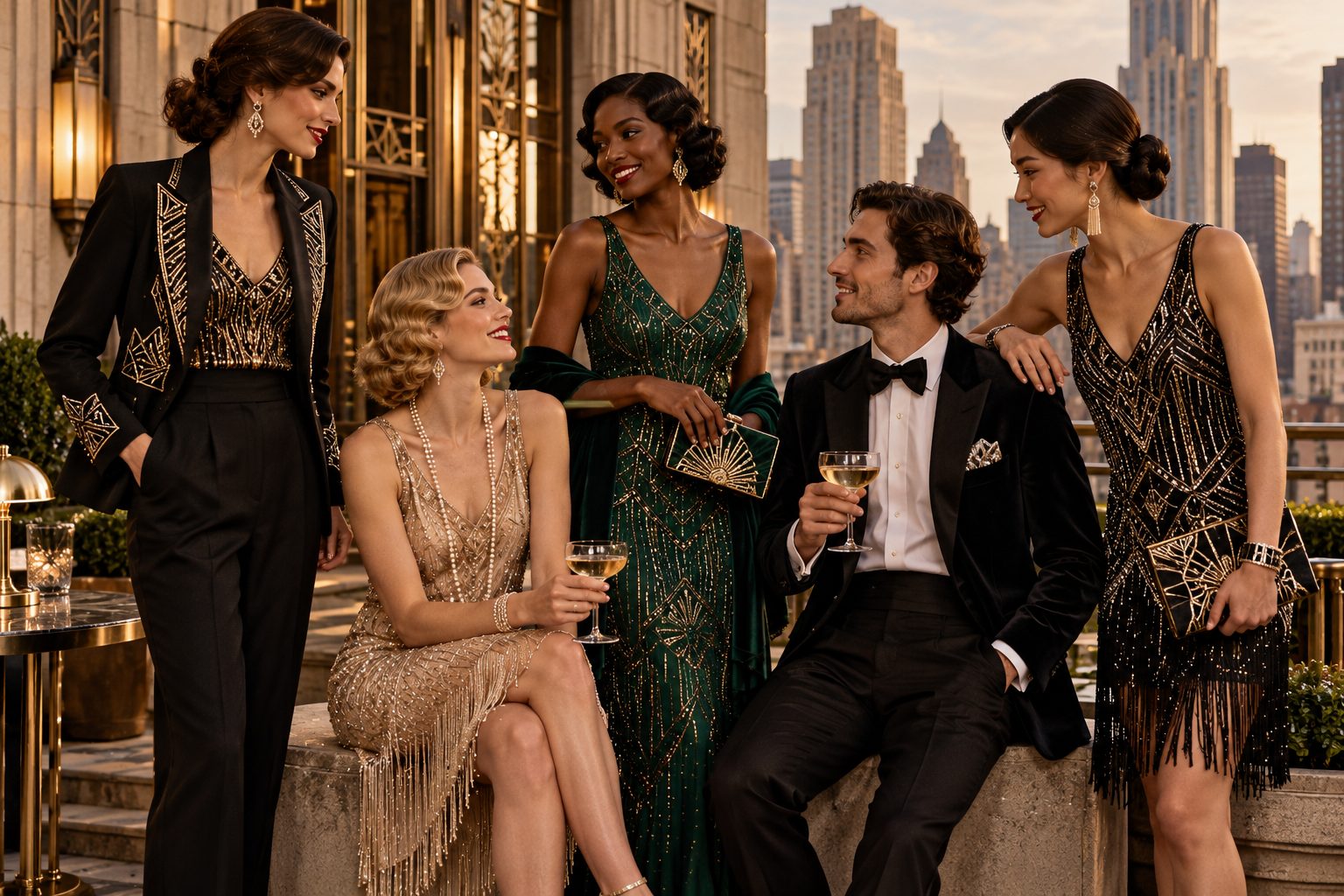
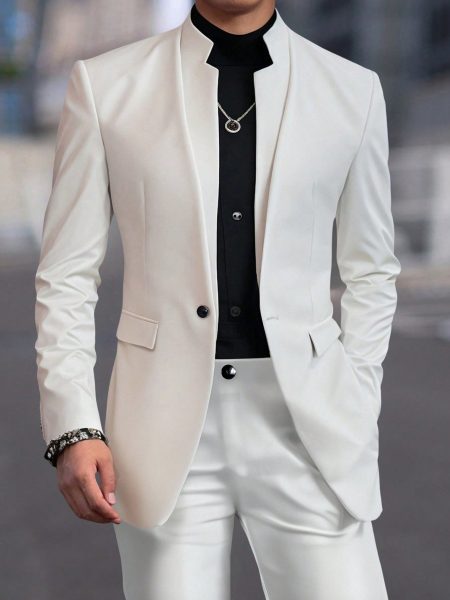
Evening dresses, for instance, have embraced drop waists and elaborate beadwork, reminiscent of the flapper era, yet presented in a way that resonates with today’s fashion-forward consumer. Tailored blazers, a staple in every stylish wardrobe, now feature geometric embroidery and metallic accents, creating a seamless blend of vintage charm and modern sophistication.
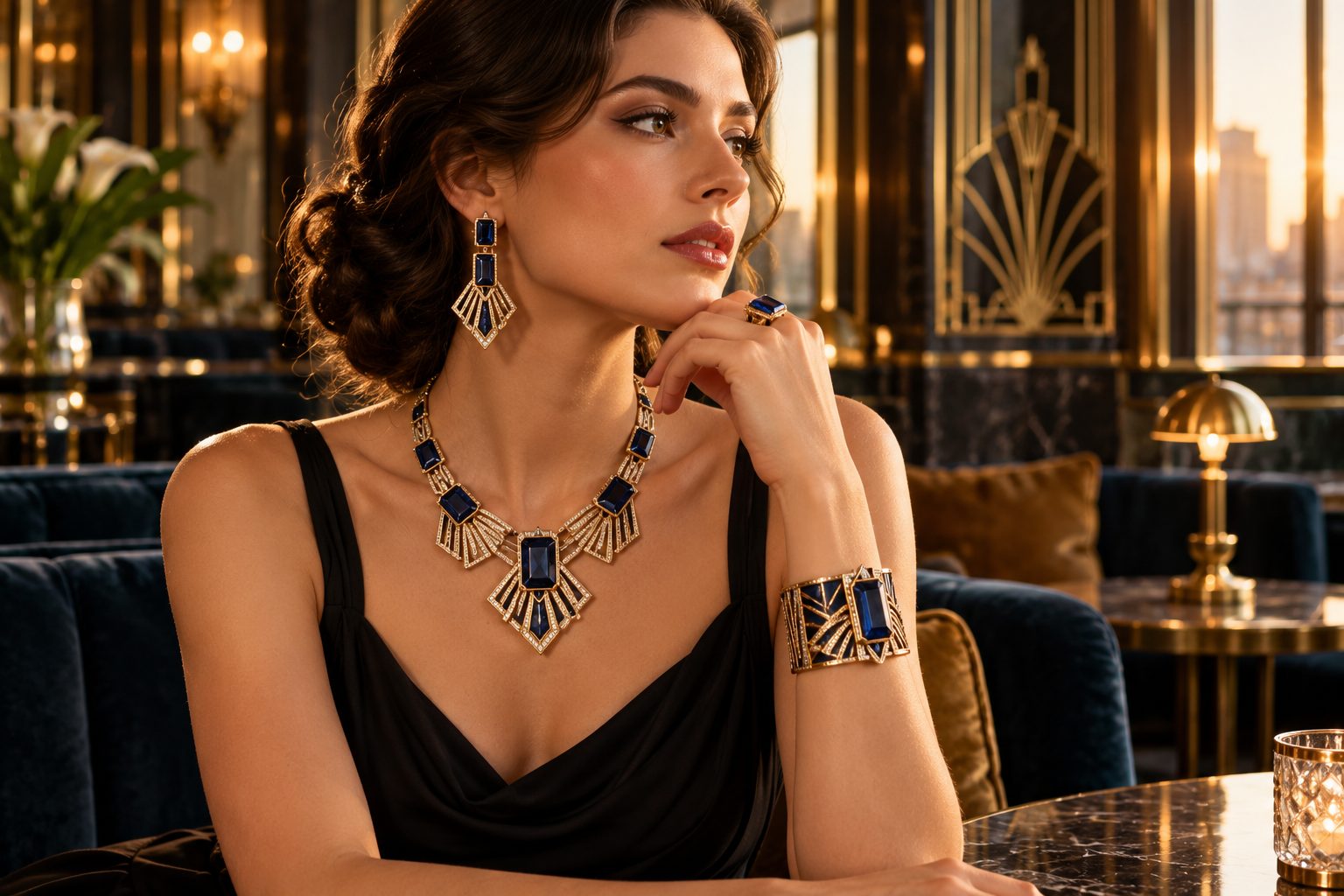
Accessories, too, have not been left behind. Statement jewelry with bold, intricate designs pays homage to the past while fitting perfectly within the eclectic style narratives of the present. Designers like Fernando Jorge and Le Sundial lead the charge in this jewelry renaissance, capturing the refined yet opulent spirit of Art Deco.
Global Appeal and Local Flavours
Art Deco’s revival isn't confined to one region; it's a global phenomenon that transcends cultural boundaries. In European and American markets, there's a distinct inclination towards vintage-inspired pieces that offer a sophisticated blend of nostalgia and modernity. These consumers are drawn to the timeless elegance that Art Deco embodies, finding in it a rich tapestry of history and style.
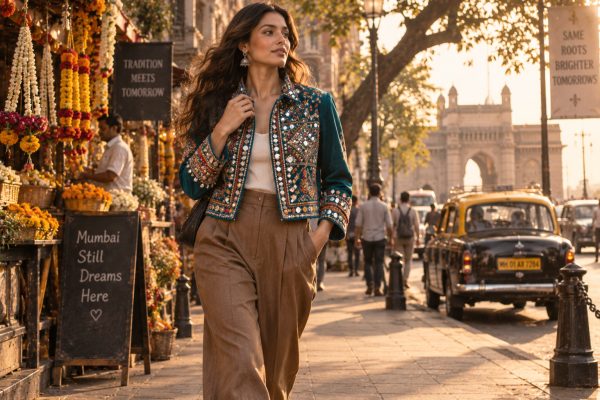
Conversely, in the Gulf and Asia, the trend is interpreted through a lens of opulence and craftsmanship. Here, designers are opting for luxurious fabrics and intricate detailing, aligning with local preferences for exquisite luxury. This adaptation ensures that the Art Deco trend remains not only relevant but also deeply personal to diverse global audiences.
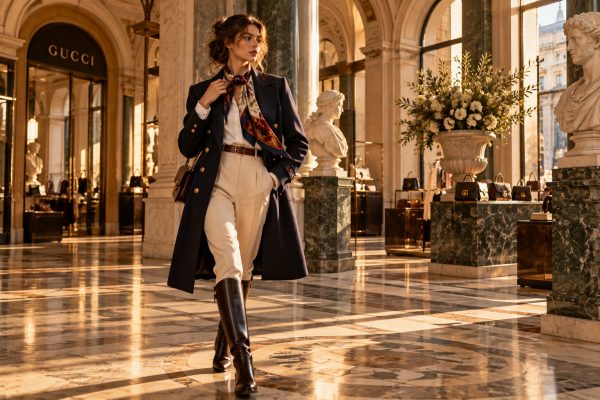
The seasonal shift also plays a role in how the trend is embraced. In the Northern Hemisphere, the cooler fall temperatures invite the use of heavier fabrics and layered looks, aligning perfectly with the rich textures and structured silhouettes of Art Deco styles. Meanwhile, in the Southern Hemisphere, designers pivot to lighter materials and shorter hemlines, ensuring the aesthetic remains accessible across varying climates.
Ornate Minimalism: A Dual Aesthetic
One of the most intriguing aspects of the Art Deco revival is how it balances ornate details with minimalist designs. This dual aesthetic is particularly appealing to a modern audience that appreciates the subtlety of minimalism yet craves the opulence of detailed embellishment. It’s a dance of contrasts, where sleek, understated garments are adorned with intricate beadwork or where a structured blazer finds new life with geometric embroidery.
Such interpretations allow for a versatile wardrobe where pieces can transition effortlessly from day to night, from a casual outing to an elegant soirée. This adaptability is key in today's fashion, where consumers value both functionality and aesthetic appeal. The Art Deco revival thus offers an avenue for expressing individuality while nodding to the grandeur of the past.
The Broader Cultural Context
The resurgence of Art Deco elements in Fall 2026 collections reflects a broader cultural yearning for glamour and sophistication amidst modern minimalism. In times of social and economic flux, there's a historical tendency to gravitate towards styles that evoke stability and grandeur. Art Deco, with its roots in the roaring 1920s, a decade synonymous with prosperity and liberation, offers a symbolic return to an era of optimism.
This revival also underscores a shift in consumer preferences towards quality and craftsmanship. As fast fashion's allure wanes, there’s an increasing demand for pieces that tell a story, that are imbued with a sense of history and artistry. The intricate beadwork, luxurious fabrics, and geometric patterns of Art Deco resonate with this desire, offering garments that are not just worn but experienced.
Seasonal Relevance and Adaptation
For the Northern Hemisphere, Fall 2026's cooler temperatures provide an ideal backdrop for heavier fabrics and layered looks characteristic of Art Deco styles. Rich textures like velvet and brocade, combined with the structured silhouettes of the era, create an inviting warmth and opulence. These looks not only provide physical comfort but also elevate the everyday wardrobe to something more aspirational.
In the Southern Hemisphere, where the shift is towards spring and summer, designers adapt the trend with lighter materials like silk and chiffon, and shorter hemlines. Art Deco’s geometric patterns and intricate detailing remain, but they’re rendered in breathable fabrics that suit the warmer climate, thus extending the trend's accessibility and appeal across hemispheres.
Trend Origins and Evolution
The resurgence traces back to Fall 2026 runway shows where designers like Khaite, Kallmeyer, and Conner Ives showcased collections inspired by the 1920s. These presentations emphasized the era's characteristic embellishments and architectural lines, reimagined for today's fashion landscape. The focus on these details highlights a broader trend of blending historical aesthetics with modern fashion, creating a dialogue between past and present.
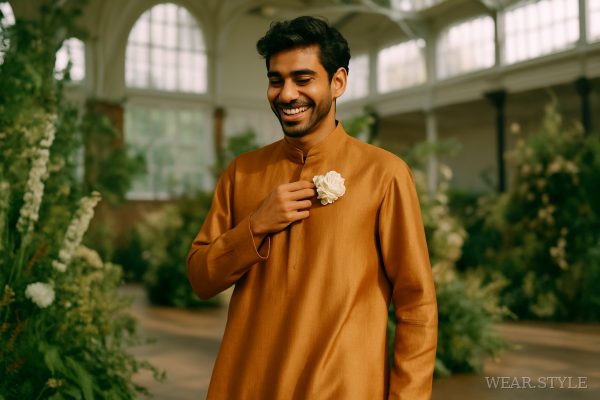
In wedding guest attire, designers like Miu Miu, Conner Ives, Chanel, and Kallmeyer have embraced the style through crystals, fringe, and embroidery. This move towards opulence in occasion wear underscores a desire for celebration and extravagance in personal expression, a stark contrast to the pared-back aesthetics that have dominated recent years.
The current fashion landscape, with its embrace of Art Deco, serves as a reminder of the cyclical nature of style. Fashion has always drawn inspiration from history, and this season is no exception. As we look to the past, we find not just a source of inspiration but a canvas upon which we can project new ideas and interpretations.
In Fall 2026, the Art Deco revival is more than a trend; it’s a testament to fashion’s enduring capacity to reinvent and reimagine, offering a sophisticated blend of history and modernity that captivates the global audience.
DesignersArt Deco fashionFall 2026 fashion1920s stylemodern aestheticstimeless elegance
Comments
No comments yet — start the conversation.