
Style Stories · Sustainability
Eco-Chic Diwali: Sustainable Fashion Choices
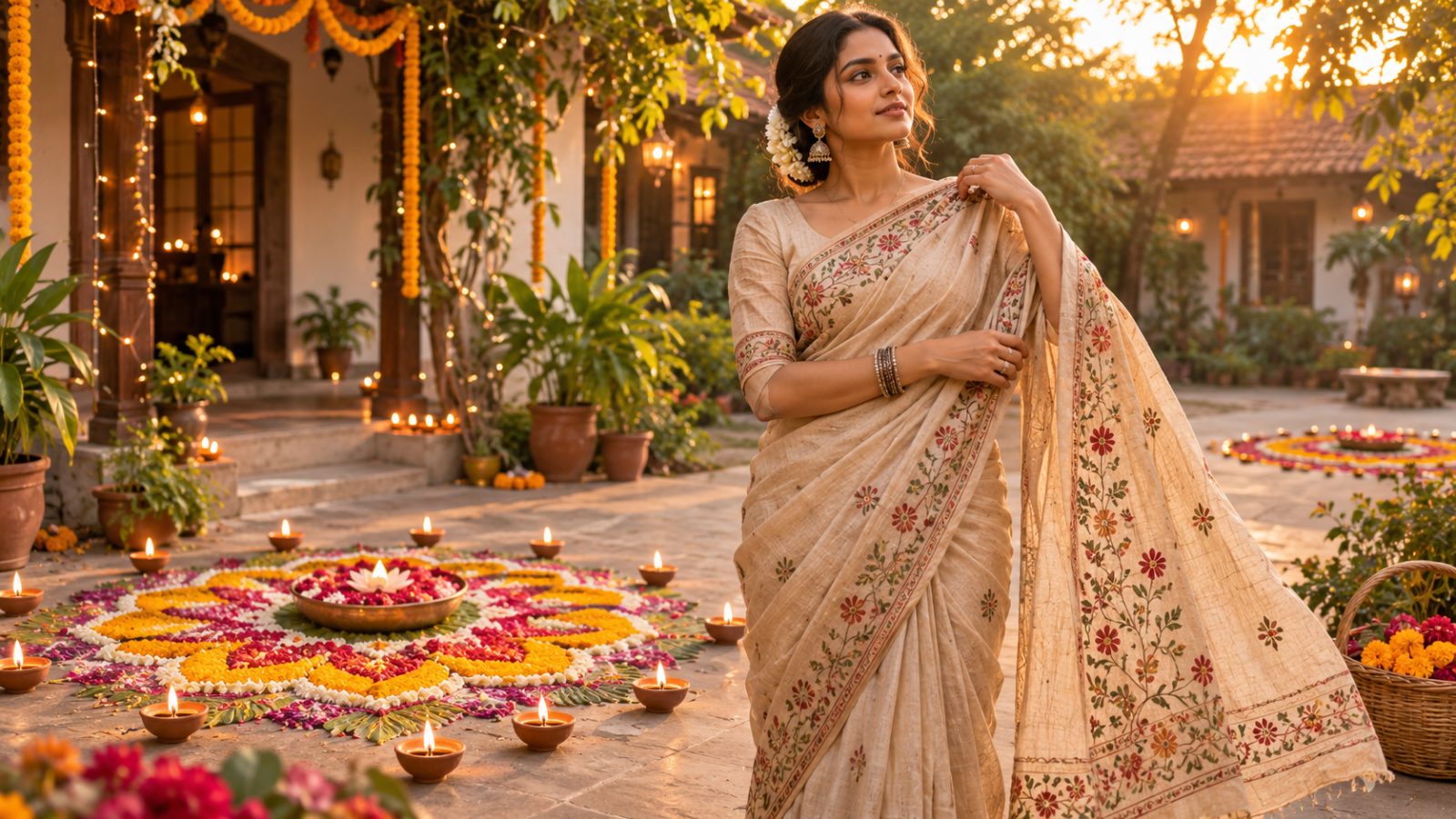
As the world turns its attention towards sustainable living, the realm of fashion is not left behind. This Diwali, the festival of lights, sees a vibrant confluence of tradition and eco-consciousness, making it a momentous occasion for sustainable fashion. With global awareness about environmental issues at an all-time high, and the festival falling on November 8, 2026, this is the perfect time to explore how eco-friendly practices are reshaping festive attire.
Embracing Tradition with a Sustainable Twist
Diwali, a festival celebrated with fervour across India and by Indian communities worldwide, is synonymous with lights, colour, and jubilation. Yet, there's an emerging trend that honours these traditions while keeping sustainability at the forefront. This year, the emphasis is on reducing waste by reusing decorations, choosing traditional clay diyas over synthetic alternatives, and crafting rangoli from natural materials.
Fashion, as a key component of Diwali celebrations, is undergoing a similar transformation. The shift towards sustainable fabrics is evident, with materials like organic cotton and pure linen taking centre stage. These fabrics are not only breathable and comfortable but also offer a nod to traditional textiles, celebrating indigenous craftsmanship while minimising environmental impact.
The Appeal of Eco-Friendly Fabrics
The allure of sustainable fashion lies in its simplicity and elegance. Fabrics such as linen and organic cotton are being embraced for their minimal environmental footprint and comfort. These textiles are perfect for creating garments that can withstand the dynamic nature of Diwali festivities—whether it's a saree draped gracefully, a kurta that moves with ease, or a lehenga that exudes understated glamour.
These natural fibres allow the skin to breathe, making them ideal for the varying climates in which Diwali is celebrated. In the Northern Hemisphere, where autumn's chill can be felt, layering with shawls or jackets crafted from similar sustainable materials adds warmth without compromising on style. In the Southern Hemisphere, spring invites lighter attire, and these fabrics ensure comfort under the sun.
Minimalist Designs that Speak Volumes
Beyond fabric choices, the aesthetic of Diwali fashion is seeing a shift towards minimalism. Designers are moving away from heavy embellishments and opting for designs that highlight the beauty of the fabric and craftsmanship. This minimalist approach not only reduces the carbon footprint associated with producing elaborate embellishments but also allows for versatility, with pieces that can be worn beyond the festival season.
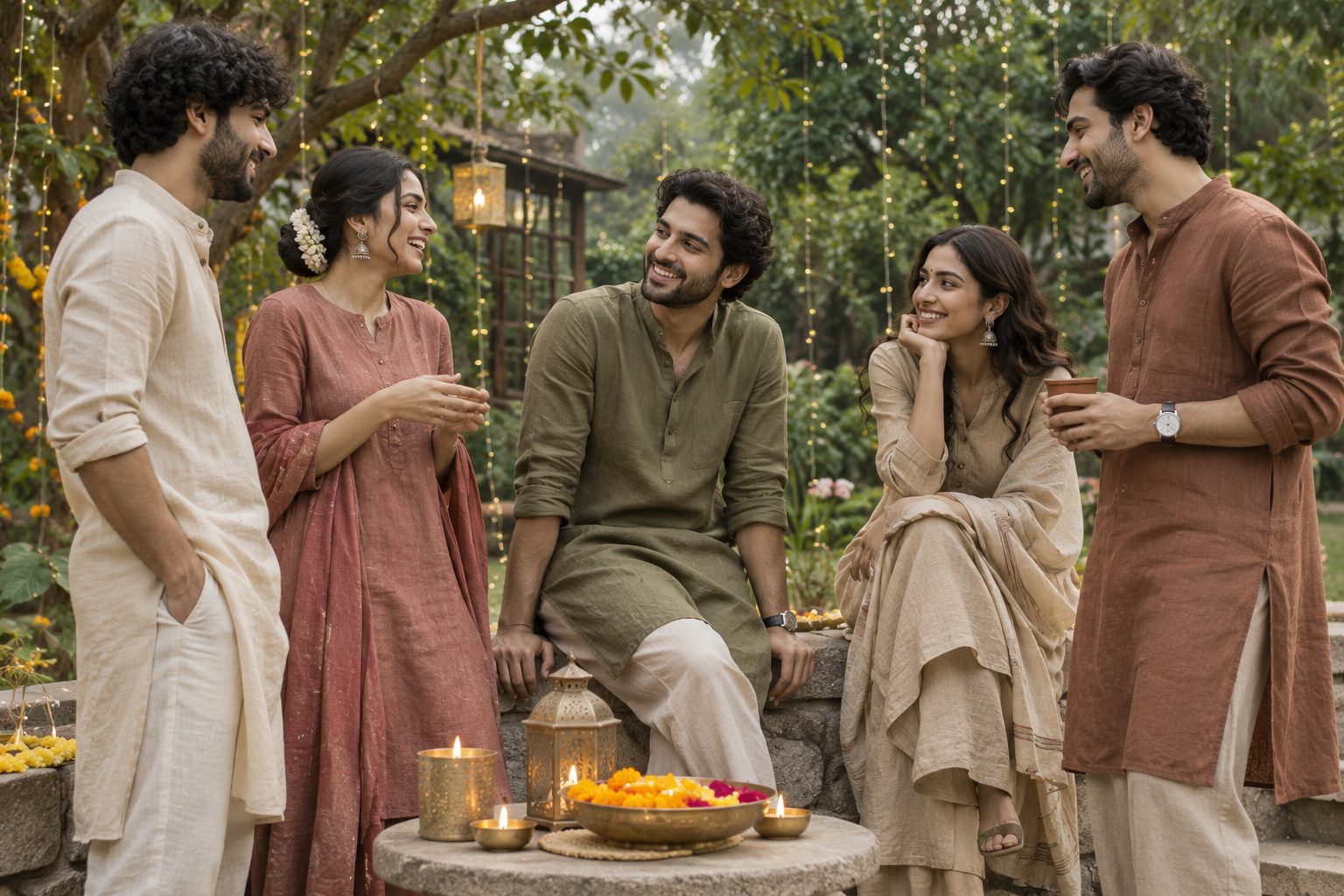
Earthy tones and natural dyes are favoured, reducing chemical usage and adding a touch of organic beauty to festive wear. The muted palette complements the vibrant celebrations, providing a balanced contrast that is both eye-catching and respectful of tradition.
Reimagining Festive Wear
The saree, a quintessential Diwali garment, is being reimagined in organic cotton and linen, featuring traditional weaves that honour heritage while embracing eco-friendliness. Kurtas and kurtis, suitable for both men and women, are crafted from sustainable fabrics, ensuring they are both stylish and responsible choices.
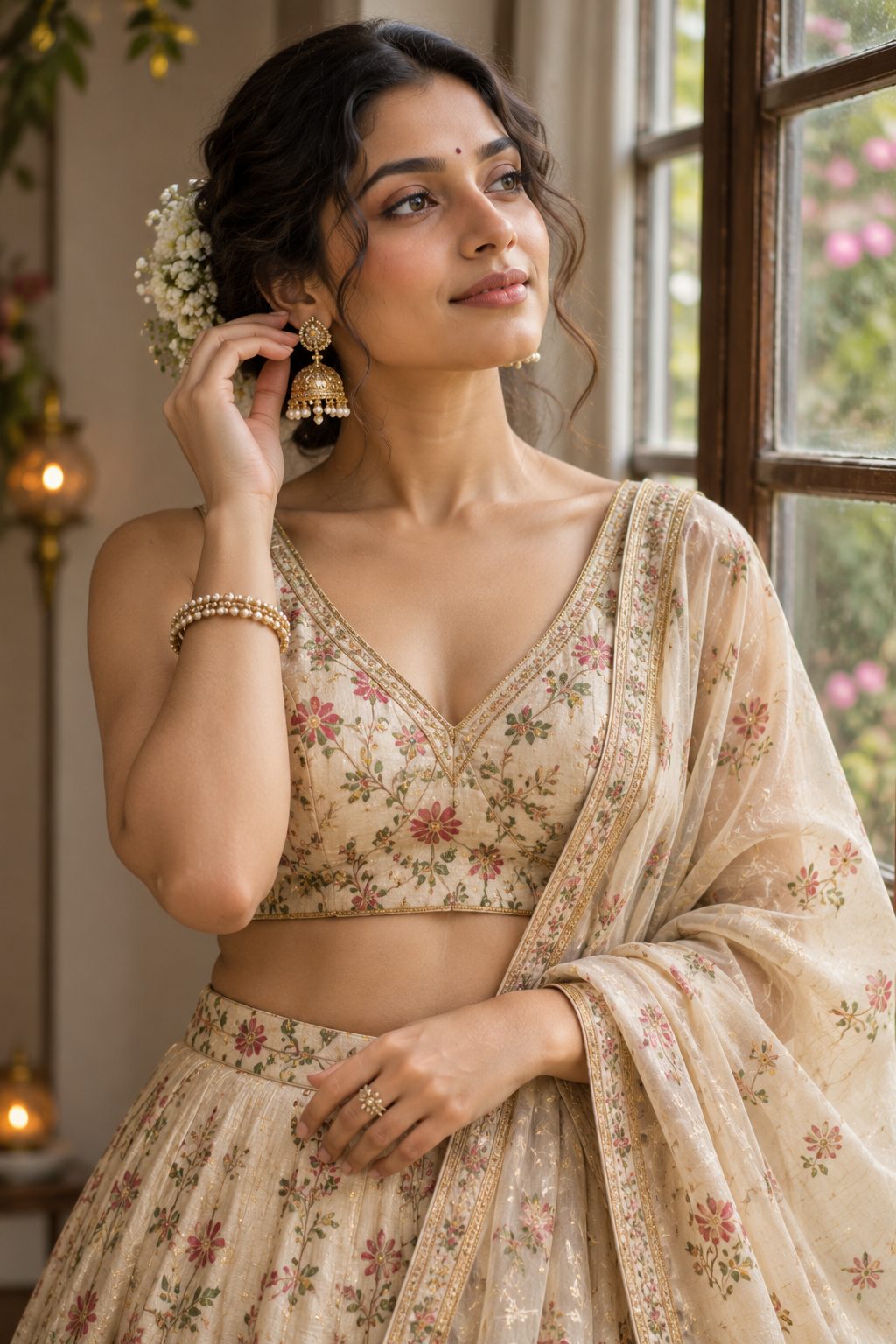
Lehengas, often the highlight of festive attire, are now designed with a focus on eco-friendly materials and minimalistic embroidery. These garments offer a sustainable alternative that doesn't compromise on the elegance and grandeur expected of Diwali fashion. Dupattas, an essential accessory, are crafted using natural dyes and handwoven techniques, showcasing the intricate beauty of artisanal skills.
A Global Movement with Local Impact
The move towards sustainable festive fashion is not limited to India but is part of a broader global trend. In Western markets, there's a parallel shift towards eco-friendly holiday attire, reflecting a universal desire to make mindful fashion choices. However, the emphasis on traditional attire during Diwali makes this trend particularly significant for Indian communities worldwide.
As consumers become more educated about the environmental impact of fashion, there's a growing demand for garments that align with their values. This movement supports not only environmental sustainability but also the preservation of traditional crafts, providing economic opportunities for artisans and contributing to the cultural richness of the festival.
In conclusion, this Diwali presents an opportunity to celebrate in a way that honours both tradition and the planet. By choosing sustainable fabrics and designs, we can enjoy the festivities while contributing positively to the environment, ensuring that the festival of lights shines brightly for future generations.
Sustainabilitysustainable fashionDiwali fashioneco-friendly attireorganic fabricsminimalist designs

Comments
No comments yet — start the conversation.