
The Art of Mixing Textures in Men's Fashion
# The New Language of Menswear: Why Texture Is Taking Over in 2026
Men’s fashion in 2026 is moving beyond the clean, minimalist aesthetic that dominated the past few years. The new mood is richer, more tactile and considerably more expressive.
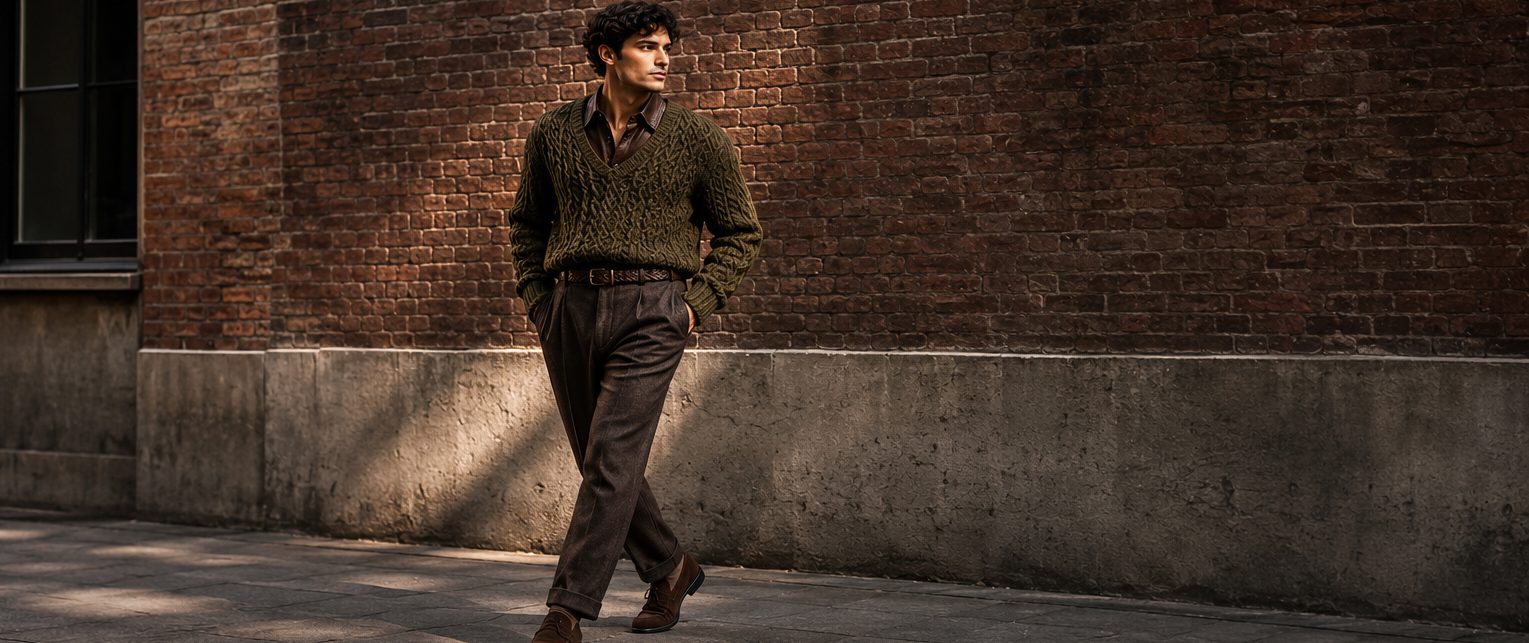
Texture is becoming one of the defining elements of contemporary menswear. Chunky knits, polished leather, brushed wool, woven fabrics, jacquards and intricate embellishments are being layered together to create outfits with depth and personality.
This is not simply a return to dressing up. It reflects a broader shift in how men approach personal style — with greater emphasis on individuality, craftsmanship and more thoughtful consumption.
## Why Texture Matters Now
Texture offers a quieter form of self-expression. While bold colours and graphic prints immediately demand attention, texture rewards a closer look. A heavily knitted sweater, a grainy leather trouser or a richly woven belt can transform an otherwise restrained outfit without making it feel excessive.
That makes texture particularly relevant in 2026, as menswear moves away from the uniformity of minimalism and towards more considered, expressive dressing.
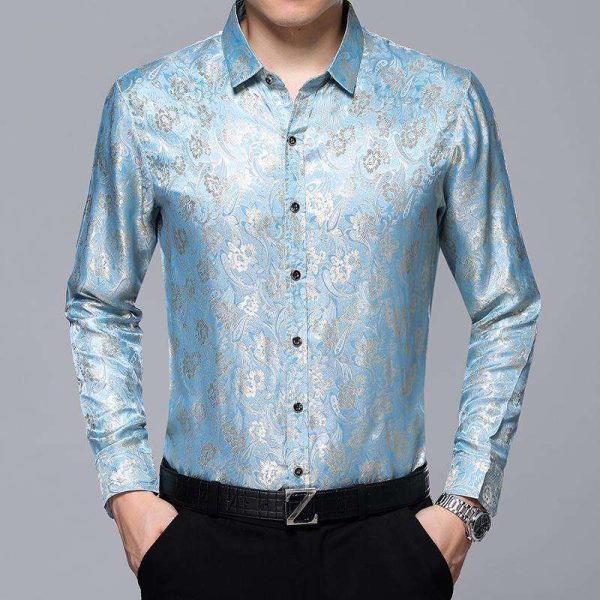
The Fall/Winter 2026 fashion conversation is particularly rich in fabrics such as brocade and jacquard. Their intricate surfaces bring a sense of luxury and even a touch of Art Deco-inspired glamour to contemporary silhouettes. Geometric motifs, embroidery and detailed embellishment further reinforce the idea that clothing can function almost like wearable art.
The appeal of texture is also connected to craftsmanship. In a fashion environment increasingly concerned with longevity and sustainability, the physical quality of a garment matters. Fabrics that can be felt, examined and appreciated create a stronger connection between the wearer and the clothing.
## The Art of Mixing Textures
Mixing textures is essentially an exercise in controlled contrast.
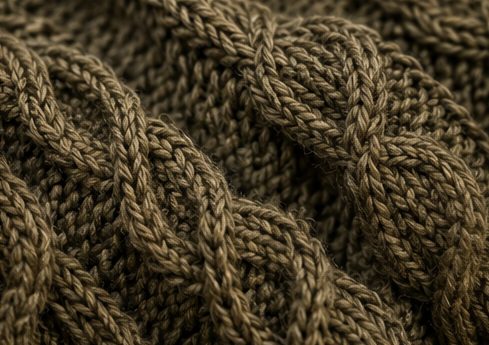
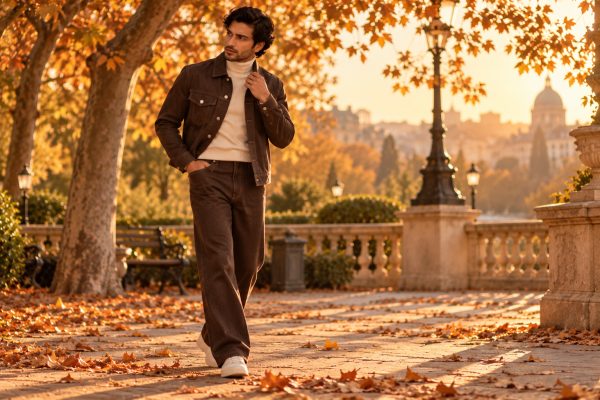
Think of a chunky knit sweater against smooth leather trousers. The softness and visual weight of the knit are balanced by the sleek, structured surface of leather. Add tailored wool, a woven belt and suede footwear, and the outfit gains several distinct tactile layers without becoming chaotic.
The key is balance.
When multiple textures are introduced into one look, colour becomes the element that brings everything together. Earth tones, deep greens, chocolate browns, charcoal and muted neutrals allow contrasting fabrics to work together naturally.
The result is an outfit that feels sophisticated rather than over-styled.
Runway collections for Autumn/Winter 2026 have continued to explore this relationship between contrasting materials and silhouettes. Designers including Dior and Prada have played with elongated proportions and combinations that bring denim, relaxed tailoring and more refined fabrics into the same conversation.
At the other end of the spectrum, Celine's emphasis on slim, precise silhouettes demonstrates how texture can provide visual richness without requiring volume. The cut remains clean while the material provides the personality.
Accessories are an important part of this movement.
Footwear, in particular, is becoming an opportunity to introduce another layer of texture. Calf-hair shoes, suede loafers, embossed leather and animal-inspired surfaces can add an unexpected tactile element to an otherwise understated outfit.
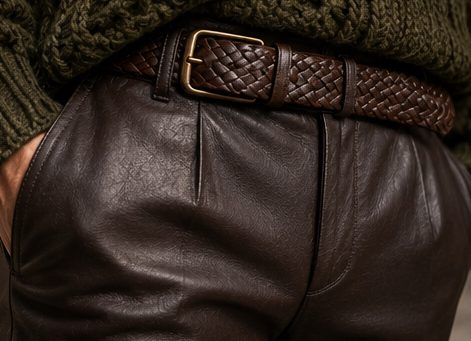
For anyone new to texture mixing, accessories are often the easiest place to start. A textured shoe or woven belt can introduce the idea without requiring an entire wardrobe overhaul.
## Texture Finds Its Place in India
India has an advantage when it comes to the texture conversation: texture has always been part of its textile heritage.
Khadi, silk, handwoven cotton, brocade and other traditional fabrics offer an enormous vocabulary for contemporary menswear. The opportunity for Indian designers is not simply to reproduce these materials in traditional garments, but to reinterpret them through modern silhouettes.
A structured jacket in textured khadi. A contemporary shirt in handwoven cotton. A relaxed trouser in silk-blend fabric. A modern overshirt featuring traditional weaving techniques.
These combinations allow heritage and modernity to exist in the same wardrobe.
They also speak to a growing interest in craftsmanship and local production. Using traditional textile techniques and locally developed materials can give contemporary fashion a stronger connection to place while supporting the artisans and communities behind those techniques.
## Texture Changes With the Season
Texture is not limited to winter dressing.
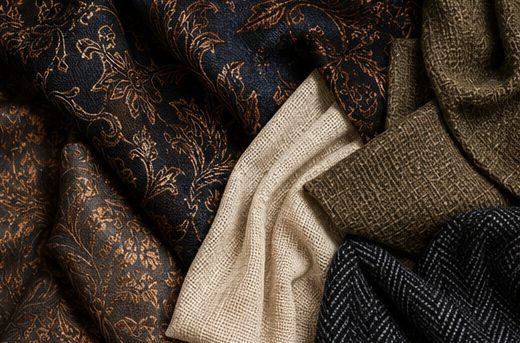
During India's cooler months, heavier materials such as wool, corduroy, brushed cotton and chunky knits naturally lend themselves to layering. They add warmth while creating the depth that makes a layered outfit visually interesting.
Spring and summer demand a lighter approach.
Linen, lightweight cotton, silk and breathable woven fabrics can be combined to create texture without adding unnecessary weight. A crisp linen shirt paired with textured cotton trousers, for example, can create a sophisticated look while remaining comfortable in warmer climates.
The principle remains the same: contrast materials, but maintain harmony.
## The Future Is Tactile
The renewed interest in texture represents something larger than another seasonal trend.
After years in which minimalist dressing often meant reducing clothing to simple shapes and neutral surfaces, menswear is rediscovering the pleasure of material. Fabric is becoming something to notice again — something that gives clothing character, tells a story and creates a sense of individuality.
For men looking to evolve their wardrobes in 2026, texture offers an accessible starting point. It does not require abandoning classic pieces or embracing excessive styling. Sometimes, the simplest combination — a textured knit, tailored trousers, a leather accessory and a considered pair of shoes — is enough.
The future of menswear may not be louder.
It may simply be more tactile.
Trendsmixing textures in men's fashionmen's stylefashion tipstextile combinationsmodern menswear
Comments
No comments yet — start the conversation.