
Roaring Twenties Revival: Modern Flapper Flair
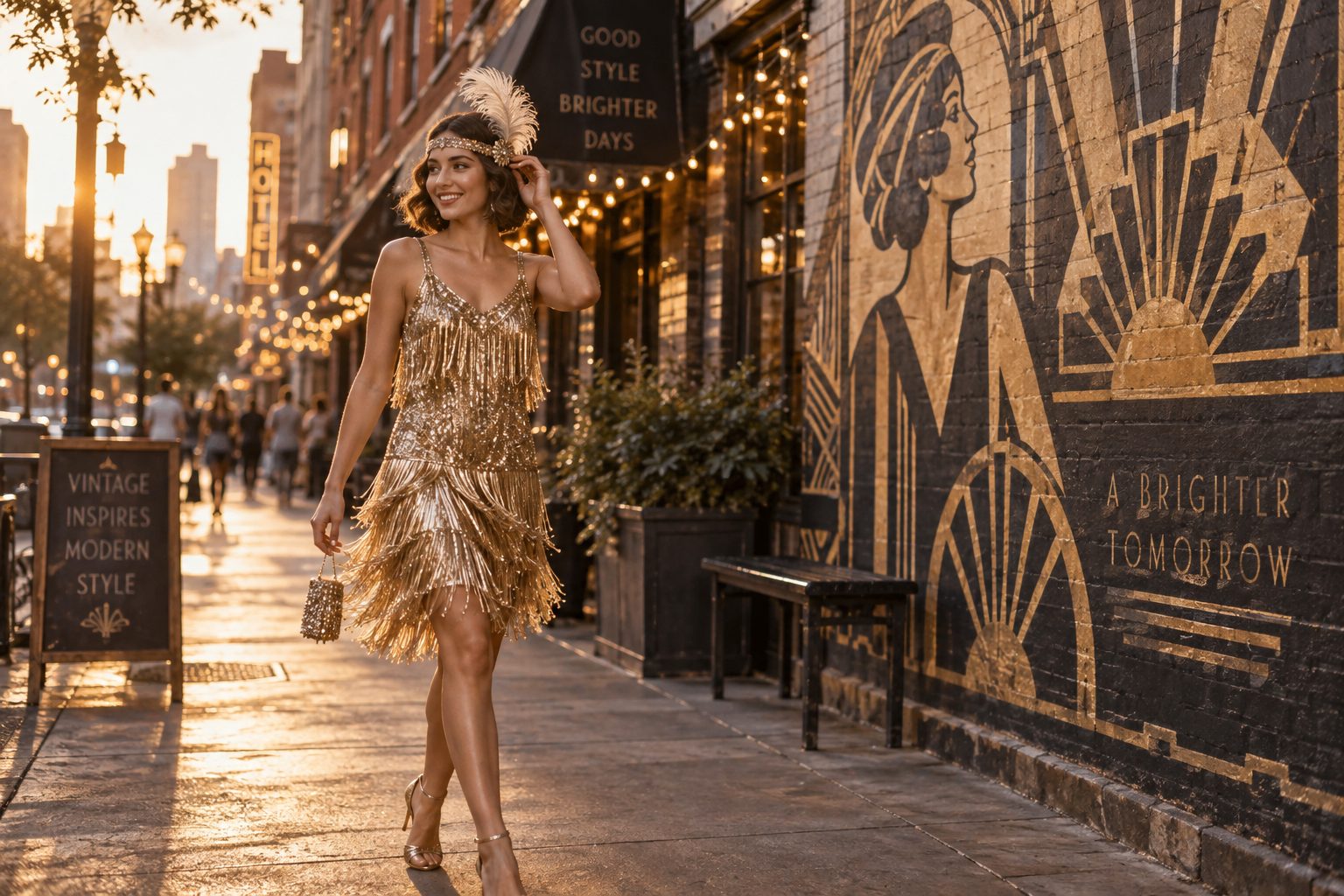
The Autumn 2026 fashion season has swept in with a nostalgic breeze, carrying with it the exuberance and aesthetic daring of the 1920s. In a world that’s increasingly looking to the past for inspiration, the Roaring Twenties have emerged as a cultural touchstone for designers eager to inject joy and individuality into their collections. This revival is more than just a nod to an era; it’s a reimagining of style staples like the flapper dress, jazz shoes, and Art Deco motifs, all updated with a contemporary twist.
Embracing the Jazz Age
The allure of the 1920s lies in its spirit of liberation and innovation, qualities that resonate powerfully in today's fashion landscape. This era was marked by a seismic shift in social norms, mirrored in the sartorial choices of the time. Designers in 2026 are channeling this energy into their collections, offering modern takes on classic flapper styles that celebrate both form and freedom.
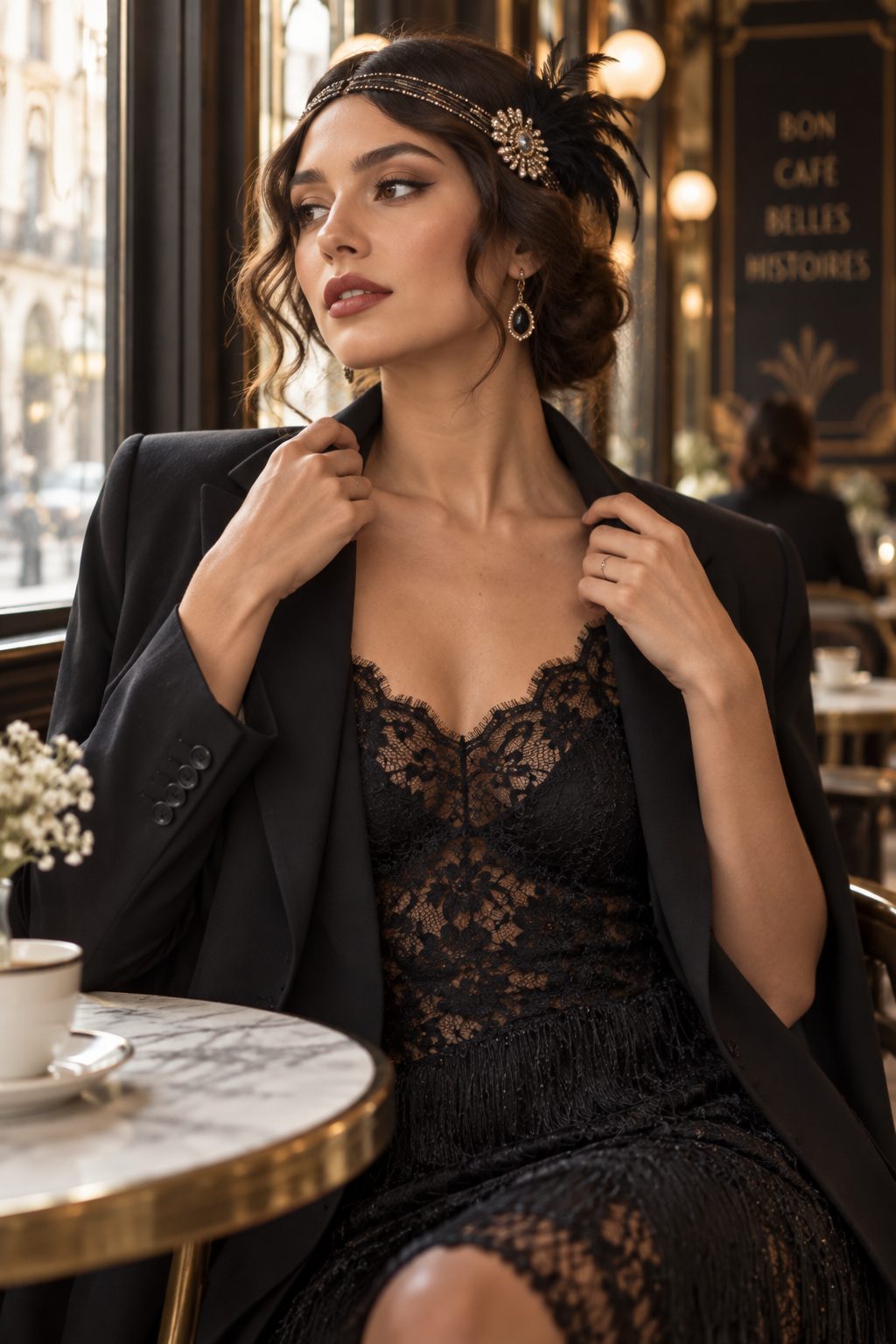
Chanel, under the creative direction of Matthieu Blazy, unveiled a Fall-Winter 2026 collection that harkens back to the "La Garçonne" style, a nod to the boyish tailoring and drop-waisted silhouettes that once defined a generation. The collection is rich with metallic detailing and feather embellishments, each piece a testament to the house’s enduring legacy of elegance and rebellion. The runway featured drop-waisted dresses paired with sleek blazers, echoing the nonchalant yet chic aesthetic of the era.
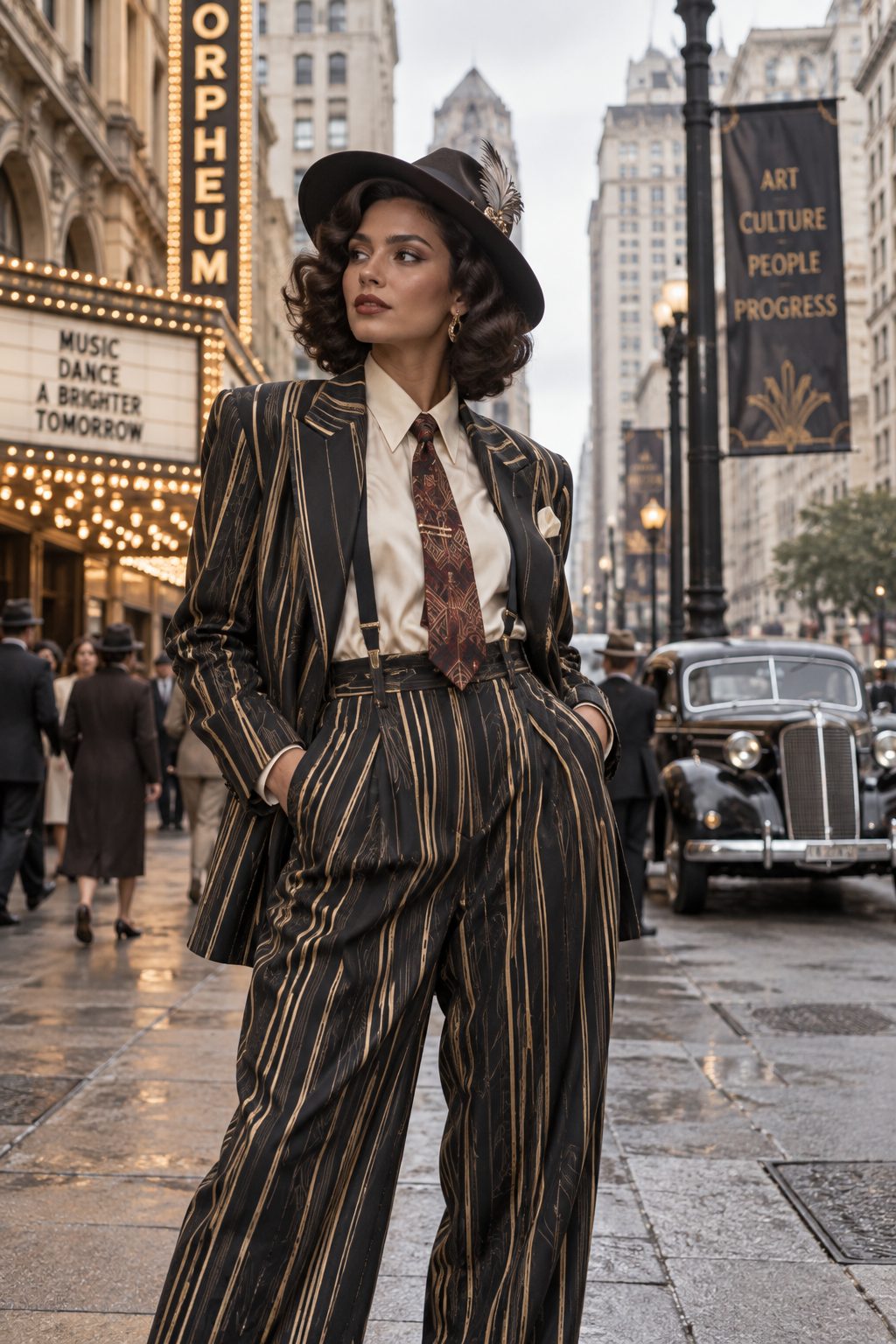
Similarly, Ferragamo’s latest offerings, spearheaded by Maximilian Davis, draw inspiration from the speakeasies of the Jazz Age. Expect to see fluid tailoring and opulent embellishments that capture the era's rebellious spirit. The collection’s reimagined zoot suits and lace slip dresses embody a playful yet sophisticated edge, perfect for modern wardrobes that cherish versatility and flair. These designs reflect a celebration of both the opulence and the understated elegance that characterized the Roaring Twenties.
Key Styles and Silhouettes
At the heart of this revival is the drop-waist silhouette, a style that dominated the 1920s and is now making a triumphant return. Elle has highlighted its prevalence in collections from Chanel, Marni, and Miu Miu, signalling its significance as a key trend for the season. The drop waist is celebrated for its ability to flatter a range of body types while providing a relaxed, yet elegant, look. This season, it is often paired with structured blazers or bombers to create a balanced and contemporary ensemble.
The material choices further enhance the vintage-modern fusion. Luxurious fabrics such as silk, velvet, and suede add depth and texture, while intricate beading, fringe, and Art Deco patterns provide visual interest without overwhelming the ensemble. These details are more than decorative; they are a tactile connection to the past, inviting wearers to feel the history woven into each garment. Designers are carefully blending these elements to ensure each piece retains a sense of authenticity while also embracing modern aesthetics.
Footwear has also seen a nod to the past with the reemergence of jazz shoes, sleek flats inspired by dance styles of the era, offering both comfort and a touch of nostalgia. T-bar heels, a staple of the flapper era, also make a comeback, pairing beautifully with the season’s dress silhouettes. These shoes are not just about style; they are about embracing the vivacious spirit of dance and movement that defined the Jazz Age.
Global Influence and Adaptation
The 1920s revival is not confined to any single region, resonating with fashion aficionados across the globe. In the United States and Europe, the trend aligns with a broader movement towards expressive and nostalgic fashion, appealing to consumers seeking individuality. Here, the emphasis is on bold silhouettes and intricate details, reflecting a desire for personal expression in sartorial choices. The European fashion scene, in particular, has embraced these styles with a sense of historical reverence, merging them seamlessly into modern wardrobes.
In Asia, particularly in fashion-forward markets like Japan and South Korea, vintage-inspired fashion has a strong following. The 1920s aesthetic is embraced with enthusiasm, with local interpretations adding regional flair to the global trend. Designers in these regions are known for their innovative takes on traditional styles, often incorporating local cultural elements that breathe new life into the vintage motifs. Meanwhile, in the Middle East, the focus on luxurious materials and opulent detailing aligns perfectly with local preferences for high-end fashion, making it a natural fit for the region's fashion landscape. The rich textures and vibrant embellishments resonate with the Middle Eastern penchant for lavish fashion statements.
The adaptability of this trend allows it to transcend climatic boundaries as well. In the northern hemisphere, the use of heavier fabrics and layered ensembles caters to cooler temperatures, while the southern hemisphere sees lighter interpretations, such as silk dresses with subtle fringe, offering a nod to the trend without compromising comfort in warmer weather. This versatility ensures that the Roaring Twenties revival can be embraced by fashion enthusiasts worldwide, regardless of the season.
Garment Types and Their Modern Appeal
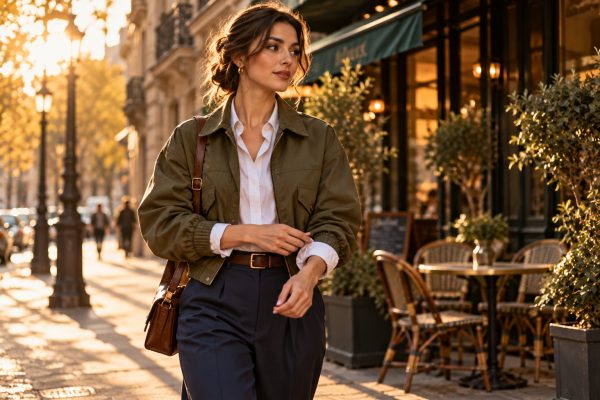
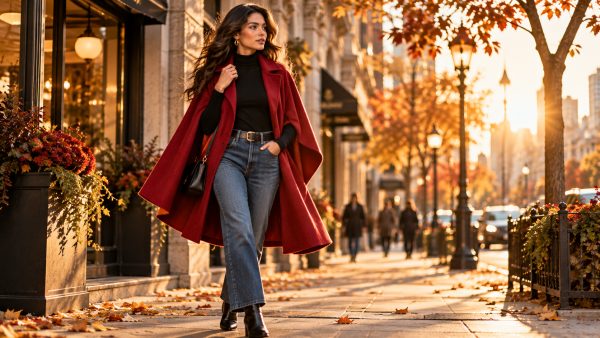
Key pieces defining this revival include drop-waist and shift dresses adorned with fringe or beading, which are perfect for both day and night looks. Outerwear such as structured blazers, bombers, and coats with vintage-inspired tailoring provide a chic layer that complements the relaxed silhouettes of the dresses. These pieces embody a blend of practicality and style, making them ideal for the modern wardrobe.
Footwear selections extend beyond jazz shoes to include T-bar heels, which add a touch of elegance and are perfect for both formal occasions and casual outings. Accessories play a crucial role in completing the look, with top-handle handbags, pearl jewelry, and Art Deco-inspired pieces adding the final flourish. These elements are not just about accessorizing; they encapsulate the essence of an era defined by its attention to detail and love for all things glamorous.
Image Opportunities
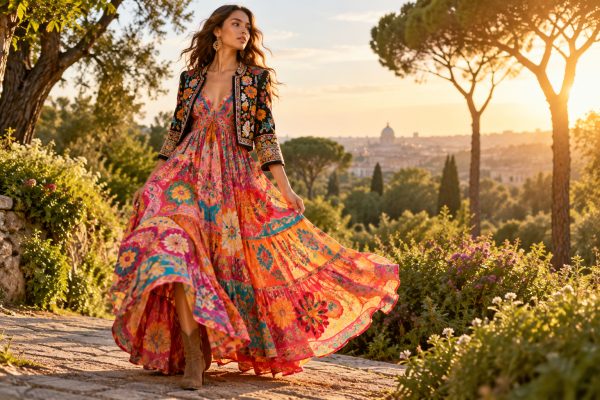
Visuals of this trend can capture the essence of the 1920s revival through runway highlights showcasing key looks from Chanel, Ferragamo, and Zimmermann's collections. These images can convey the dramatic flair and elegance that define the modern flapper style. Street style photography further illustrates how contemporary fashionistas incorporate these vintage elements into their everyday wardrobes, blending history with modernity in a seamless fashion dance. Detailed shots of fringe, beading, and Art Deco patterns can highlight the craftsmanship and artistry involved in these designs, offering a closer look at the intricate beauty of each piece.
As we delve deeper into the 2026 fashion scene, the revival of 1920s styles serves as a reminder of fashion's cyclical nature. It highlights the industry's capacity for reinvention, proving that the past can serve as a rich wellspring of inspiration for the future. This season, the Roaring Twenties are not just a relic of history, but a vibrant part of today’s fashion narrative, inviting us all to dance once more to the rhythm of the jazz age.
TrendsRoaring Twenties fashionflapper style1920s revivalmodern fashionexpressive dressing
Shop this story
Comments
No comments yet — start the conversation.