
The Significance of Colour in Festive Menswear
As the vibrant tapestry of India's festive season unfolds from September to November 2026, the air is thick with anticipation and celebration. Each festival, from Ganesh Chaturthi to Diwali, not only brings its own traditions but also a kaleidoscope of colours that carry deep cultural significance. In the realm of menswear, selecting the right hues becomes an art — one that balances tradition, personal expression, and contemporary fashion trends.
Tradition Meets Modernity: Colour Stories for Festive Attire
The 2026 festive palette invites a dialogue between the past and the present. With Pantone's "Cloud Dancer" as the Colour of the Year, a soft and ethereal white, the stage is set for a minimalist approach that resonates with purity and new beginnings. This choice aligns seamlessly with festivals like Ganesh Chaturthi and Diwali, where white and ivory signify auspiciousness and spiritual renewal.
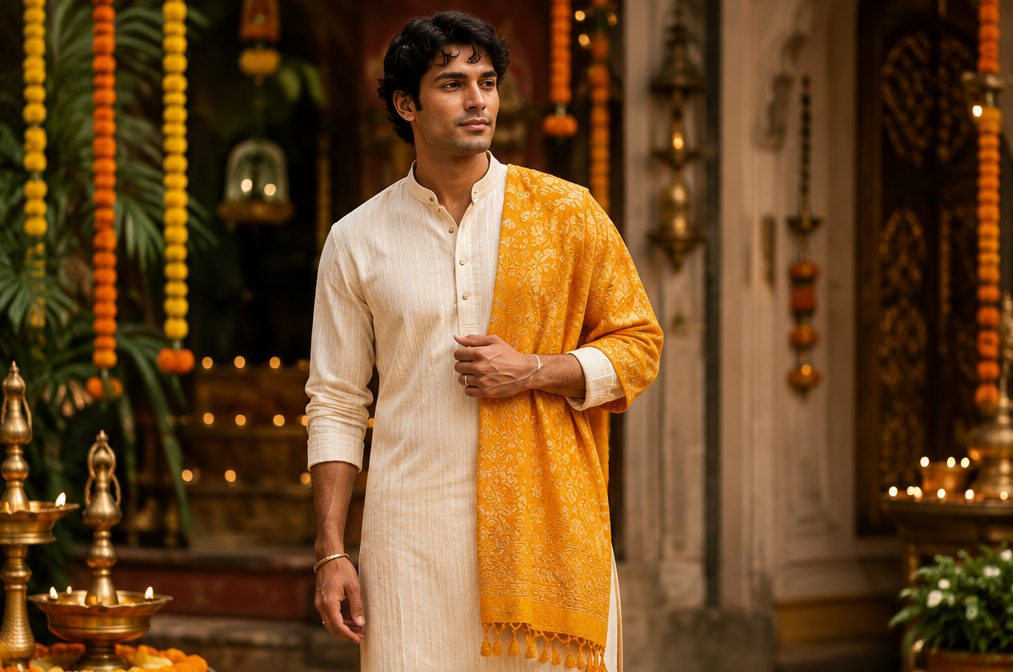
Otoko Style's menswear collection embraces this trend, offering ivory and warm white kurtas that serve as versatile canvases for a variety of festive occasions. These neutral bases are not just about simplicity; they are about providing a backdrop for expressive accents. Imagine pairing a marigold stole with an ivory kurta, a combination that is both understated and striking, reflecting prosperity and joy.
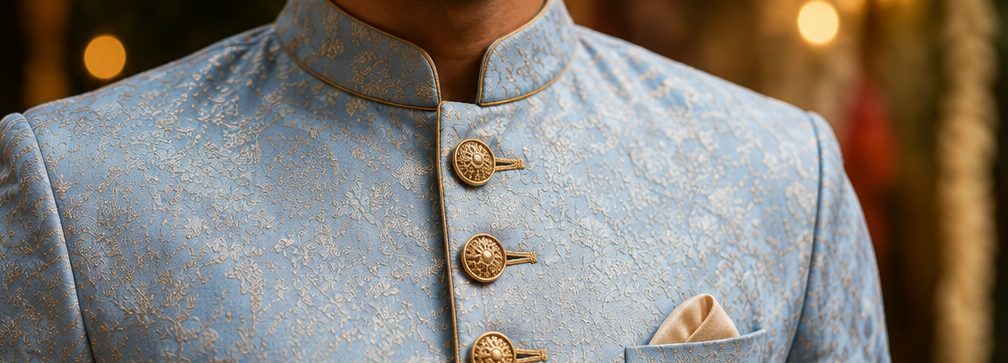
Meanwhile, shades of sky blue, representing tranquility, emerge as a fresh choice for daytime events. A sky blue sherwani, perhaps accented with gold buttons, offers a modern twist on traditional attire, perfect for the nuanced elegance demanded by celebrations like Navratri and Durga Puja.
Economic and Cultural Resonance of Festive Colours
India's festive season is not just a cultural phenomenon; it's a major economic driver. The 2025 season recorded a staggering ₹6.05 lakh crore in trade, underscoring the significance of festive attire in the market. This economic impact highlights the importance of colour choices that resonate with consumers on both an emotional and cultural level.
Black, a colour often associated with sophistication, finds its place in evening celebrations. While traditionally avoided during auspicious occasions, the contemporary interpretation of black in menswear, such as in sleek bandhgalas, speaks to a growing appreciation for its elegance and modernity. This shift reflects a broader trend where traditional symbolism intertwines with global fashion currents.
Designers like Prada contribute to this dialogue by introducing unique accessories, such as cufflinks made from semi-precious stones, adding layers of personal expression and luxury to traditional attire. These elements highlight how accessories can elevate a look while maintaining cultural relevance.
Styling for the Season: Practical Approaches and Visual Inspirations
The transition from monsoon to winter in India brings moderate temperatures, influencing fabric and colour choices. Lightweight materials in neutral tones ensure comfort during daytime rituals, while heavier fabrics and darker hues cater to cooler evening events.
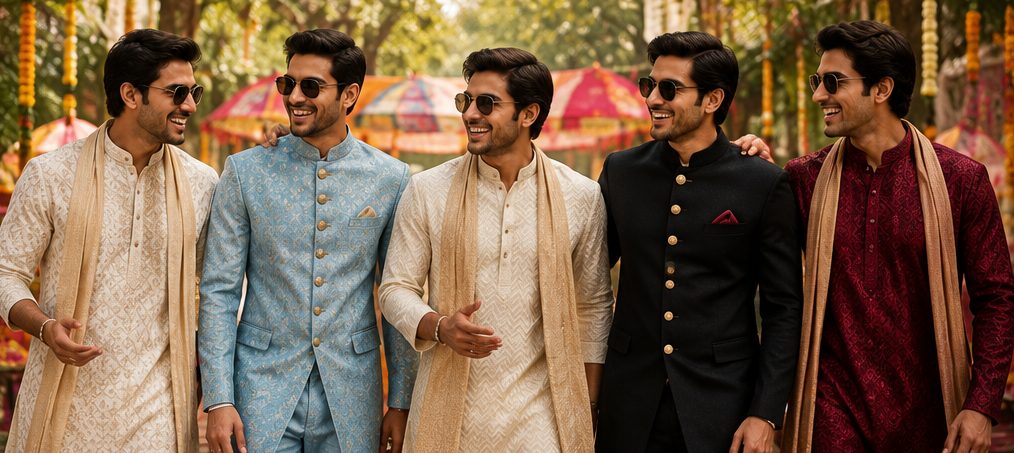
Men's fashion retailers have a unique opportunity to curate collections that align with these trends. By offering a range of garments like sky blue sherwanis for daytime elegance and black bandhgalas for evening sophistication, retailers can cater to the diverse needs of the festive season.
Visual storytelling plays a crucial role in conveying these trends. Imagery of festival-specific attire, showcasing how recommended palettes can be styled, offers inspiration. Highlighting accessories like marigold and gold pocket squares or stoles in close-up shots can demonstrate how subtle accents transform an outfit, adding layers of festive vibrancy.
As India embraces the festive season of 2026, the interplay of traditional colour symbolism and modern fashion trends creates a rich tapestry of expression. For men, selecting the right colours becomes an opportunity to honour cultural heritage while confidently stepping into contemporary style narratives.
Colourfestive menswear colourscolour trendsmenswear fashioncultural significancepersonal expression
Comments
No comments yet — start the conversation.