
Unexpected Elegance: Textured Layering for Fall
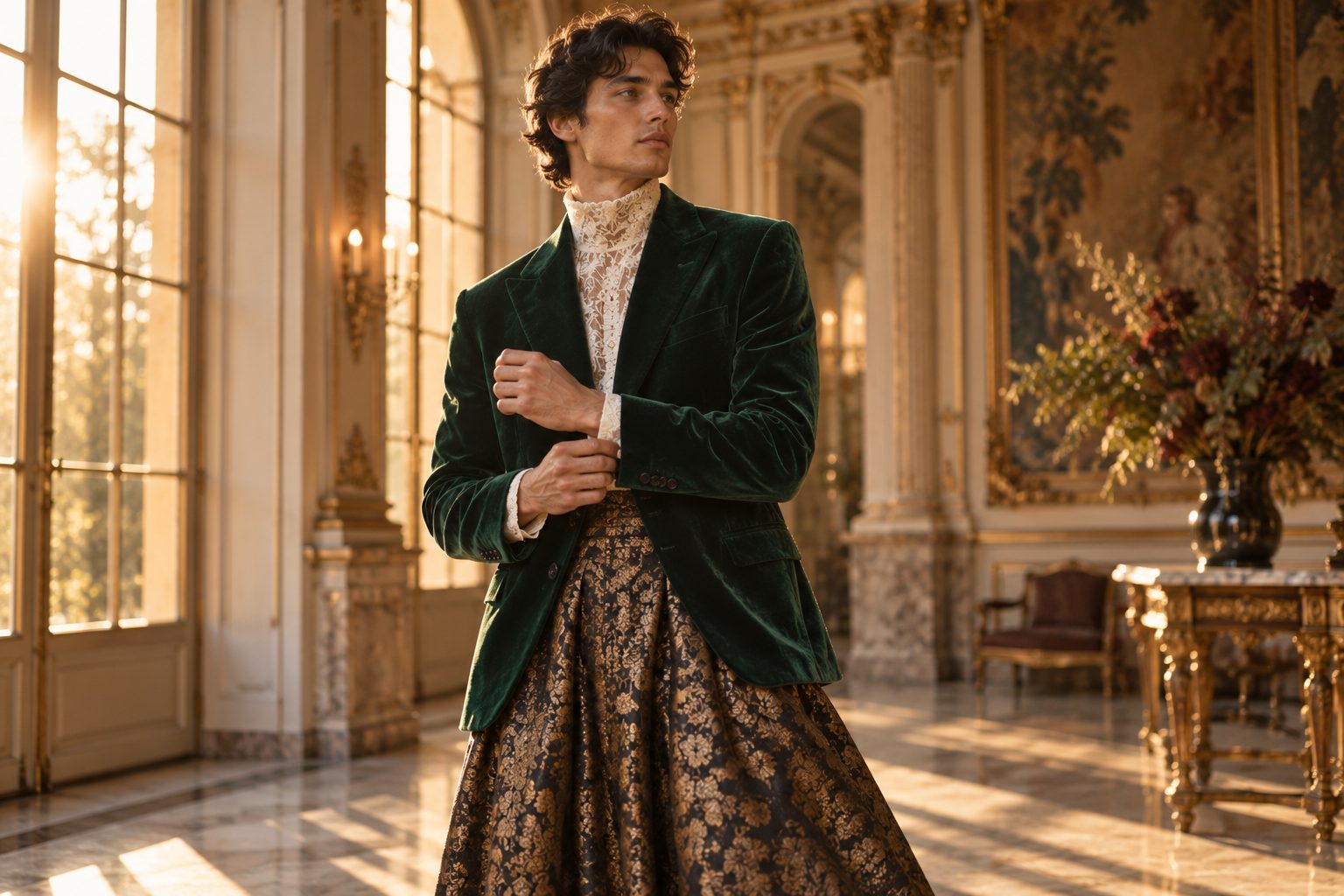
This Fall 2026 fashion season marks a bold departure from the minimalist trends of recent years, ushering in a new era of opulence defined by expressive layering. The focus is on the interplay of diverse textures, with designers artfully combining materials like velvet, lace, brocade, and faux fur to craft outfits that are both dimensional and tactile. This movement celebrates the artistry of fabric, weaving a narrative that is as much about cultural appreciation as it is about fashion.
Why This Matters Now
The shift towards rich textures and layered fabrics signals a renewed focus on depth and sophistication in fashion design. As the industry moves beyond the stark lines of minimalism, there is a burgeoning appreciation for craftsmanship and materiality.
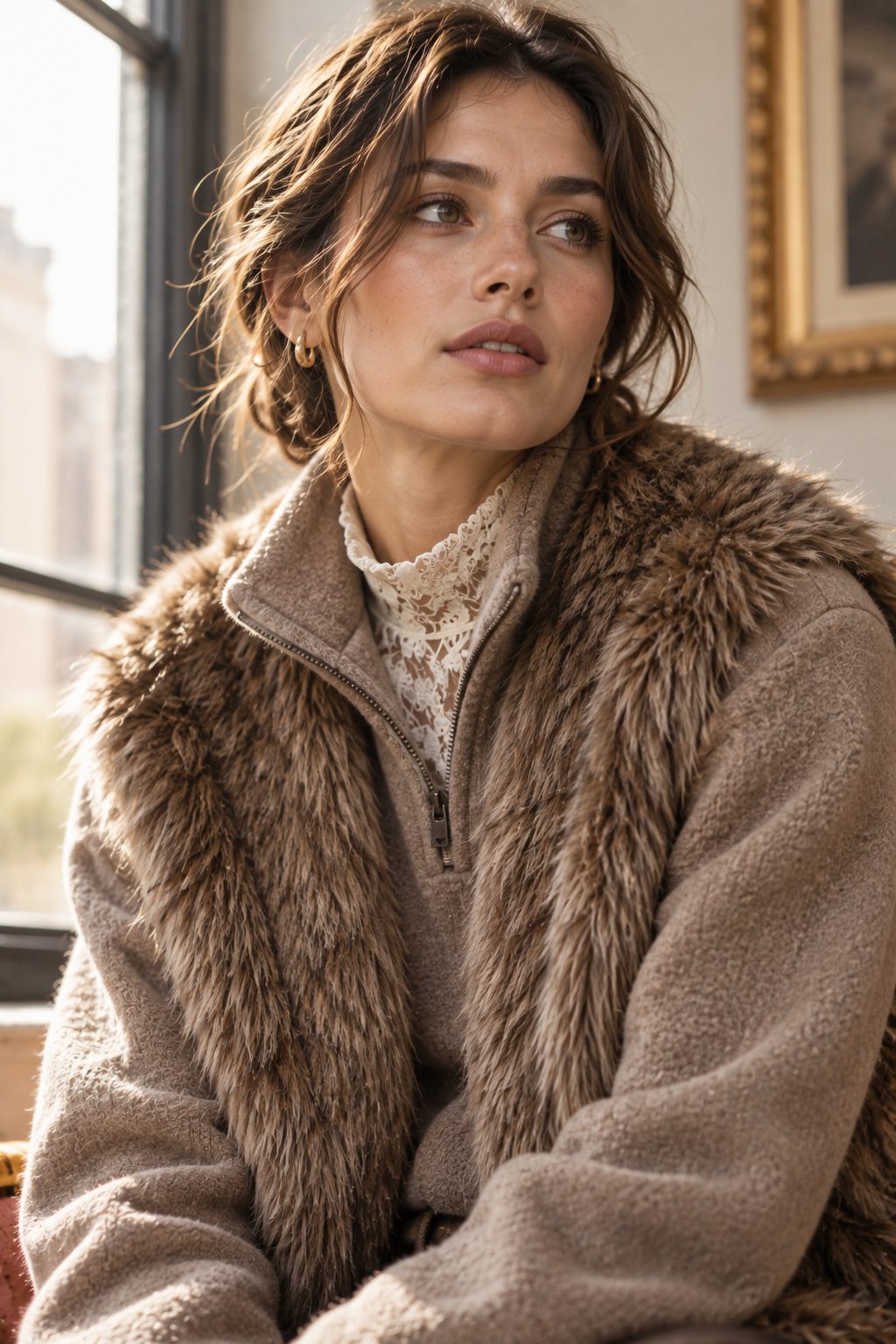
This trend provides consumers with fresh avenues to express individuality and elegance, breathing new life into classic wardrobe staples. By embracing mixed textures, fashion not only revitalizes traditional pieces but aligns with a broader cultural movement that values the artisanal quality and the stories imbued in fabric.
Key Developments in the Fashion Landscape
On August 19, 2026, Vogue featured the "Power of Styling," highlighting how designers like Prada and Loewe have demonstrated the transformative potential of layering. By pairing clean, minimalist silhouettes with rich textures, they have illustrated how styling can dramatically alter a wardrobe (source: Vogue).
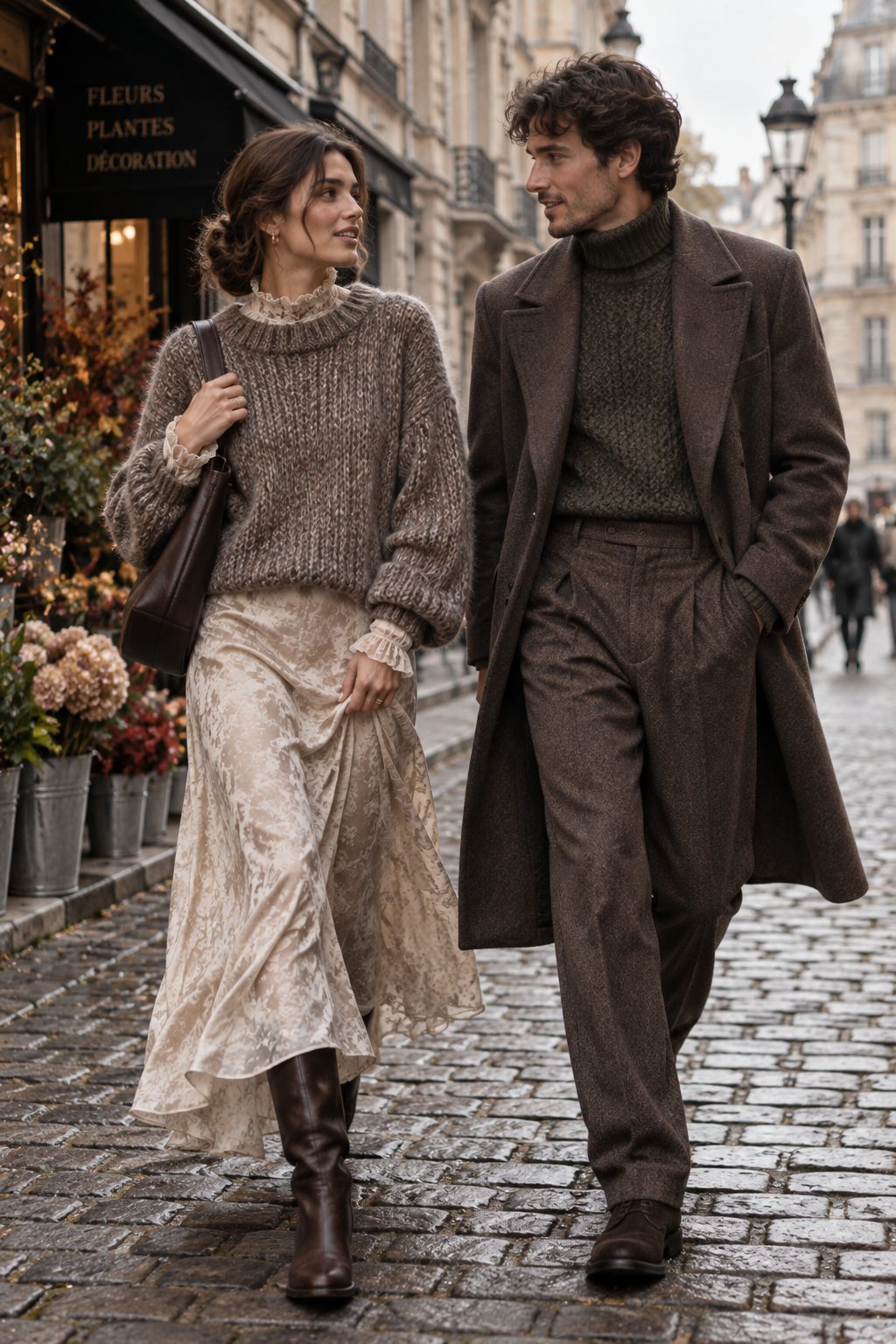
Just two days earlier, Marie Claire reported on the resurgence of tactile fabrics like brocade, faux fur, and velvet, emphasizing the trend of unexpected layering that blends everyday pieces to create dimension (source: Marie Claire). Meanwhile, the Promotional Products Association International noted that texture has become a headline for autumn apparel, with a marked shift toward fabrics with character, such as brushed fleece and sweater-knit materials.
Trend Origins and Designer Inspirations
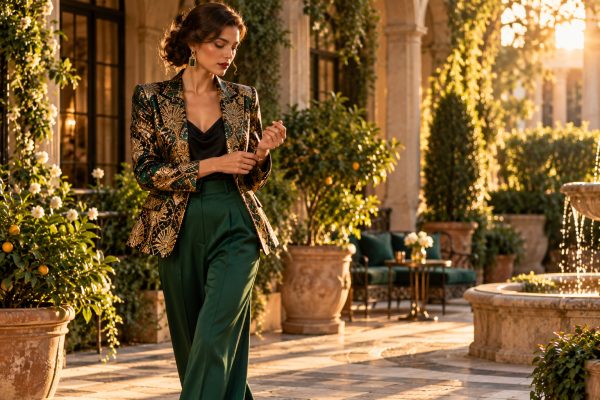
The origins of this trend can be traced back to the Fall/Winter 2026 collections of several influential designers. Prada's runway, for instance, featured layered basics that were transformed through unique pairings and unexpected accessories, showcasing the power of styling in creating dimensional looks. Dries Van Noten incorporated intricate floral brocades into outerwear and midiskirts, adding richness and depth to classic pieces. Similarly, Khaite embraced an Art Deco influence, introducing richly detailed textures and opulent eveningwear that contributed to the layered aesthetic.
Style Interpretation and Practical Application
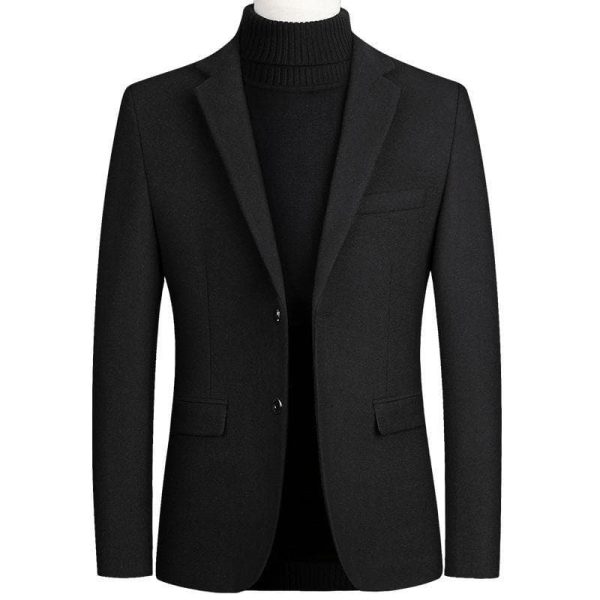
This trend invites a playful approach to fashion, encouraging the layering of diverse fabrics to create visually engaging ensembles. Consider pairing a structured wool blazer with a delicate lace blouse to soften the overall look. Alternatively, a velvet dress combined with a brocade coat adds depth and luxury. The key to mastering this trend lies in balancing textures to achieve a harmonious yet dynamic outfit.
For those looking to embrace this style, start with a statement piece, such as a brocade coat or a velvet turtleneck, and build around it with simpler staples like suede trousers or a lace-overlay gown. The beauty of this trend lies in its adaptability across climates; while heavier fabrics like wool and velvet are perfect for the cooler temperatures of the Northern Hemisphere, lighter layers such as silk and lace can be deftly combined in the Southern Hemisphere to create depth without excessive warmth.
The Cultural Impact and Market Context
The trend of textured layering extends beyond fashion, reflecting a deeper cultural shift towards valuing craftsmanship and narrative in textiles. Consumers are increasingly drawn to garments that offer more than just functionality; they seek pieces that resonate with their personal style and values, telling a story through their fabric and design.
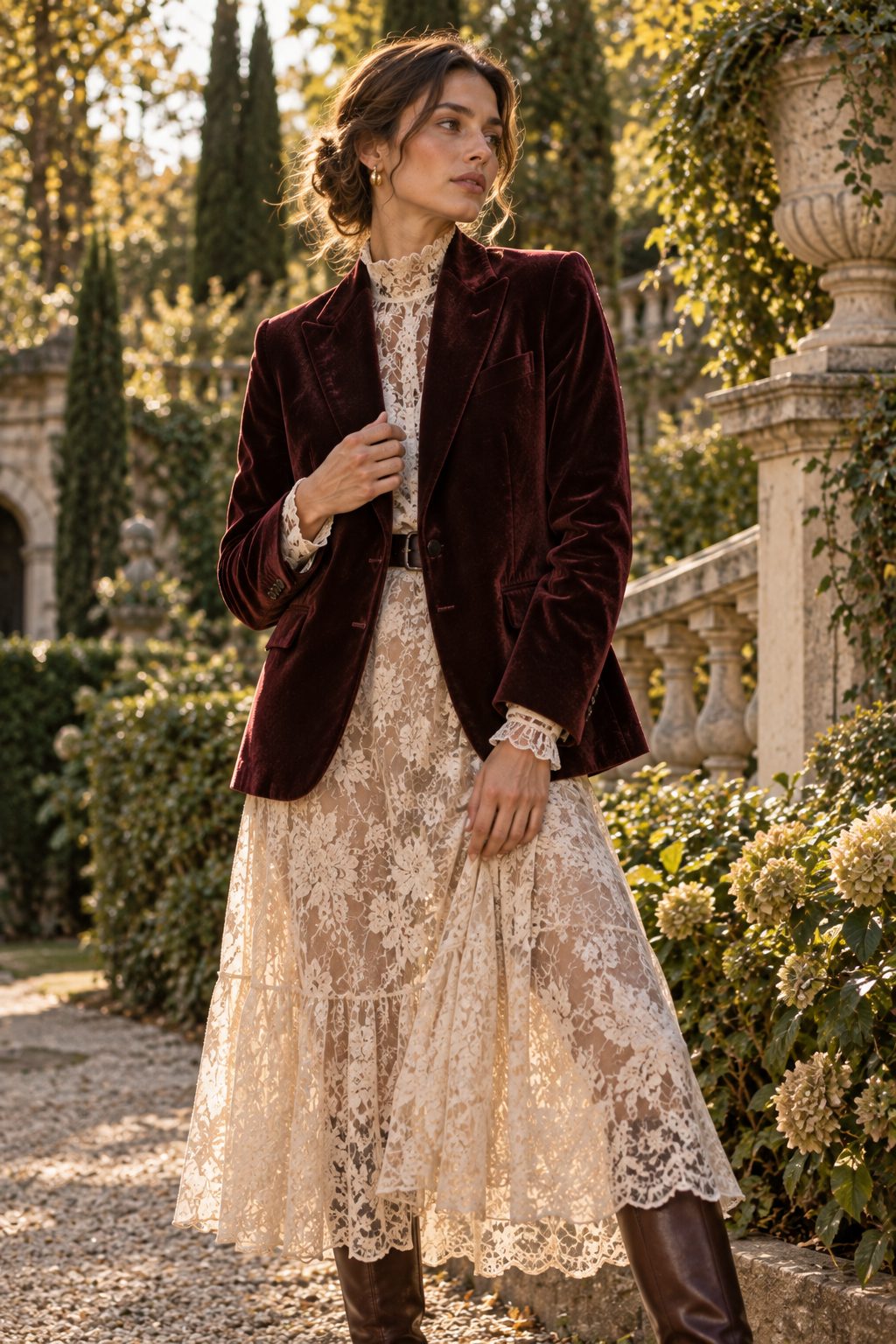
This trend has been enthusiastically embraced across major fashion markets, including the United States, Europe, and Asia. In these regions, the tactile appeal of these fabrics and the creative potential of layering have captured the interest of consumers seeking unique combinations that reflect personal style. As the fashion industry evolves, this focus on material richness and textural complexity is likely to shape future collections and influence consumer preferences.
Seasonal Relevance and Garment Types
In the Northern Hemisphere, the cooler fall and winter temperatures provide an ideal backdrop for the practical layering of heavier fabrics like wool, velvet, and brocade. In contrast, the trend can be adapted for milder climates in the Southern Hemisphere by layering lighter textures such as lace and silk. Key garment types that exemplify this trend include brocade coats, faux fur jackets, lace blouses, velvet turtlenecks, jacquard skirts, and velvet dresses.
Image Opportunities
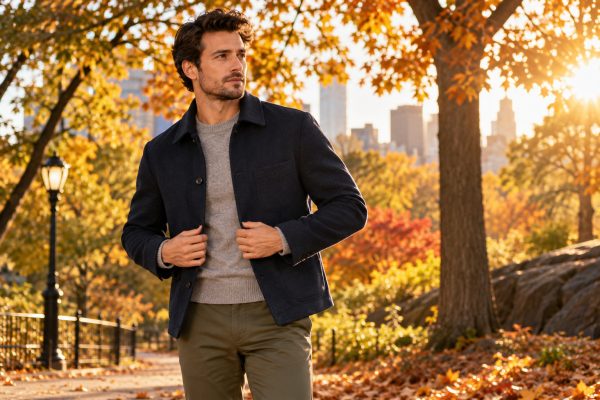
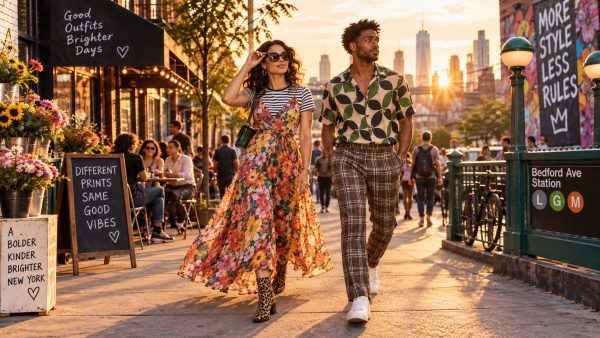
Visually capturing this trend can be achieved through close-up shots highlighting the interplay of different textures within a single outfit. Street style photography is also a powerful medium for showcasing individuals layering diverse fabrics in innovative ways, while runway images can offer insight into designers' interpretations of the mixed-texture layering trend.
Editorial Angle
Explore how the unexpected layering of textures is redefining fall fashion, offering readers practical tips on combining different fabrics to create dimensional and sophisticated looks. Highlight designer inspirations and provide insights into adapting runway trends for everyday wear, helping readers navigate this opulent trend with confidence and flair.
Style guidetextured layeringfall fashionrich fabricselegancefashion trends
Shop this story
Comments
No comments yet — start the conversation.