
The Return of Traditional Embroidery in Men's Festive Wear
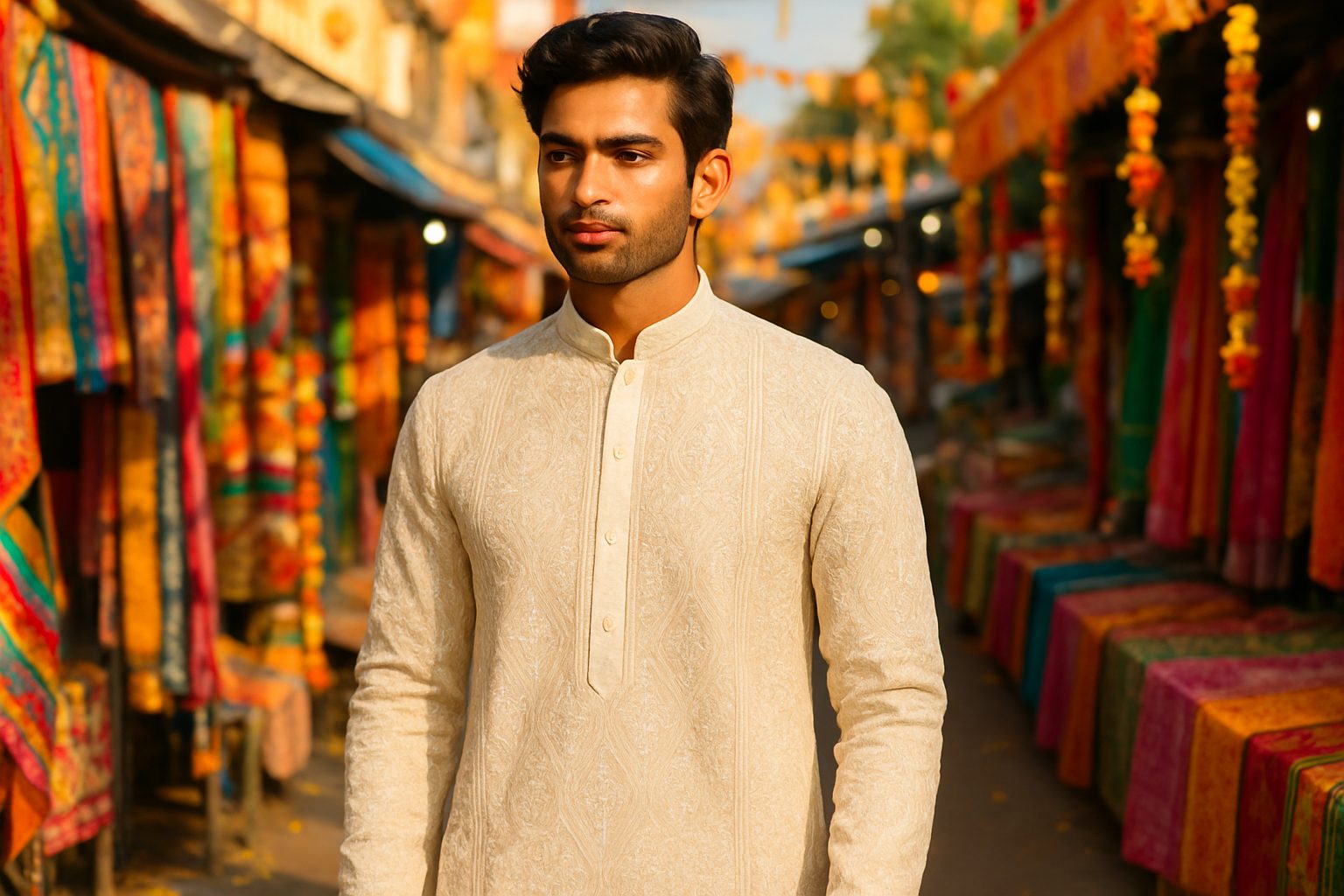
In the world of men's fashion, a quiet revolution is underway. As the frenzy of logo-dominated streetwear begins to wane, a new era of sartorial elegance emerges, guided by a reverence for craftsmanship and heritage. This shift is most evident in the resurgence of traditional embroidery in men's festive wear, where intricate designs become the hallmark of sophistication and cultural expression.
A Cultural Reawakening
Embroidery, a craft steeped in history, has found its way back into the limelight of menswear, revitalising wardrobes with a touch of cultural elegance. Unlike the transient appeal of mass-produced garments, embroidered pieces offer a tangible link to tradition and artistry. This trend is part of a broader movement towards artisanal craftsmanship, where the enduring appeal of handmade clothing resonates with modern consumers seeking authenticity.
In India, a country with a rich tapestry of embroidery techniques like Chikankari, Zardozi, and Kantha, this resurgence represents more than just a fashion statement. It is a celebration of cultural heritage and a commitment to preserving the intricate handwork of skilled artisans. By incorporating these time-honoured techniques into contemporary menswear, designers not only pay homage to tradition but also infuse modern styles with a sense of history and identity.
The Art of Embroidery in Modern Menswear
The appeal of embroidery lies in its versatility and depth. It can be as subtle as an intricate monogram on a cuff or as bold as elaborate patterns adorning an entire garment. Designers are reimagining traditional motifs, merging them with contemporary silhouettes to create pieces that speak to the modern man.
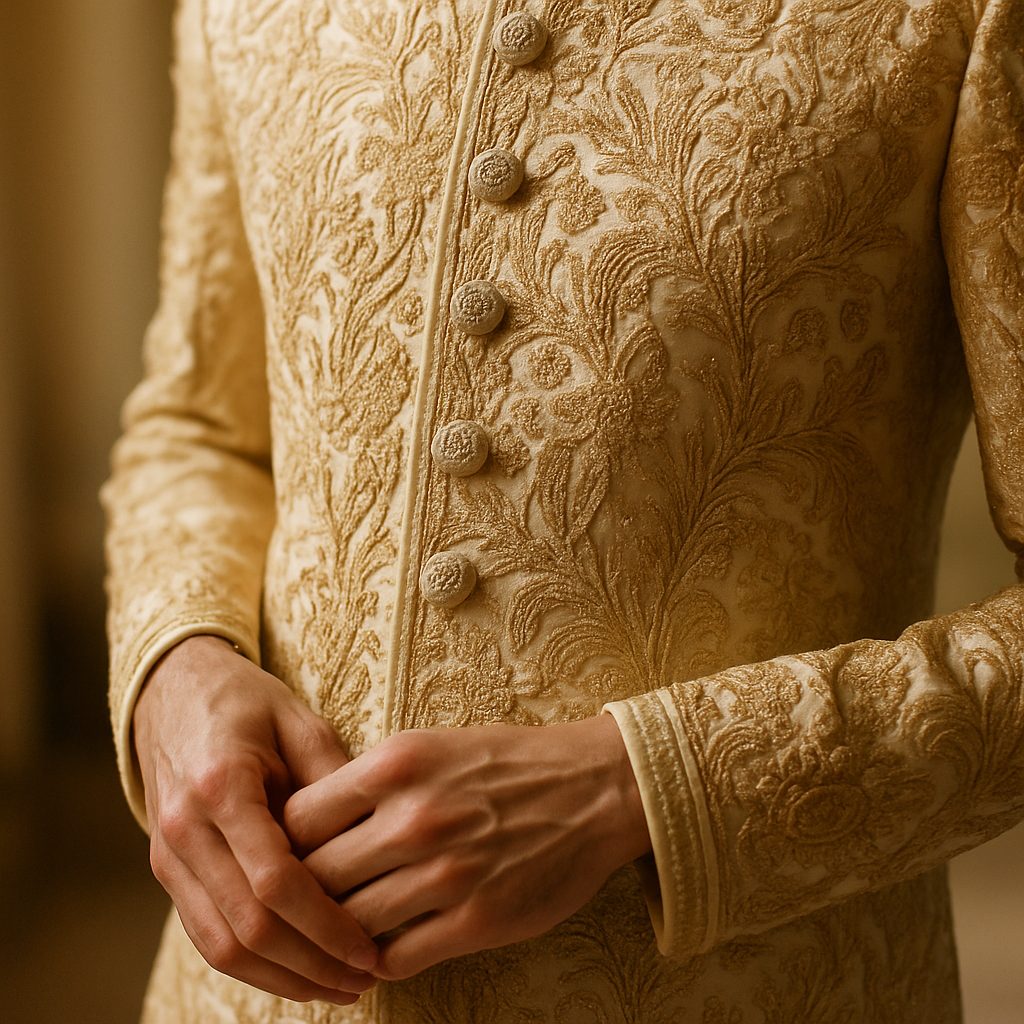
Take, for example, brands like Givenchy, which under Matthew M. Williams' vision, has redefined menswear archetypes through a modern lens, incorporating artisanal techniques that adapt traditional values to contemporary thinking. Similarly, Valextra's 'Journey of Craftsmanship' invites global artisans to reinterpret its designs, integrating culturally rich techniques such as mirrored sequin embroidery from India's Chanakaya atelier.
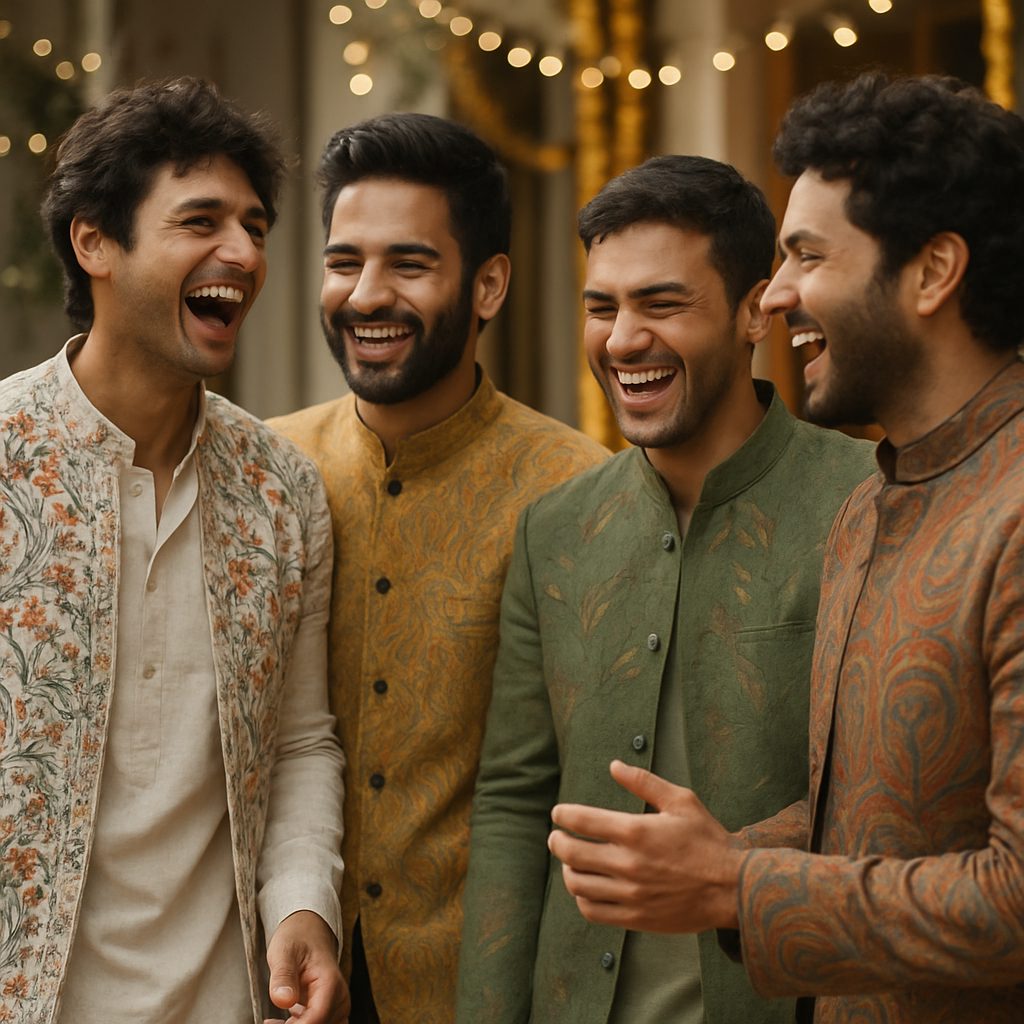
This fusion of old and new is not just about aesthetics; it represents a deeper movement towards sustainable fashion practices. By choosing handcrafted, small-batch clothing, consumers are supporting local artisans and reducing the environmental impact of fast fashion. It's a poignant reminder that fashion can be both beautiful and responsible.
Embroidered Elegance for Festive Occasions
As festive seasons approach, the demand for attire that balances elegance with cultural significance intensifies. Embroidered garments offer a distinct choice, allowing wearers to showcase both craftsmanship and heritage. The options are as varied as they are exquisite.
- Kurtas: Traditional Indian tunics adorned with intricate embroidery, ideal for festive gatherings.
- Sherwanis: Long, formal coats with elaborate embroidery, perfect for weddings and grand celebrations.
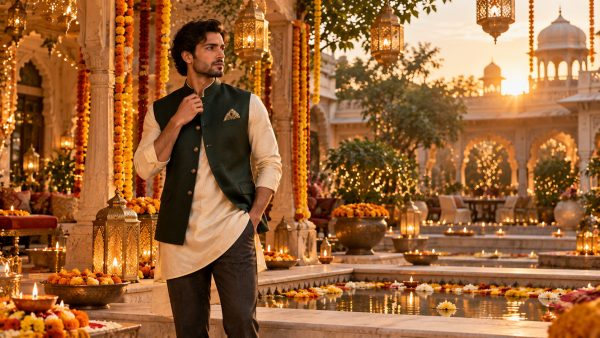
- Jackets: Modern blazers or Nehru jackets featuring subtle embroidered details, offering a fusion of traditional and contemporary styles.
- Accessories: Embroidered stoles, scarves, and pocket squares to complement festive attire, adding a touch of refined elegance.
The resurgence of traditional embroidery in men's festive wear is more than a trend; it's a cultural renaissance. It speaks to a longing for authenticity in an age of mass production, a desire for garments that tell a story and hold significance beyond the material. As we embrace these rich traditions, we not only honour our past but also shape a more thoughtful, sustainable future in fashion.
Occasiontraditional embroiderymen's fashionfestive wearcultural heritageartisanal craftsmanship
Shop this story
Comments
No comments yet — start the conversation.