
Capes Make a Comeback: Dramatic Style for Every Day
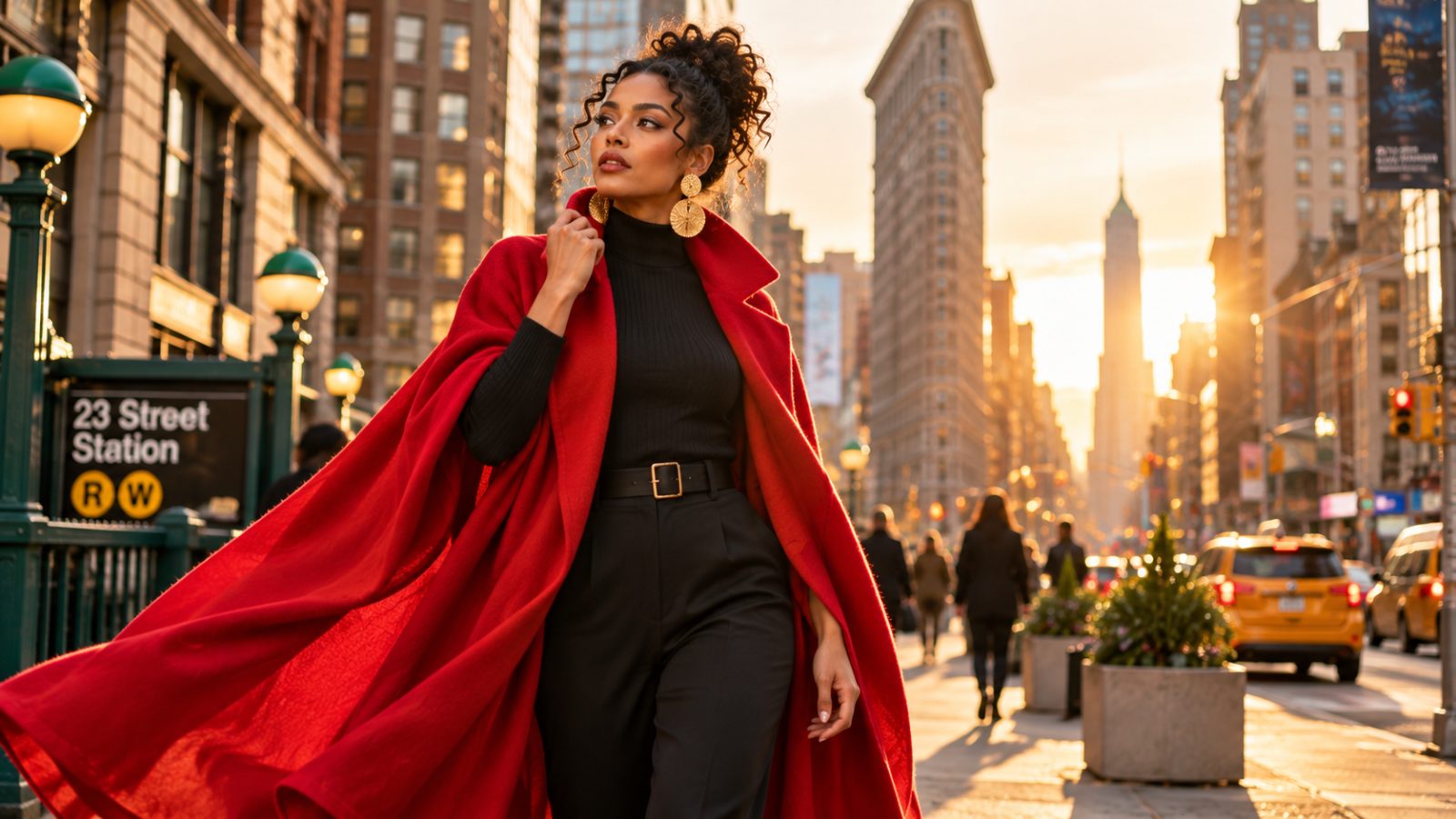
In the ever-evolving world of fashion, the cape has made a remarkable resurgence. Once a symbol of royalty and theatricality, this dramatic garment has returned to the contemporary style scene, captivating designers and fashion enthusiasts alike. With its potential to transform any outfit into a statement, the cape is now a staple for those seeking both elegance and practicality in their wardrobe.
The Cape's Renaissance
The revival of capes comes at a time when fashion is embracing bold silhouettes and expressive outerwear. This trend towards statement pieces is evident in the prominent inclusion of capes in the Spring 2026 runway shows of fashion powerhouses such as Dior, Celine, and Alaïa. These collections showcased innovative styles that blend the historical significance of the cape with modern design sensibilities, reintroducing it as a versatile option for the contemporary wardrobe.
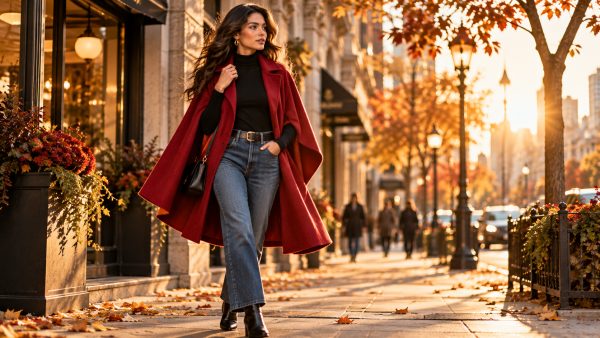
Beyond the runway, the cape has found favour in street style, particularly in fashion-forward locales such as New York's Upper East Side, where it is embraced as an elegant alternative to traditional coats. This adoption into everyday fashion underscores the cape's ability to meet both aesthetic and practical needs, making it an appealing option for fashion enthusiasts across the globe.
Why This Matters Now
The reemergence of capes aligns with the current fashion landscape's emphasis on bold silhouettes and expressive outerwear. As designers and consumers seek garments that combine functionality with flair, capes provide a unique solution that caters to both aesthetic and practical needs. This is not just about fashion; it's about redefining how we perceive outerwear, offering new possibilities for personal expression.
Styling the Modern Cape
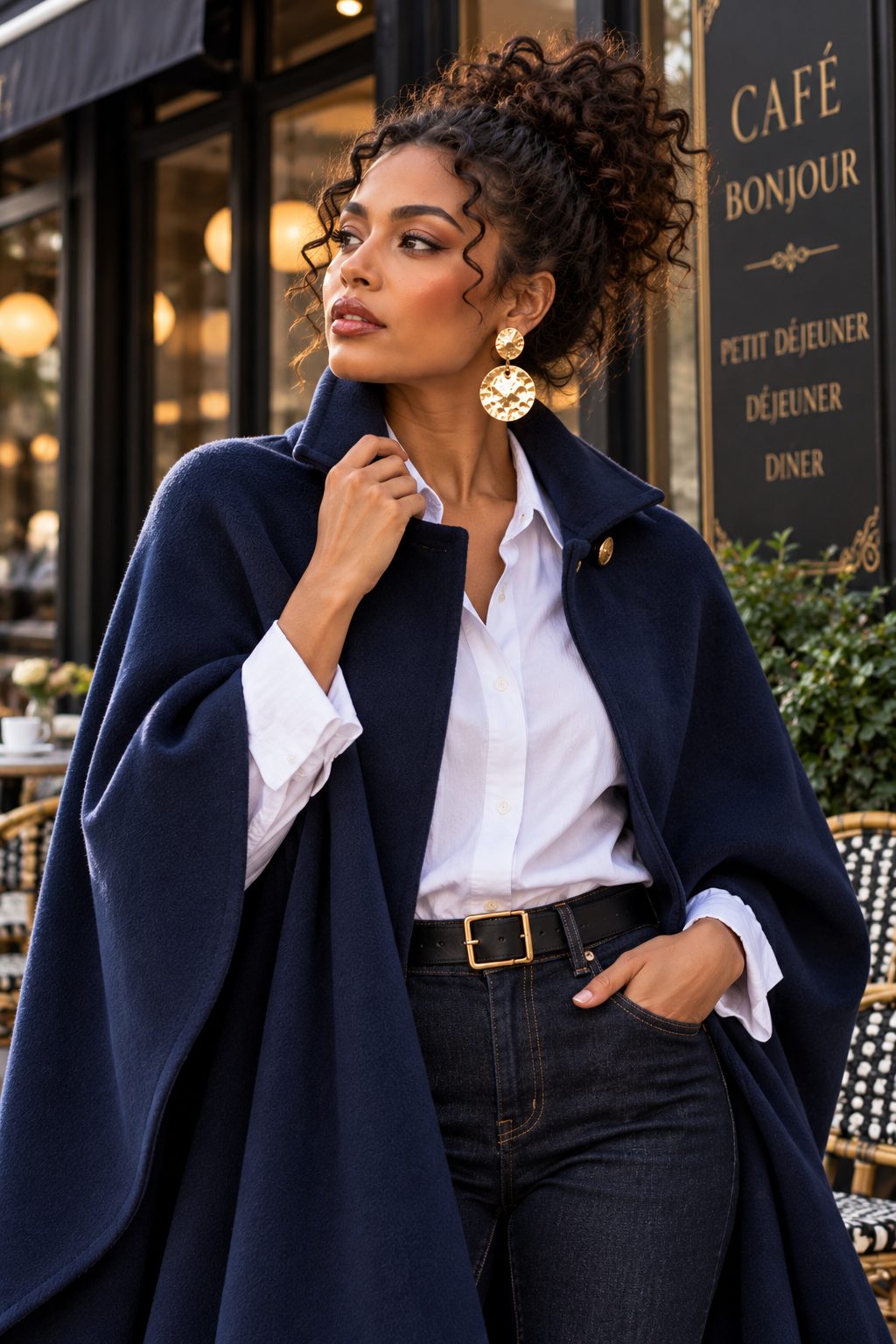
Today's capes are being adapted for diverse occasions, making them an incredibly versatile addition to any wardrobe. For casual wear, lightweight capes can be effortlessly layered over fitted turtlenecks and jeans, providing a polished yet relaxed look. This styling approach is perfect for those transitional months where temperatures fluctuate, offering both style and comfort.
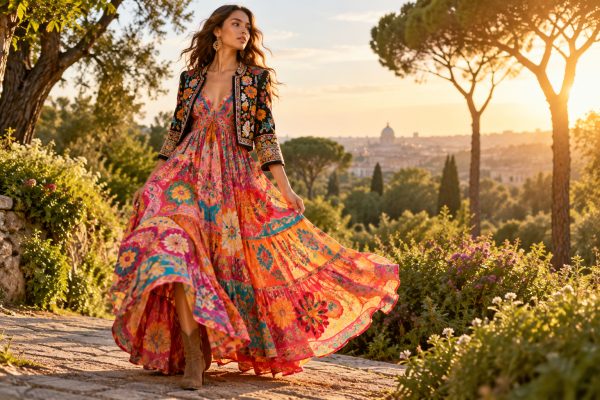
In more formal settings, flowing capes crafted from luxurious fabrics serve as elegant toppers for evening gowns, adding a touch of drama and sophistication to any ensemble. The cape's ability to elevate evening attire is unrivalled, making it a favourite among those looking to make a memorable entrance.
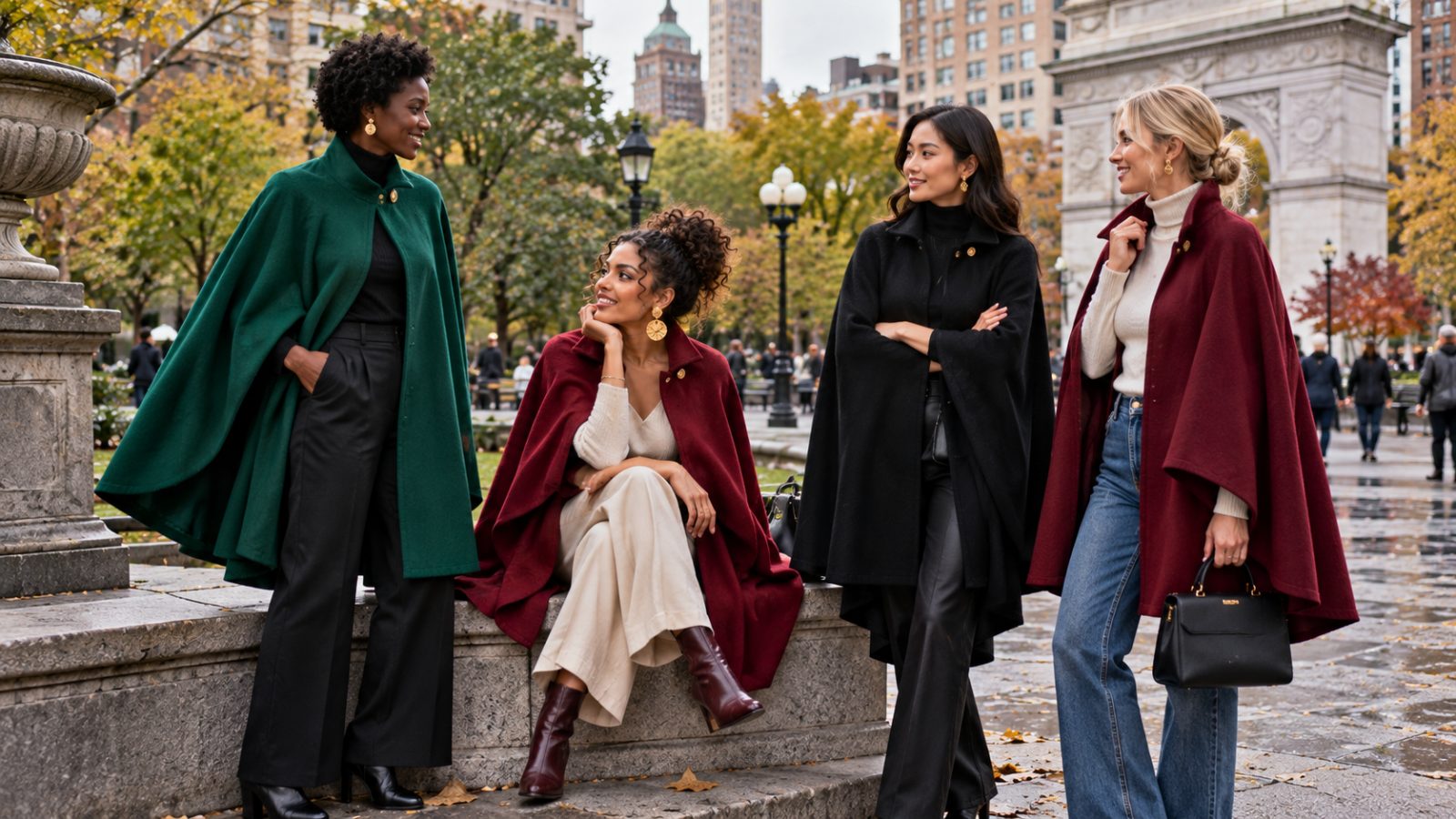
As a sophisticated layering piece, the cape provides warmth and style during cooler seasons. Whether opting for a traditional full-length cape or a more structured cape coat, this garment is an ideal choice for those seeking to combine function with flair in their outerwear.
Trend Origins
The current cape trend traces back to its historical associations with royalty and theatricality, reimagined by designers to suit modern tastes. The Spring 2026 collections of Dior, Celine, and Alaïa played pivotal roles in reintroducing capes, showcasing them in innovative styles that blend tradition with contemporary fashion. This ability to draw from the past while pushing forward is a key aspect of the cape's renewed popularity.
Global Appeal and Regional Adaptations
The cape trend has been embraced globally, with regional styles adding unique interpretations. In Europe, particularly Paris, capes have been reimagined to blend their historical roots with contemporary design, offering a chic and modern take on this classic garment. Meanwhile, in the United States, New York's fashion scene has seen capes adopted as a stylish alternative to more conventional outerwear, reflecting the city's love for bold fashion statements.
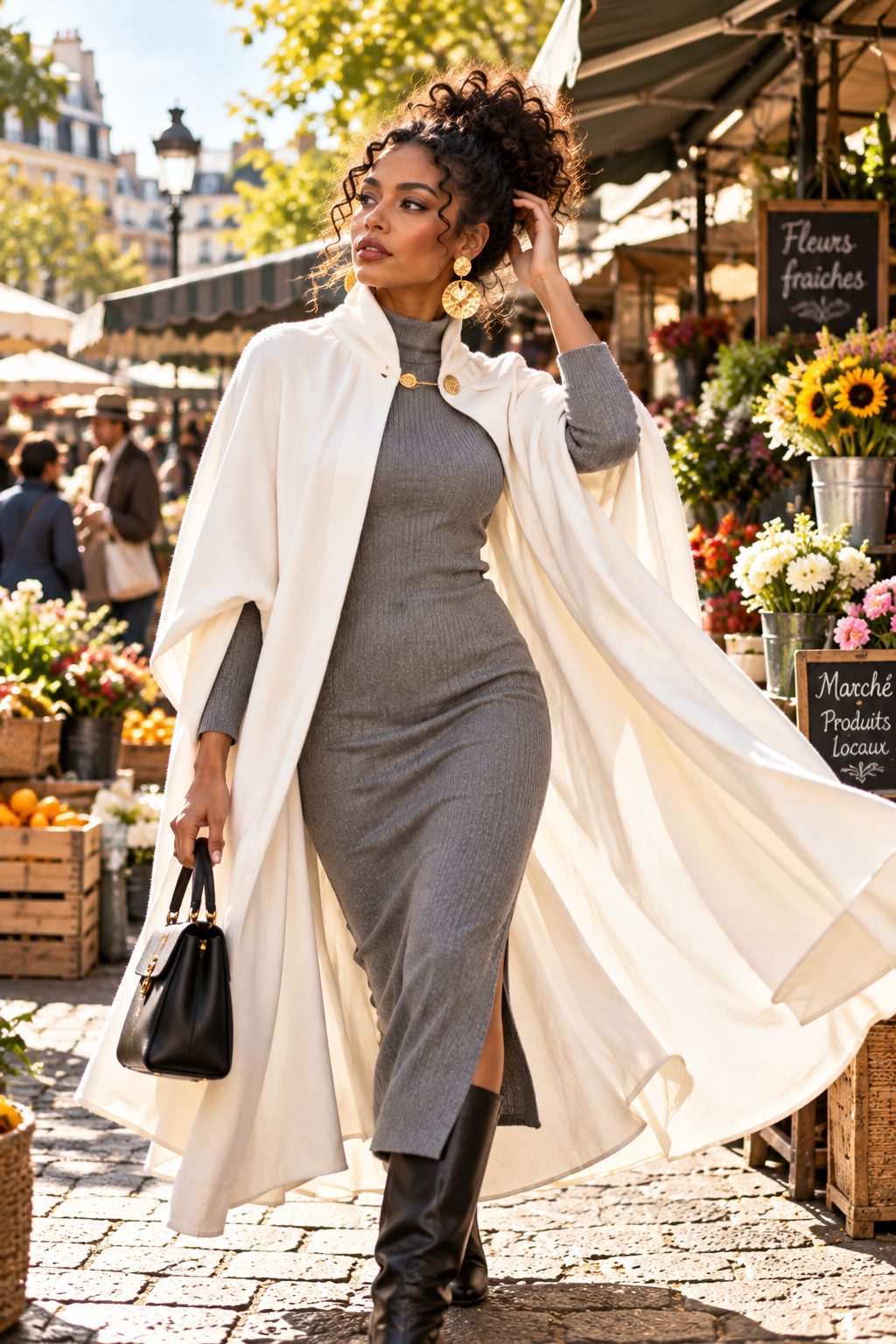
In the Middle East, the cape aligns perfectly with the preferences for modest yet elegant attire. Modest fashion enthusiasts have incorporated capes and ponchos into their wardrobes, demonstrating the garment's versatility and cultural adaptability. This global embrace of the cape trend highlights its universal appeal and ability to transcend cultural boundaries.
Seasonal Relevance
Capes are particularly suited for transitional seasons. In autumn and winter, heavier capes provide the necessary warmth while serving as a striking statement piece. Conversely, in spring, lighter capes offer a stylish solution for layering, perfectly suited for the changing temperatures. This seasonal adaptability ensures that the cape remains a fashionable choice year-round.
Garment Types
The cape trend encompasses various styles, including traditional capes, ponchos, and cape coats. Traditional capes are full-length garments that drape over the shoulders, often without sleeves, offering a classic silhouette. Ponchos, a simpler form of cape, typically feature a hole for the head and minimal shaping, providing a relaxed fit. Cape coats combine the structure of a coat with the flow of a cape, offering a sophisticated yet practical outerwear choice.
Image Opportunities
- Runway Highlights: Showcasing capes from recent collections of designers like Dior and Celine.
- Street Style: Photographs of individuals incorporating capes into everyday outfits, illustrating versatility.
- Historical References: Images depicting the evolution of capes from historical garments to modern fashion statements.
Editorial Angle
Exploring the resurgence of capes in modern fashion, this piece delves into their historical significance, contemporary interpretations, and practical styling tips. By examining runway trends, street style, and cultural influences, the article provides readers with a comprehensive understanding of how to incorporate capes into their wardrobes. The cape's journey from historical garment to modern fashion staple is a testament to the fashion industry's ability to reinvent and reinterpret the past for contemporary tastes. With designers and consumers alike embracing this dramatic piece, capes are set to remain at the forefront of fashion for seasons to come.
Trendscapesfashion trendsouterweardramatic stylemodern wardrobes

Comments
No comments yet — start the conversation.