
Flapper Flair Enters Modern Fashion
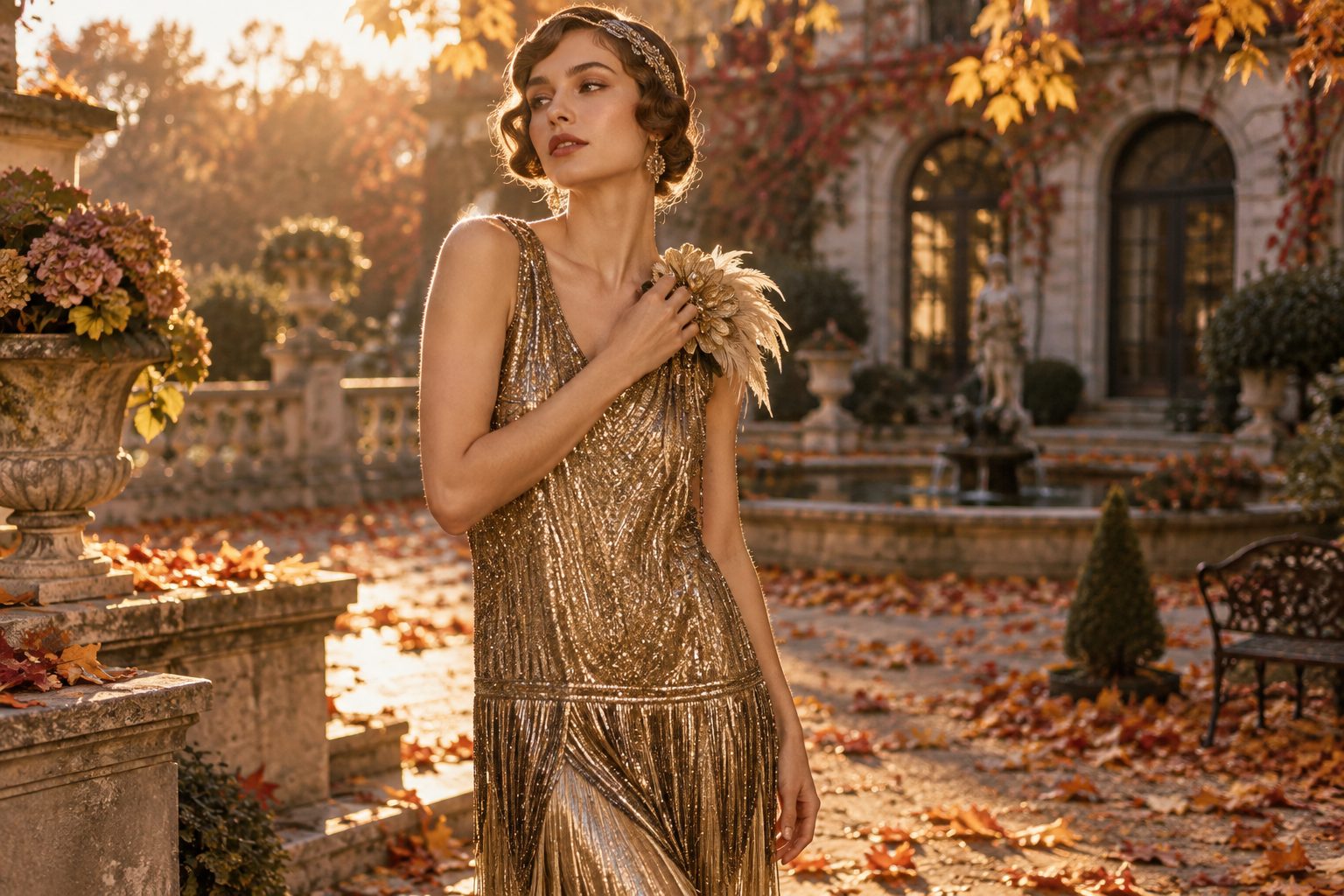
As we find ourselves in the midst of autumn 2026, the fashion world is stepping back in time, embracing the opulent allure of the 1920s. This season, designers have rekindled the exuberance of the Roaring Twenties, reviving its hallmark styles with a modern twist. It's a compelling blend of nostalgia and contemporary design, offering a sartorial escape into an era defined by a bold spirit and a quest for glamour.
Reimagining the Roaring Twenties
The 1920s were a time of profound change and liberation in fashion, marked by the iconic flapper style that symbolised freedom and rebellion against traditional norms. This autumn, designers are channelling that same spirit, but with a fresh perspective that speaks to today's culturally fluent audience.
At the forefront of this revival is Chanel's Fall-Winter 2026 collection, where Matthieu Blazy reimagined the "La Garçonne" style. His drop-waisted dresses and boxy blazers, infused with feather floral brooches and metallic detailing, seamlessly blend vintage charm with contemporary flair. These garments evoke the carefree spirit of the flapper era while incorporating modern elements like metallics that catch the light, adding to their allure on the runway and beyond.
Meanwhile, Ferragamo's nod to the 1920s speakeasy culture, under the creative direction of Maximilian Davis, celebrates tailored outerwear and molten gold dresses that echo the glamour of Hollywood's golden age. The collection captures the essence of clandestine luxury, with luxurious fabrics and silhouettes that appear both rebellious and sophisticated, a nod to the secretive allure of speakeasies.
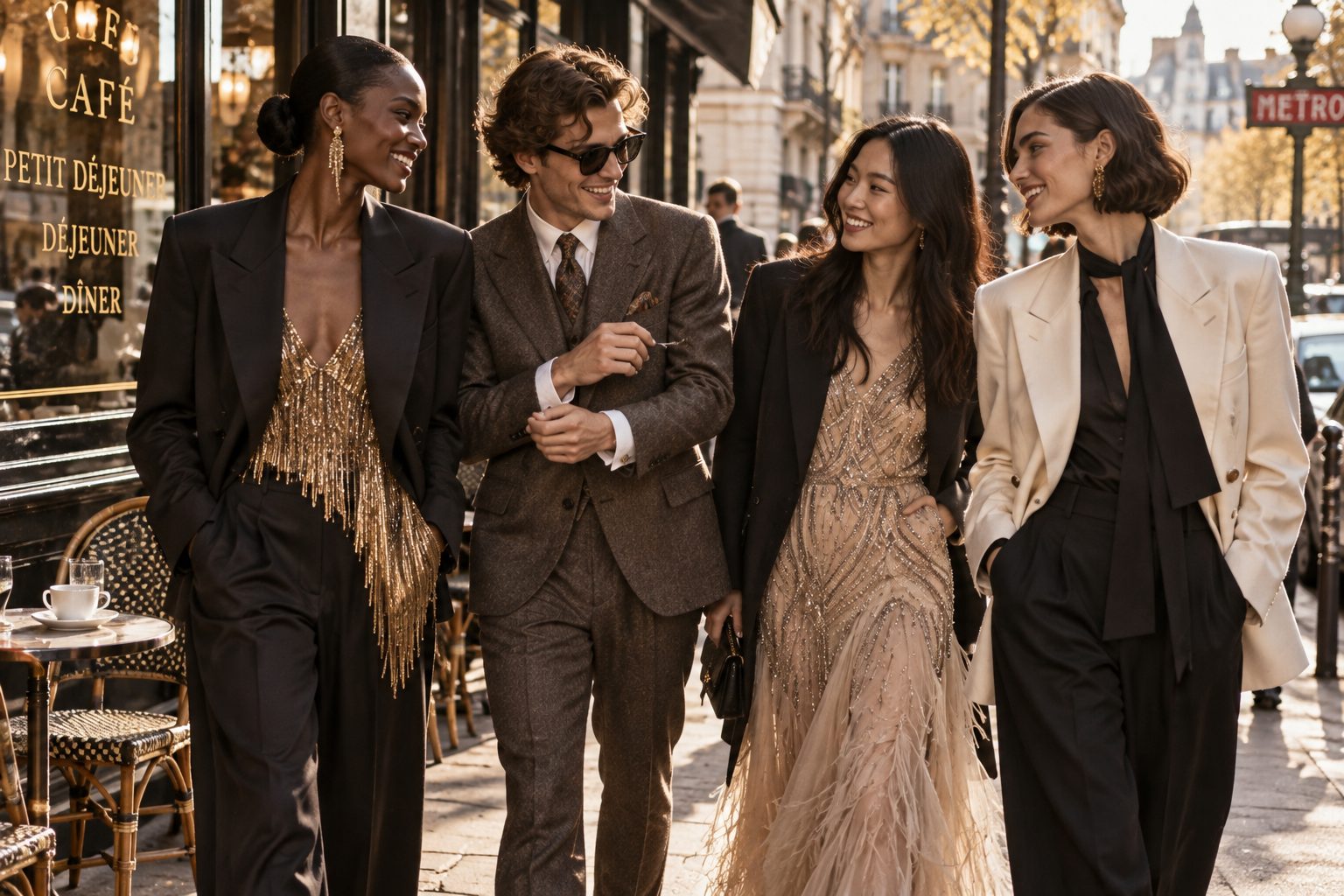
Zimmermann's Paris Fashion Week presentation added another dimension to this trend, drawing inspiration from the trailblazing women of the 1920s. The collection artfully blends feminine silhouettes with menswear codes, creating a mood of optimism and confidence. This blend of styles serves as a testament to the versatility of 1920s fashion, offering silhouettes that are as relevant today as they were a century ago. The juxtaposition of delicate lace with structured tailoring not only highlights the duality of femininity and strength but also speaks to a modern audience eager for versatility in their wardrobes.
The Modern Take on Vintage Elegance
Today's designers are not merely replicating the past; they are reinterpreting it for the modern wardrobe. The key to this trend's resurgence lies in the delicate balance between historical reference and modern practicality. For instance, drop-waisted dresses are updated with current fabrics and precise cuts, making them suitable for both formal occasions and casual outings. The use of lightweight, breathable materials ensures these garments are comfortable while retaining their signature 1920s aesthetic.
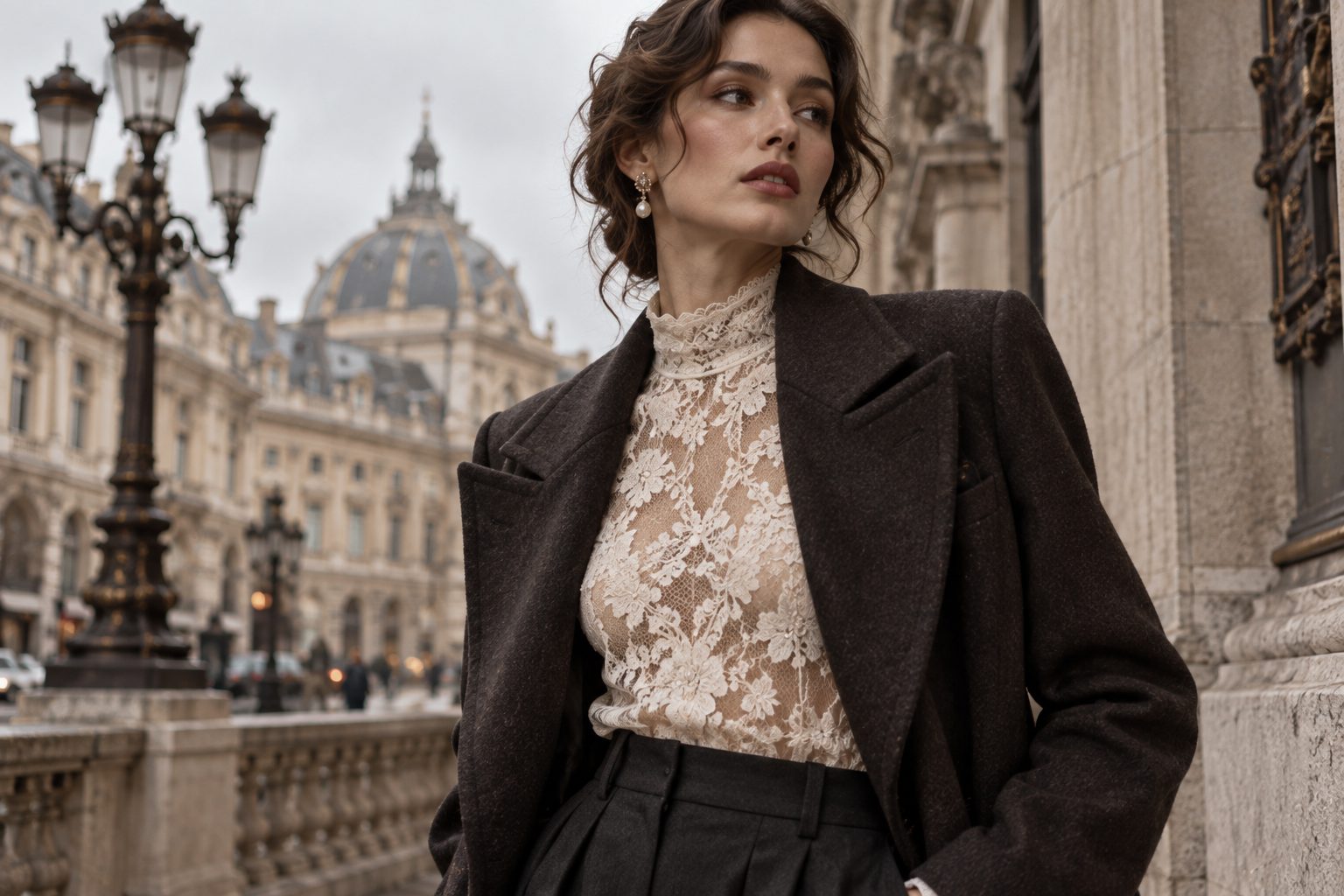
The appeal of this trend is universal, transcending geographical boundaries and seasonal constraints. In the colder climates of the Northern Hemisphere, the rich textures and layered styles of 1920s fashion provide both warmth and elegance. Think velvet coats, beaded dresses, and tailored outerwear that exude sophistication while offering practicality. Conversely, in the Southern Hemisphere, particularly in regions like Australia, the trend adopts lighter fabrics and breezier silhouettes, making it perfectly adaptable to springtime conditions.
Accessories, too, play a pivotal role in this resurgence. Pearl necklaces, T-bar shoes, and cloche hats add a touch of authenticity to the look, while lending a playful nod to the past. These elements allow fashion enthusiasts to experiment with the trend in subtle yet impactful ways. The integration of these accessories provides a seamless bridge between eras, inviting wearers to explore their personal style narratives while engaging with historical aesthetics.
The Timeless Appeal of 1920s-Inspired Fashion
The 1920s-inspired fashion trend is not just a fleeting moment in the fashion calendar; it reflects a deeper cultural longing for escapism and celebration. As we emerge from periods of restraint, there is a collective desire to express individuality and embrace the joy of dressing up. This trend captures that desire, offering a sartorial celebration that resonates across demographics and markets.
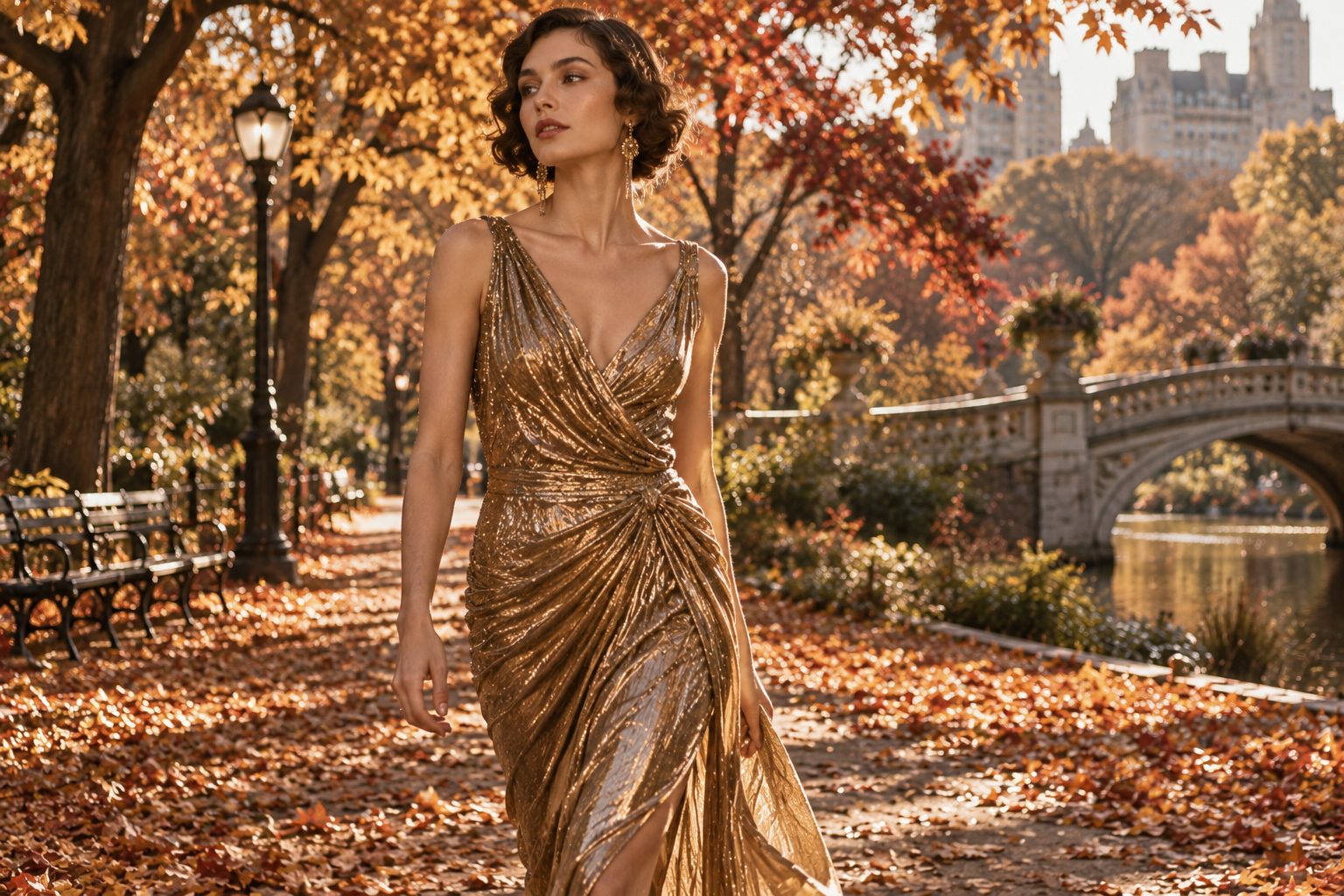
In Europe, where opulence often takes centre stage, designers lean into the luxurious elements of the trend, favouring rich fabrics and intricate embellishments. Meanwhile, in the US, practicality and everyday wearability are more pronounced, with collections that seamlessly integrate 1920s elements into contemporary contexts. This adaptability ensures that the trend is accessible to a broad range of consumers, allowing for personal interpretations that suit diverse lifestyles.
Ultimately, the revival of 1920s fashion is a testament to the enduring appeal of its aesthetics and the fashion industry's ability to reinterpret and innovate. As we don our drop-waisted dresses and tailored blazers, we are reminded of the power of fashion to transcend time, offering both a nostalgic journey and a forward-looking vision. The blending of past and present not only enriches our wardrobes but also encourages a deeper appreciation for the evolution of style and the role it plays in our daily lives.
Cultureflapper fashion1920s stylemodern designautumn fashionvintage influence
Comments
No comments yet — start the conversation.