
Gender-Fluid Fashion: Redefining Style Norms
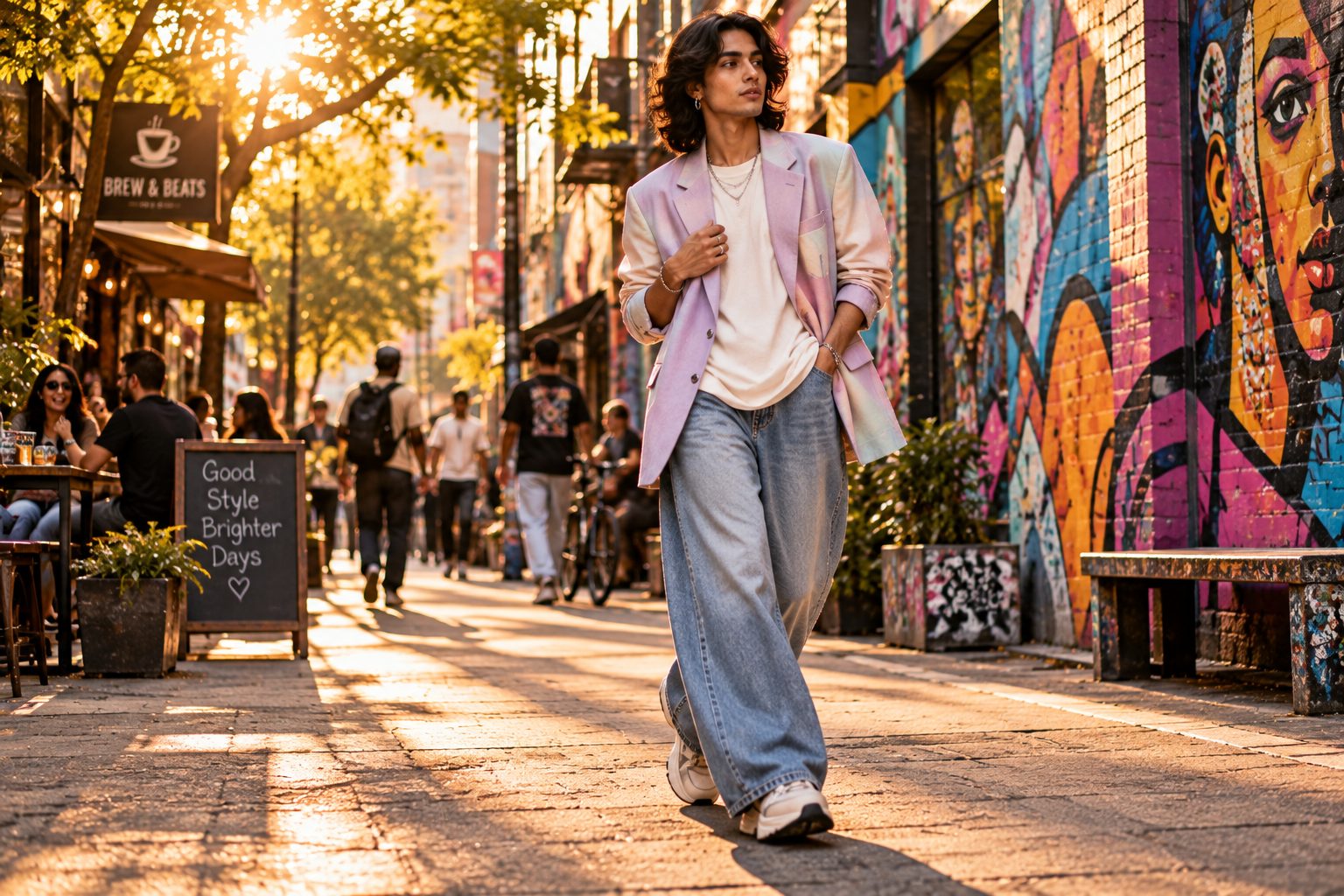
In a world increasingly embracing diversity and inclusivity, gender-fluid fashion is leading a sartorial revolution. As traditional gender norms blur, fashion finds itself at the forefront of this cultural shift, offering styles that defy categorization. This trend is not merely about aesthetics; it reflects broader societal changes towards gender inclusivity, challenging long-standing norms and reshaping the landscape of consumer behavior and market strategies.
Challenging Traditional Norms
The rise of gender-fluid fashion is emblematic of a significant cultural shift. The March 2026 Columbia Business School study highlights a fascinating dynamic: while gender-fluid fashion predominantly features masculine styles, the primary consumers are women and non-binary individuals. This suggests a market eager to transcend outdated gender binaries, finding freedom in styles traditionally reserved for the opposite sex. The presence of masculine elements in gender-fluid fashion could be interpreted as a reflection of existing societal power dynamics, where traditionally male-associated styles are perceived as more authoritative or universally acceptable.
The fashion industry, historically entrenched in gender-specific categories, faces new challenges in adapting to this trend. As Vogue reported in June 2023, retailers are grappling with how to merchandise gender-fluid clothing effectively. This shift requires a departure from the rigid male and female categories that have long defined the retail space, urging a reimagination of how clothing is perceived, marketed, and consumed.
Cultural Influences and Market Dynamics
Major fashion houses are increasingly incorporating gender-fluid designs into their collections, reflecting both market demand and cultural movements. Gucci, for instance, introduced the "MX" tab on its website, featuring accessories and ready-to-wear items with an all-gender focus. This move underscores a commitment to inclusivity, aligning with the broader cultural trend of embracing gender non-conformity. Such initiatives by fashion giants not only set a precedent but also signal to consumers that inclusivity is a core value in the modern fashion landscape.
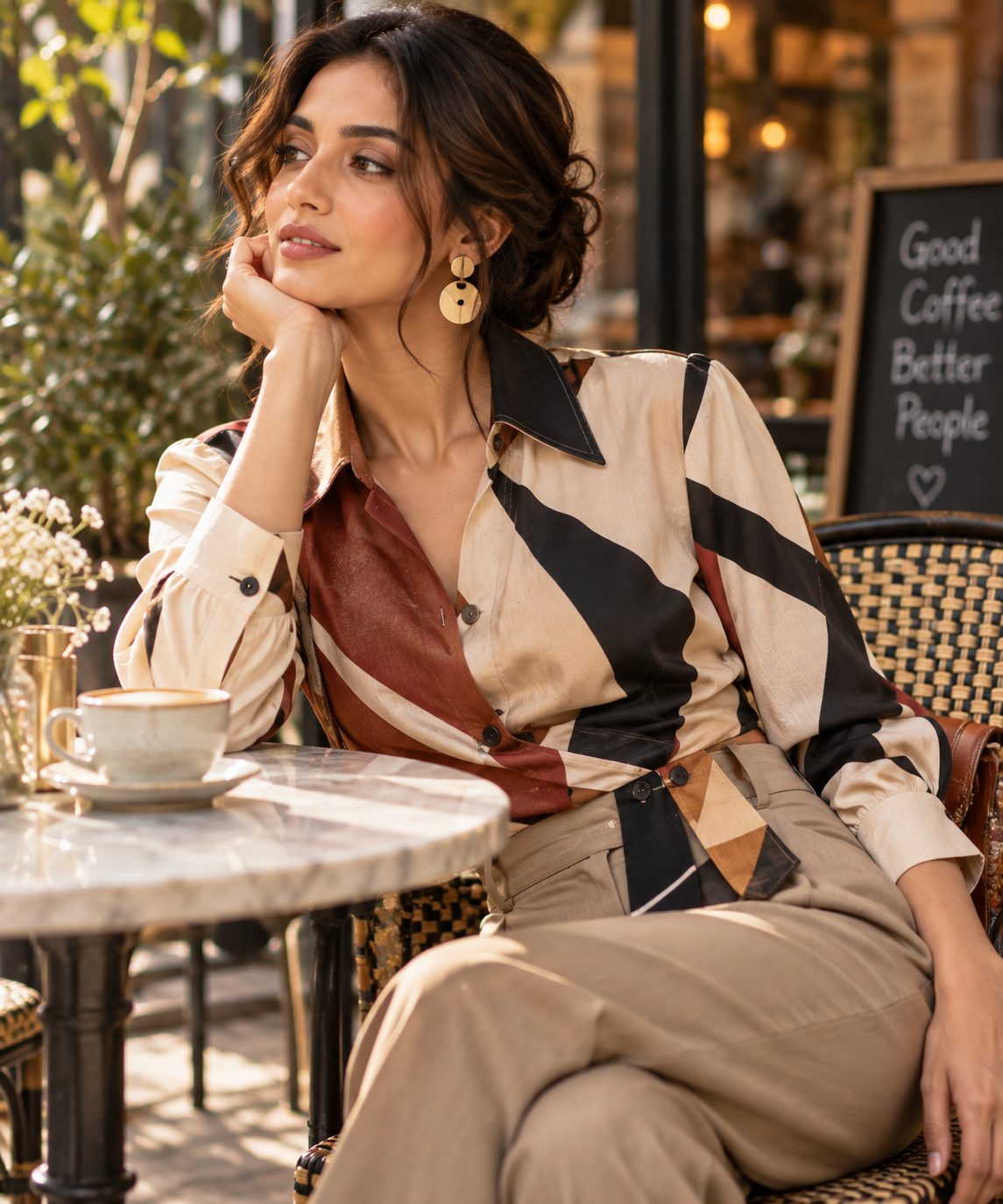
Designers like Ludovic de Saint Sernin have been pivotal in this movement, reinterpreting legacies such as Jean Paul Gaultier's with collections steeped in eroticism and queer aesthetics. These collections celebrate diversity and challenge the power dynamics traditionally associated with masculine styles, offering a fresh perspective that resonates with a diverse audience.
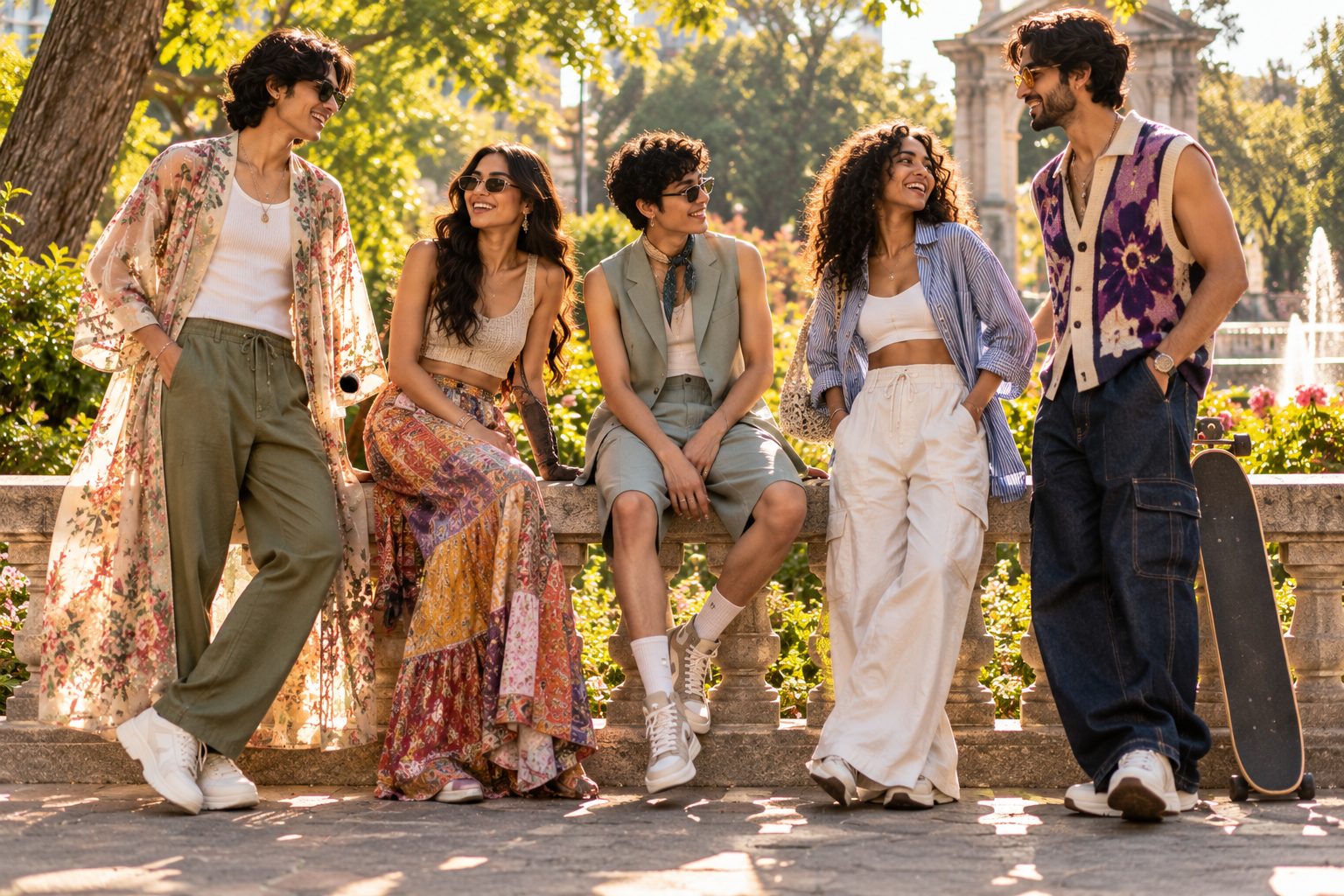
The acceptance of gender-fluid fashion varies globally. In the United States and Europe, there's a growing embrace of this inclusive approach, particularly among younger consumers who highly value self-expression and authenticity. In contrast, parts of Asia and the Middle East show slower adoption due to entrenched traditional norms, though urban centers are witnessing a gradual shift towards more inclusive fashion choices. This regional divergence highlights the complex interplay between cultural norms and fashion trends.
The Aesthetic of Gender Fluidity
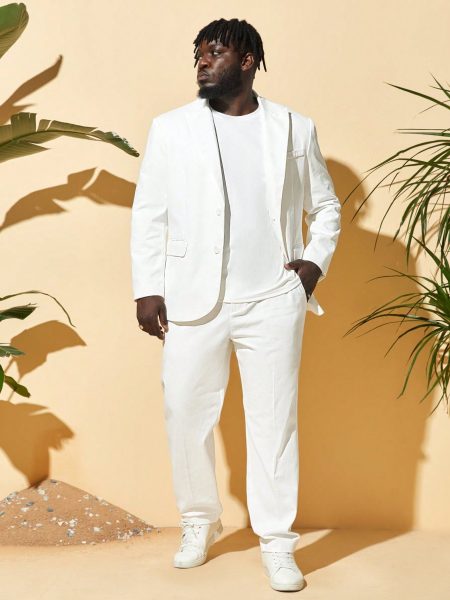
At its core, gender-fluid fashion is about versatility and inclusivity. It blends traditionally masculine and feminine elements, offering a cohesive, non-binary aesthetic. The use of neutral color palettes and unstructured silhouettes provides a canvas that transcends traditional gendered garment classifications. This aesthetic approach not only broadens the spectrum of fashion but also invites individuals to explore personal style without the constraints of gender norms.
- Tailored Suits: Designed with unisex cuts and neutral colors, these garments offer a sleek yet adaptable choice for any occasion, embodying the principle of practicality meeting elegance.
- Oversized Shirts and Sweaters: These pieces provide comfort with a relaxed fit, enabling a seamless blend into any wardrobe while offering an effortless style statement.
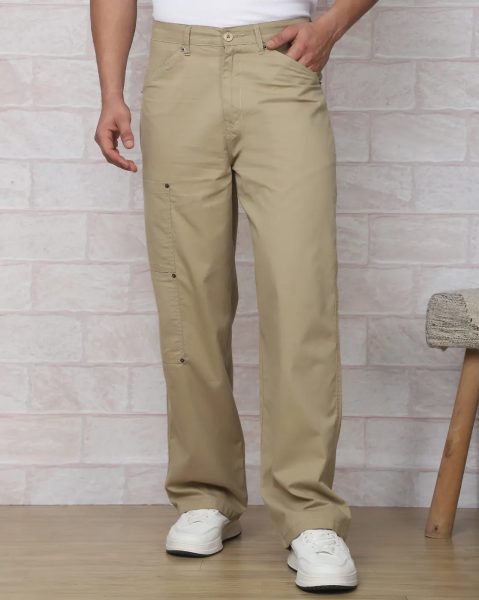
- Wide-Leg Trousers: Offering a versatile silhouette, these trousers cater to all genders, embodying the essence of fluid fashion with their adaptable fit and timeless appeal.
- Footwear: Loafers, sneakers, and boots designed without gender-specific detailing complete the ensemble, ensuring a fluid head-to-toe look that is both practical and stylish.
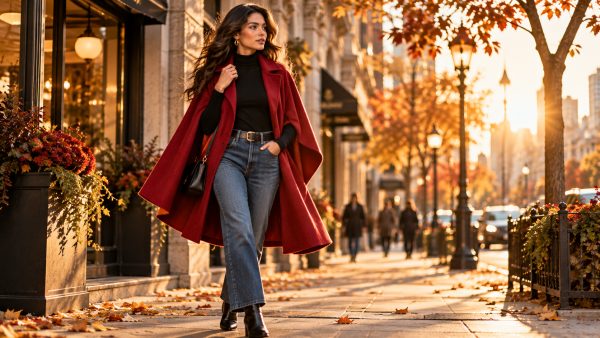
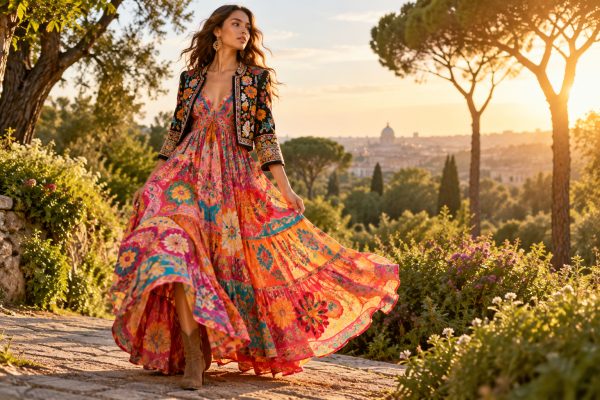
Runway shows and street style photography further illuminate the trend. Designers such as Alessandro Michele at Gucci have been pioneers, consistently presenting collections that defy traditional gender constructs. These collections often feature a blend of textures, patterns, and silhouettes that blur the lines between traditionally gendered apparel. Meanwhile, cultural icons like Timothée Chalamet and Harry Styles elevate the conversation by using public appearances to challenge and redefine what gendered fashion can look like. Their fearless approach to style serves as an inspiration for many, encouraging a broader acceptance of gender fluidity in fashion.
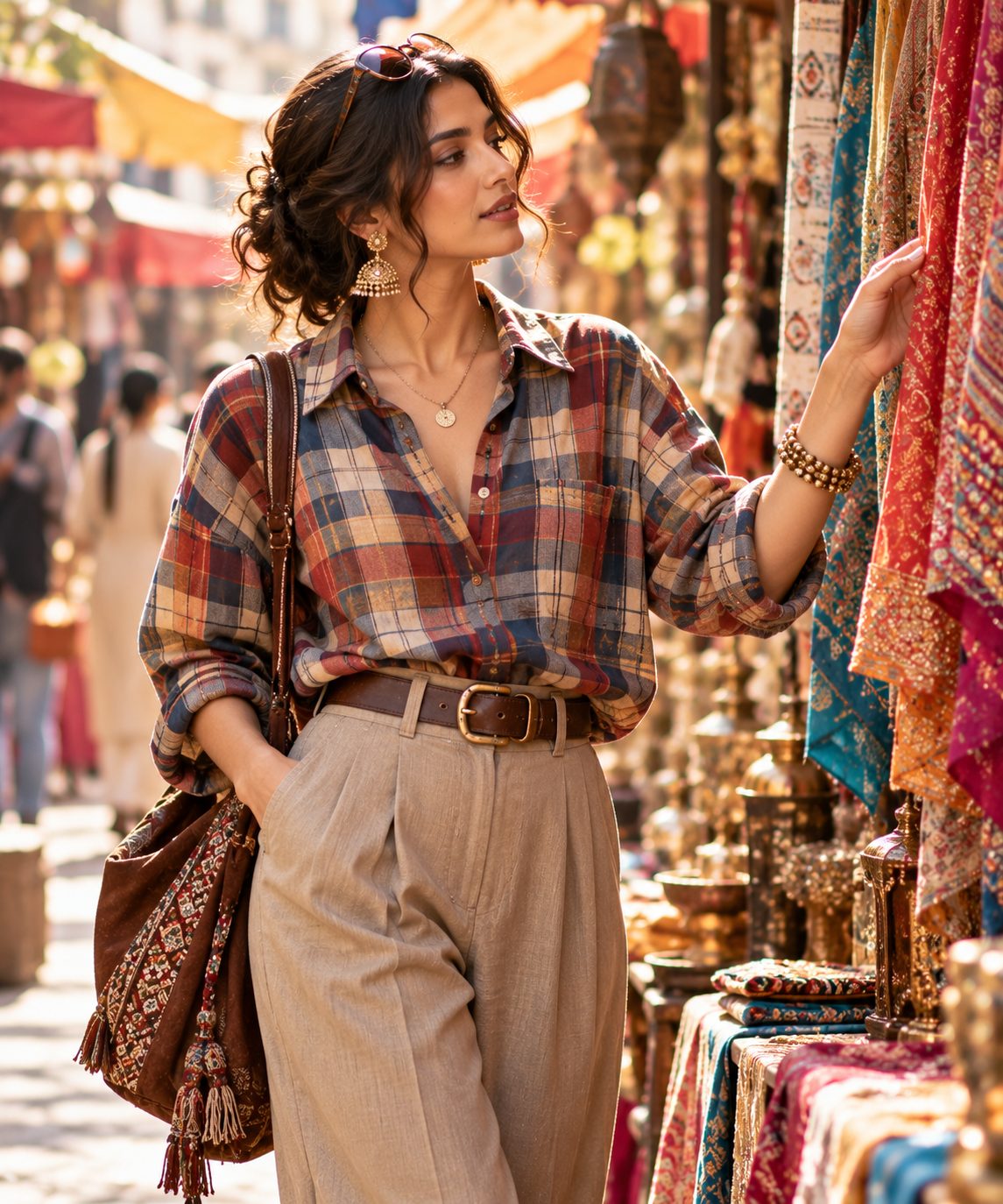
As gender-fluid fashion continues to gain momentum, it is not just a fleeting trend but a reflection of evolving societal norms. The impact on the fashion industry, consumer behavior, and cultural perceptions of gender is profound, signaling a new era where inclusivity is not merely aspirational but essential. This shift challenges designers, retailers, and consumers alike to rethink and redefine the boundaries of fashion, fostering a more inclusive and dynamic industry.
Trendsgender-fluid fashioninclusive fashionstyle normsfashion trendssocietal shifts

Comments
No comments yet — start the conversation.