
Khadi's Global Fashion Transformation
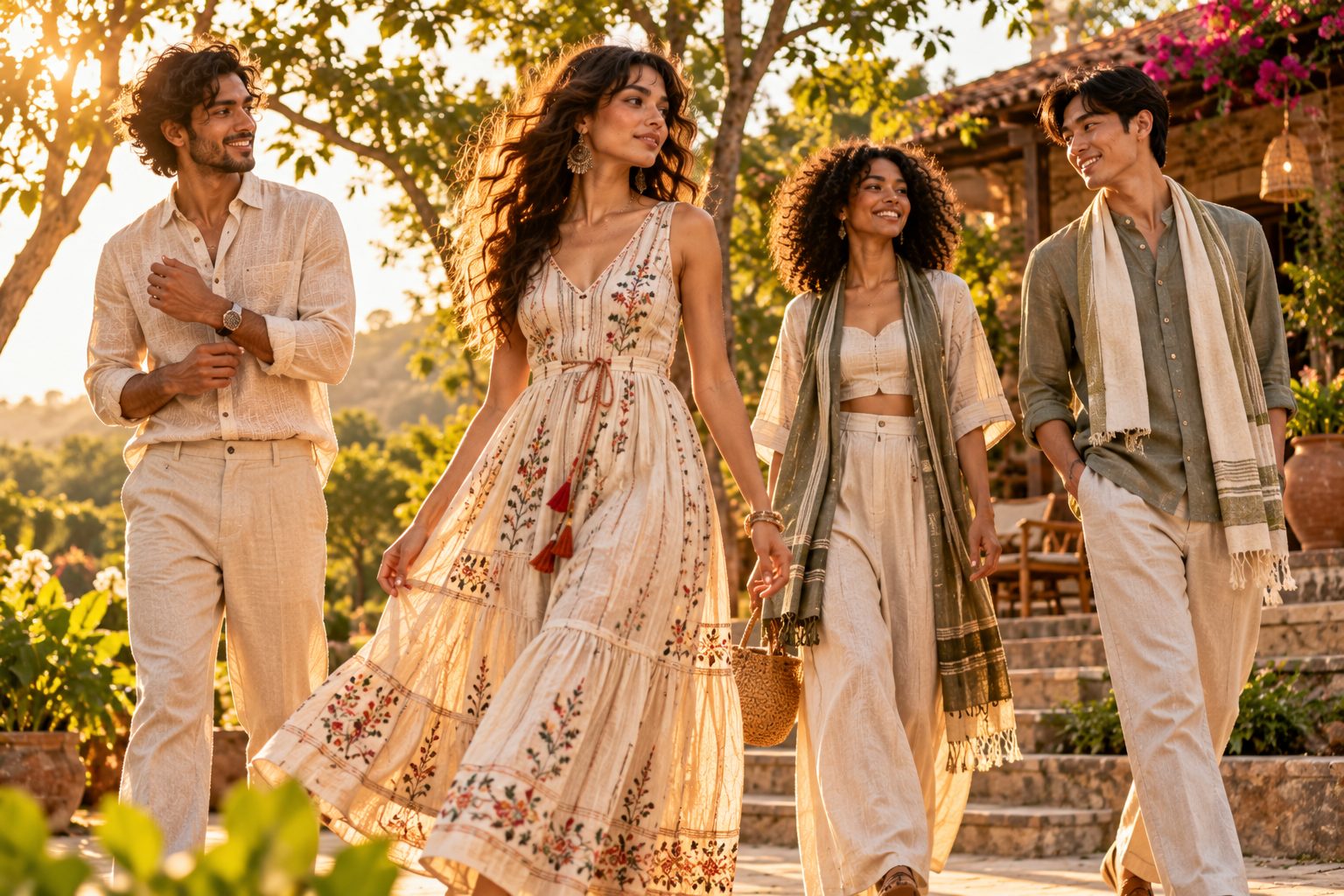
In the ever-evolving world of fashion, where sustainability and heritage are becoming paramount, khadi—the traditional hand-spun and hand-woven fabric from India—is making waves. Once a symbol of India's struggle for independence, khadi is now at the forefront of a movement celebrating eco-friendly and ethical fashion. Its journey from the Indian subcontinent to international runways highlights a shift in the industry towards embracing history and craftsmanship.
Khadi: A Fabric of Revolution and Reinvention
Khadi's story begins with its pivotal role in India's independence movement, championed by Mahatma Gandhi. It was not just a fabric but a symbol of self-reliance and resistance against colonial rule. Gandhi's spinning wheel, or 'charkha,' became an emblem of empowerment and economic independence. Fast forward to today, and khadi is experiencing a renaissance, shedding its traditional associations to take on a new identity in the world of high fashion.
The fabric's resurgence is most prominently seen in recent international collaborations and showcases. In August 2026, the Fashion Design Council of India (FDCI) collaborated with New Zealand Fashion Week to showcase "Khadi Beyond Borders." This event featured collections from designers such as Rajesh Pratap Singh and Samant Chauhan, who expertly blended khadi with contemporary design elements, demonstrating its versatility and modern appeal.
Khadi's presence was also felt on the glamorous red carpets of Cannes in June 2026, where designer Madhav Agasti dressed actor Taha Shah Badussha in tailored khadi ensembles. This move underscored khadi's potential in high-fashion contexts, showcasing its ability to transcend traditional boundaries and captivate a global audience.
Embracing Sustainability: The Khadi Advantage
The fashion industry's current pivot towards sustainability has played a significant role in khadi's newfound popularity. Produced through an eco-friendly process that involves minimal carbon footprint, khadi aligns perfectly with the growing demand for sustainable materials. Its production supports artisanal craftsmanship, promoting local economies and preserving cultural heritage.
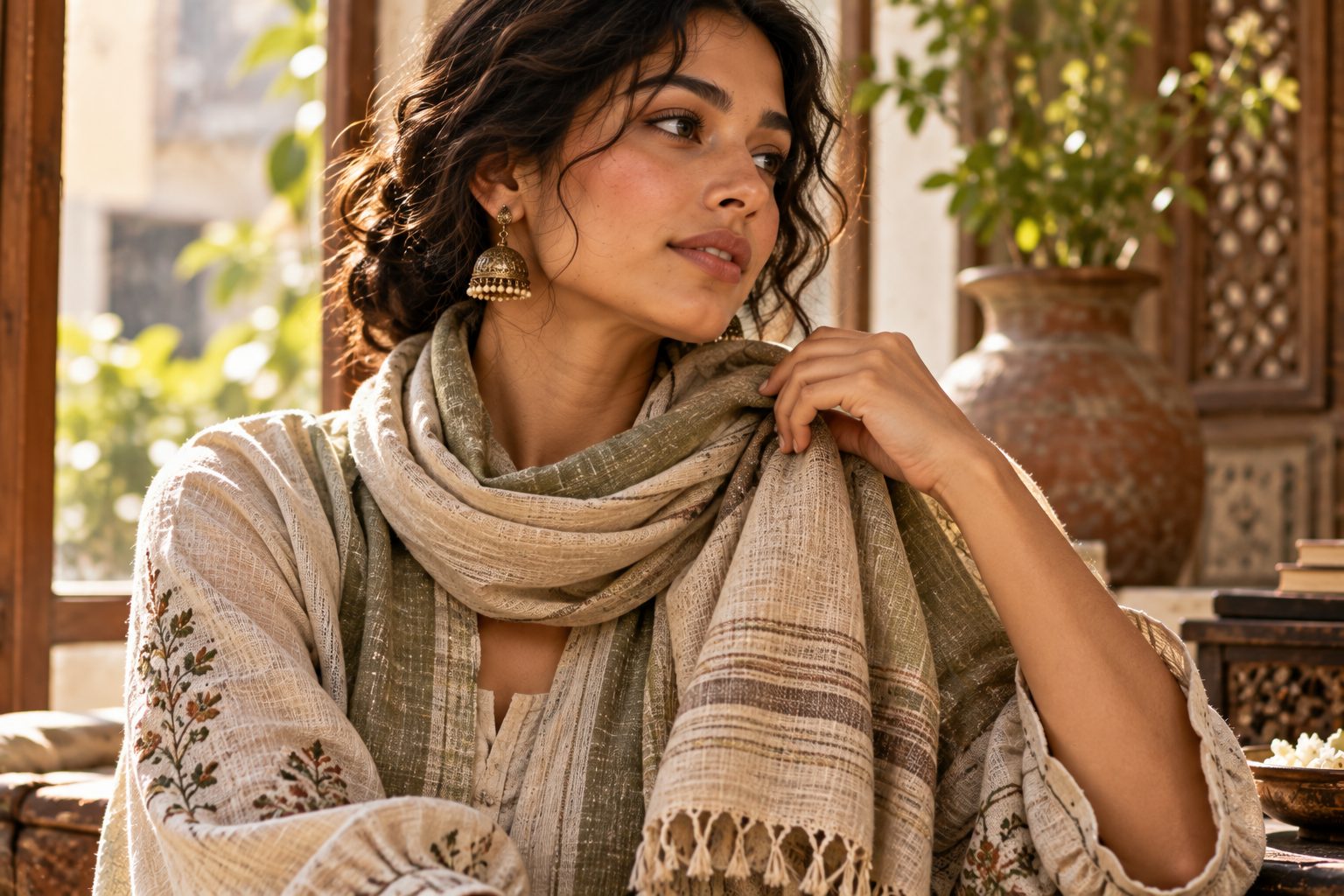
Designers are drawn to khadi not only for its environmental benefits but also for its unique texture and breathability. The fabric's natural aesthetic allows for a wide range of interpretations, from minimalist to avant-garde. At Lakmé Fashion Week in March 2025, designers showcased khadi in modern silhouettes, highlighting its adaptability in contemporary wardrobes.
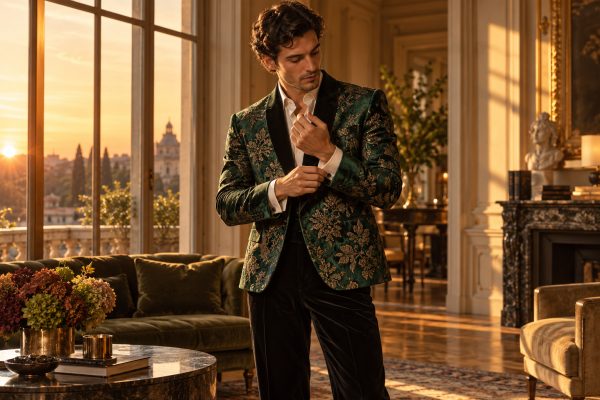
For menswear, khadi is being transformed into tailored suits, jackets, and casual wear like denim pants. In womenswear, it finds expression in dresses, skirts, blouses, and co-ord sets. The fabric's lightweight nature makes it ideal for summer collections, yet it can also be layered for winter wear, making it a year-round staple.
Khadi: A Global Fashion Staple
Khadi's appeal extends beyond India, captivating designers and consumers in the United States, Europe, and the Gulf region. In the US and Europe, the emphasis on sustainable fashion has led to increased interest in khadi as designers incorporate it into collections that resonate with environmentally conscious consumers.
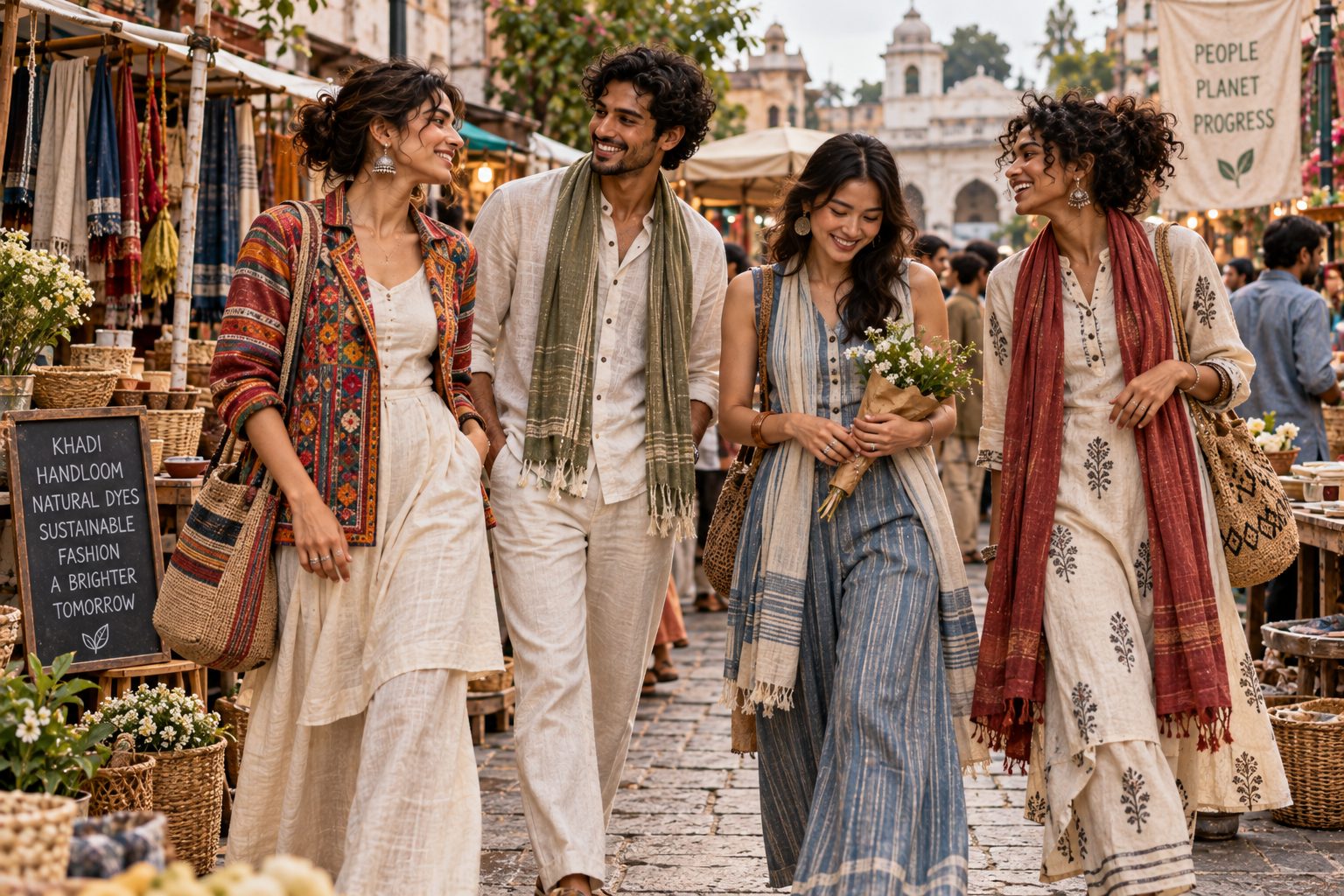
In the Gulf region, khadi's lightweight and breathable qualities make it suitable for the local climate, leading to its adoption in both traditional and contemporary attire. Its versatility and adaptability to various climates and styles have cemented khadi's place as a global fashion staple.
The ongoing evolution of khadi is a testament to the power of traditional craftsmanship meeting modern design sensibilities. As international designers continue to explore and experiment with this historic fabric, khadi is poised to not only celebrate its rich heritage but also contribute significantly to the future of sustainable fashion.
Current Developments and Future Prospects
Khadi's global appeal is expanding through strategic collaborations and international showcases. The "Khadi Beyond Borders" event in Auckland demonstrated the fabric's adaptability, with designers presenting collections that fused traditional khadi with modern design elements. Similarly, at Cannes, khadi's presence on the red carpet highlighted its potential in high-fashion contexts.
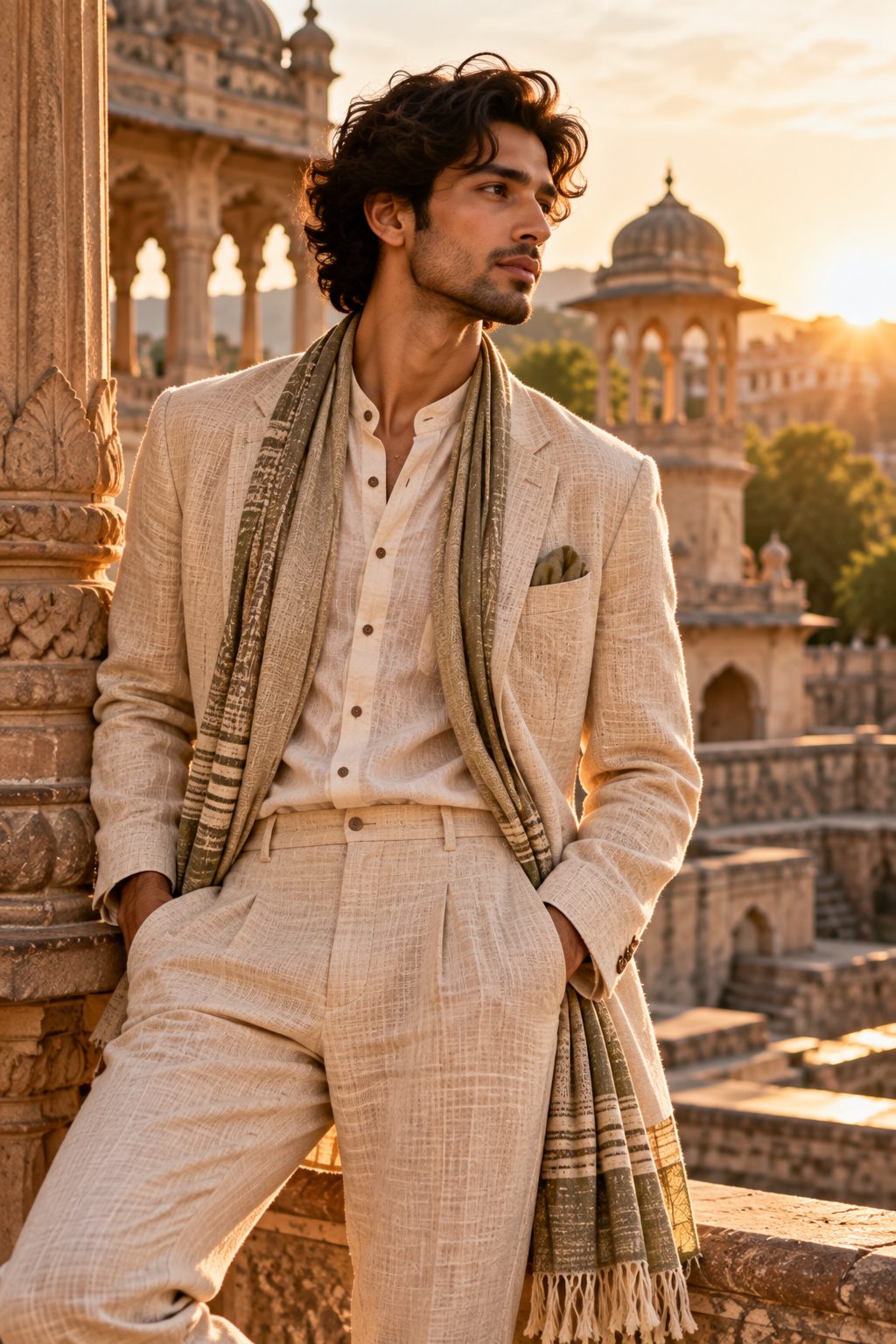
The fabric's resurgence in contemporary fashion can be traced back to its symbolic role in India's independence movement. In recent years, designers have reimagined khadi, moving beyond its traditional associations to create modern, stylish garments. Events like Lakmé Fashion Week have been instrumental in this transformation, showcasing khadi in innovative designs that appeal to a global audience.
Designers are blending khadi with contemporary silhouettes, creating garments that honor the fabric's heritage while appealing to modern aesthetics. This includes tailored jackets, structured blazers, flowing dresses, and even streetwear-inspired pieces. The natural texture and breathability of khadi make it suitable for a variety of styles, from minimalist to avant-garde.
As the fashion industry continues to prioritize sustainability and ethical production, khadi stands out as a fabric that embodies these values. Its journey from a symbol of resistance and independence to a global fashion staple underscores the dynamic interplay between tradition and modernity, making it a fabric truly for the present and the future.
FabricKhadi fashioneco-friendly fashionglobal fashionIndian heritagesustainable clothing


Comments
No comments yet — start the conversation.