
Cultural Threads: Textile Arts in Modern Fashion
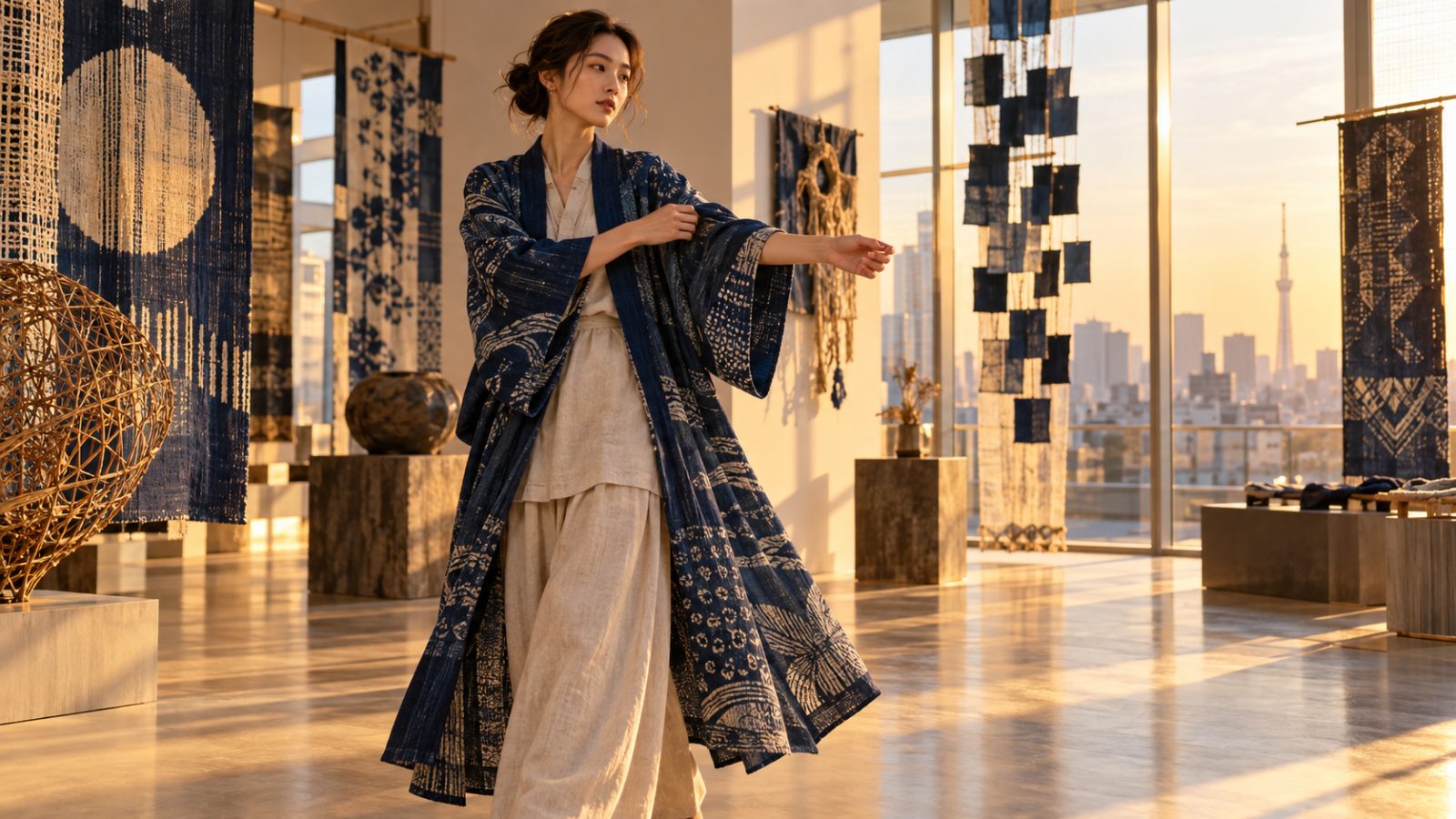
In an increasingly digitised world, where mass production often overshadows individuality, fashion is turning a discerning eye towards the intricate artistry of traditional textile crafts. This movement is not just about aesthetics—it's a cultural renaissance that champions authenticity and sustainability in contemporary fashion.
Weaving Heritage into Modern Design
The global fashion industry has reached a pivotal moment, where designers are rekindling the flames of traditional craftsmanship. The resurgence of handwoven textiles in luxury markets is a testament to this shift, blending heritage with modernity. By integrating traditional techniques into contemporary collections, designers are crafting garments that narrate the stories of cultures from around the world. This isn't merely a nod to the past; it’s a dynamic dialogue between eras.
The "Craft x Tech" exhibition in Tokyo exemplifies this trend, showcasing collaborations that fuse ancient techniques with cutting-edge design. One of the standout pieces, "Grid Unwoven," a flowing LED-lit shoji screen, marries traditional Japanese craftsmanship with modern technology. This fusion is indicative of a broader movement that values the tactile and human-centered nature of handcrafted textiles, offering a palpable counterbalance to the impersonal digital designs that pervade today's fashion landscape. Such exhibitions illuminate the potential of traditional crafts to evolve without losing their essence, providing a model for future integrations of craft and tech.
Fashion's Cultural Reawakening
The roots of this trend can be traced back to several influential movements. The Arts and Crafts Movement of the 19th century championed the integrity of craftsmanship, a philosophy that resonates strongly in today's fashion narratives. This historical emphasis on the handmade has been revitalized in the context of contemporary concerns about sustainability and cultural preservation.
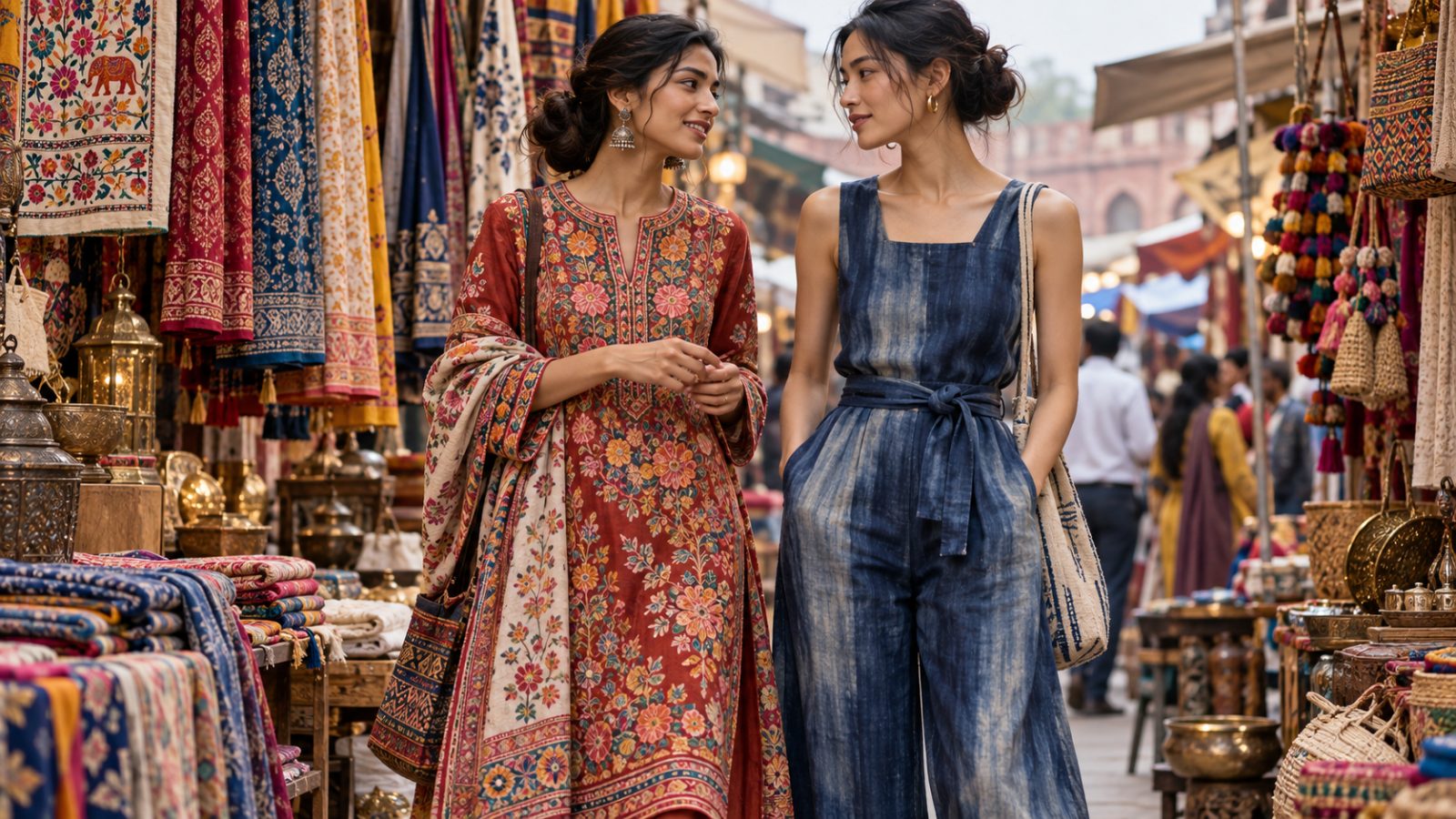
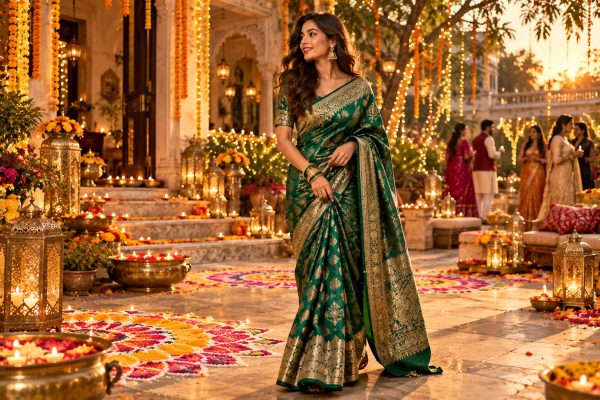
The sustainability movement pushes back against the tide of fast fashion, advocating for durable and ethically made products. This drive for sustainability naturally aligns with the use of traditional textiles, which are often crafted from natural materials and dyes. Moreover, cultural preservation efforts have brought indigenous crafts and techniques to the forefront of fashion innovation. In places like Latin America, designers are incorporating indigenous textiles into their collections, creating pieces that celebrate local heritage while appealing to a global market. These textiles, with their rich patterns and vibrant colours, are more than just fabric—they are cultural artefacts, each piece woven with stories and significance.
From the Loom to the Runway
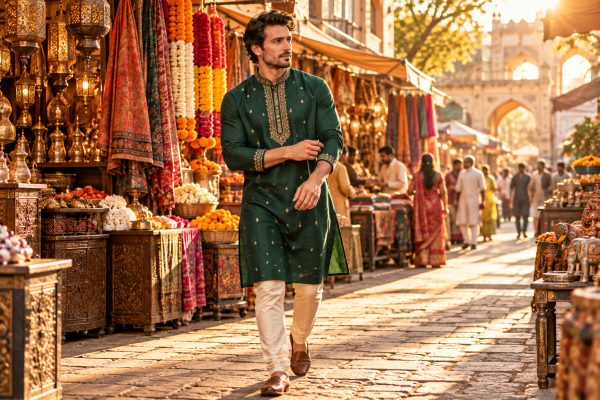
Across the globe, designers are finding inspiration in the past, yet they are not constrained by it. They are weaving stories into garments that speak to both the time-honoured traditions of textile arts and the cutting-edge aesthetic of contemporary fashion. This synthesis creates a new language of style that resonates across cultures and consumer tastes.
- Textured Fabrics: Handwoven materials add depth and tactile appeal to clothing, creating a sensory experience that mass-produced items often lack. This textural richness invites wearers to engage with their garments on a more intimate level.
- Traditional Patterns: Motifs such as block prints and intricate embroidery bring cultural narratives to life, breathing new meaning into modern designs. These patterns act as visual storytellers, connecting the past with the present.
- Natural Dyes: The use of plant-based dyes not only evokes authentic colour palettes but also underscores the movement towards sustainable fashion practices. These dyes often carry historical and cultural connotations, adding layers of meaning to the garments.
Garments fashioned from these materials are versatile, transcending seasons. Lightweight handwoven fabrics like cotton and linen are ideal for warm climates, while heavier textiles such as wool provide warmth and richness in cooler weather. From outerwear that showcases traditional weaving techniques to dresses and tunics adorned with embroidery, the scope of this trend is vast, offering endless possibilities for innovation and expression.
The Global Tapestry
While the movement is global, its local expressions are uniquely compelling. In the United States and Europe, there's a burgeoning demand for sustainable and ethically produced fashion, resulting in a keen interest in handcrafted textiles. This demand is driven by consumers who are increasingly conscious of their ecological footprint and the stories behind their clothing.
Meanwhile, in Asia, countries like Japan are blending traditional crafts with modern design, offering pieces that appeal to both domestic and international markets. This fusion not only preserves cultural heritage but also positions these crafts within the global fashion dialogue, highlighting their relevance and adaptability.
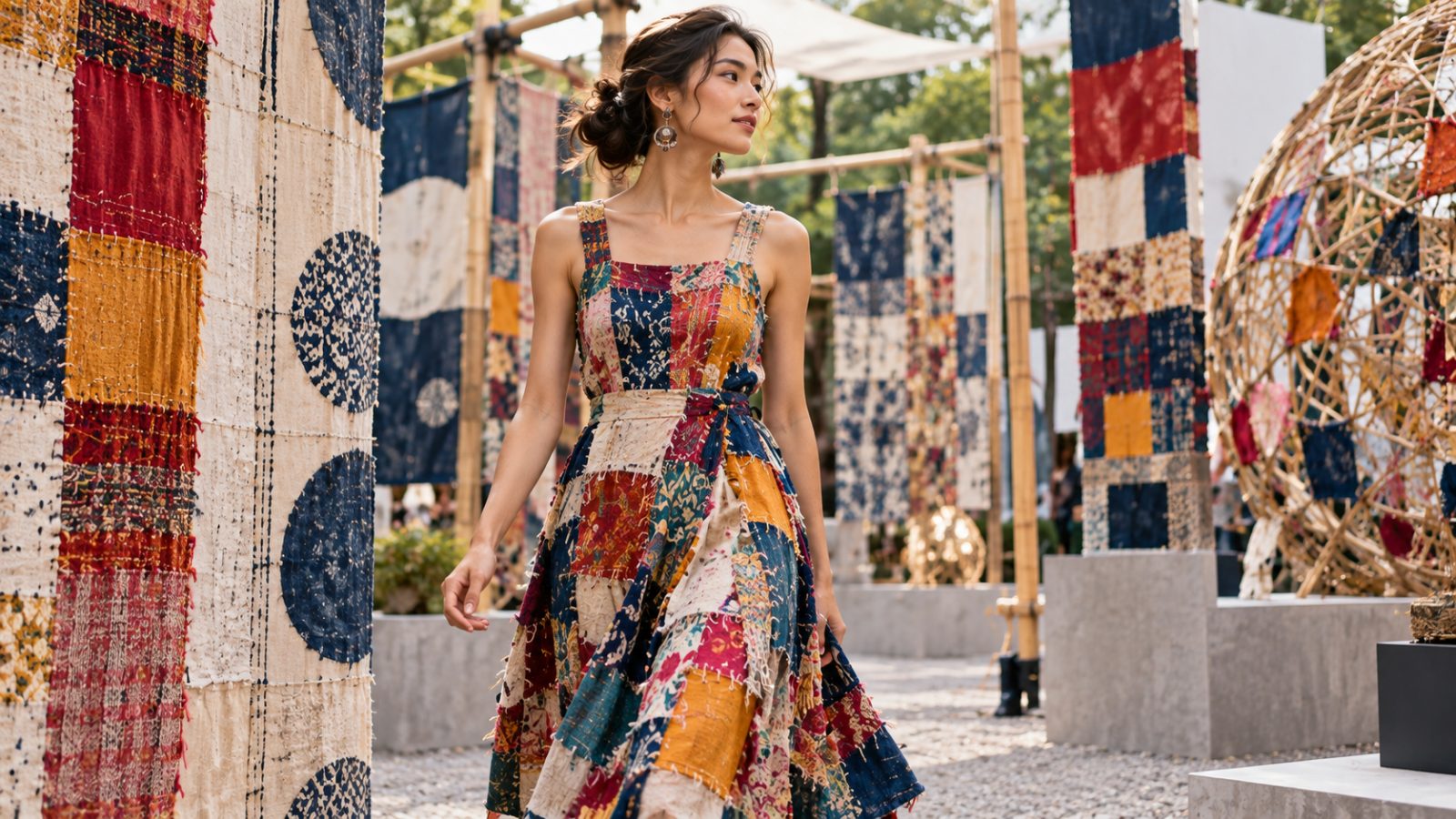
Incorporating these elements into fashion does more than just nod to the past; it creates economic opportunities for artisan communities, ensuring that these invaluable skills are passed on to future generations. The tactile rebellion against the digital norm in graphic design mirrors this ethos, emphasising the importance of the human touch in an era often dominated by technology. This movement is a testament to the enduring value of the handmade in a world increasingly defined by the digital.
The revival of traditional textile arts in fashion is more than a trend—it is a movement of cultural significance and sustainability. As designers continue to draw from the rich tapestry of global heritage, they remind us that fashion is not just about what we wear, but also about the stories we choose to tell. In this narrative, garments become more than mere items; they are cultural emissaries, bridging past and present, tradition and innovation.
Culturetextile artsmodern fashioncultural heritagesustainabilityartisanal craftsmanship
Comments
No comments yet — start the conversation.