
Diwali 2026: A Renaissance of Handloom Silks in Festive Fashion
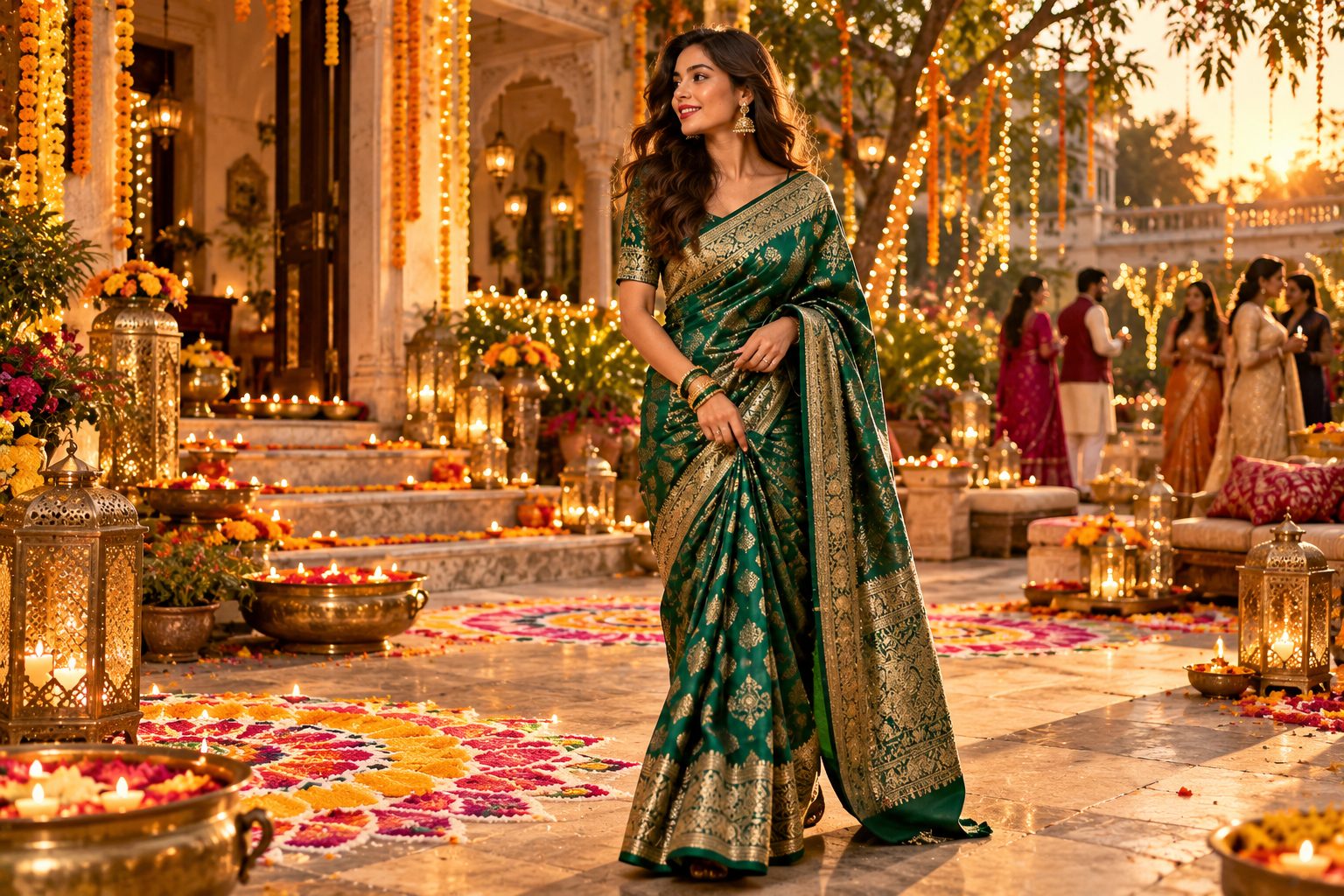
As Diwali 2026 approaches, the festival of lights not only brightens homes but also heralds a resplendent revival of traditional Indian attire. This year is marked by a significant resurgence in the appreciation of pure handloom silks and authentic zari weaves, reflecting a collective desire to reconnect with India's rich textile heritage. This shift is not just about embracing tradition but also about making a conscious choice towards sustainability in fashion.
Why This Matters Now
The festive season traditionally emphasizes opulence and cultural significance in attire, and 2026 is no different—except for a notable shift. This year, there is an increased inclination towards handloom silks, such as Banarasi Katan and Kanjivaram, over synthetic alternatives. This movement aligns with a broader global trend of valuing artisanal craftsmanship and ethical production methods, a nod to both cultural heritage and sustainable fashion choices.
A Celebration of Craftsmanship
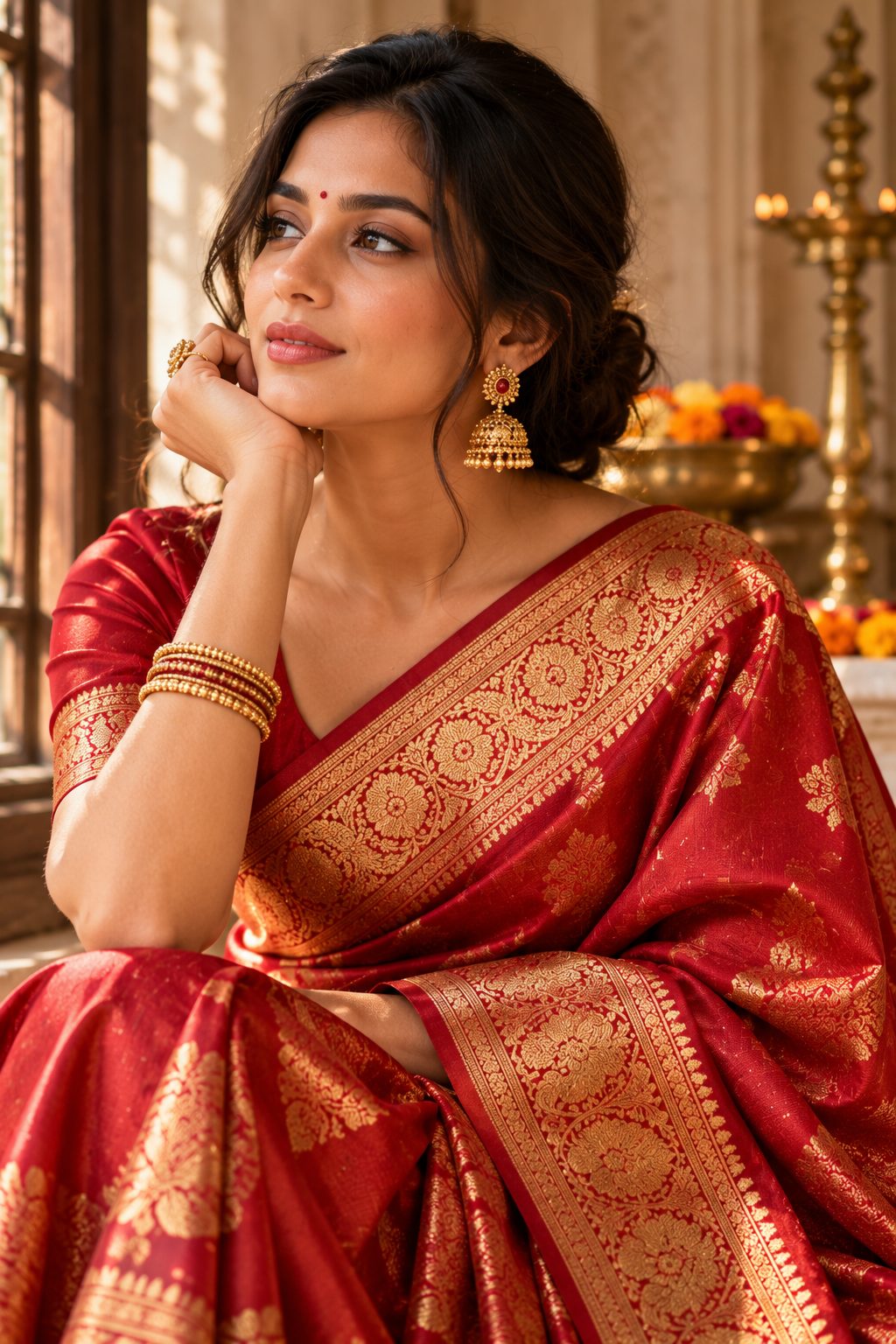
Diwali, synonymous with opulence, finds its sartorial counterpart in the luxurious feel of handloom silks. These are not just garments but a celebration of craftsmanship. They are meticulously woven using centuries-old techniques that emphasize the essence of slow fashion—where quality and craftsmanship take precedence over mass production. This return to handloom silks over synthetic alternatives is not merely a nod to tradition but also a statement of environmental consciousness.
The Jewel-Toned Palette
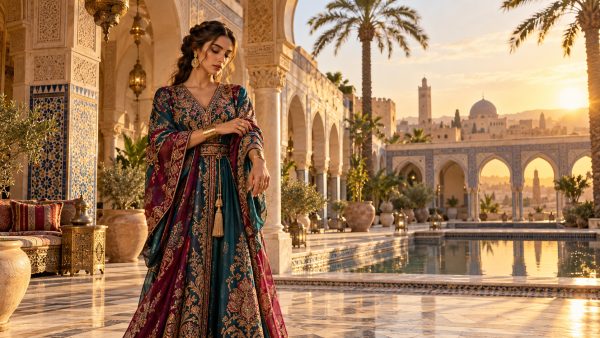
This festive season, silk sarees are resplendent in jewel tones—emerald green, royal blue, and ruby red dominate the palette. These rich hues are visually striking and enhance the luxurious appeal of the fabric, resonating with the vibrancy and warmth of Diwali celebrations. Complementing these striking colors is a renewed focus on authentic metallic zari work. Intricate borders and elaborate pallus adorned with genuine zari add elegance and sophistication, transforming the sarees into works of art.
Modern Meets Traditional
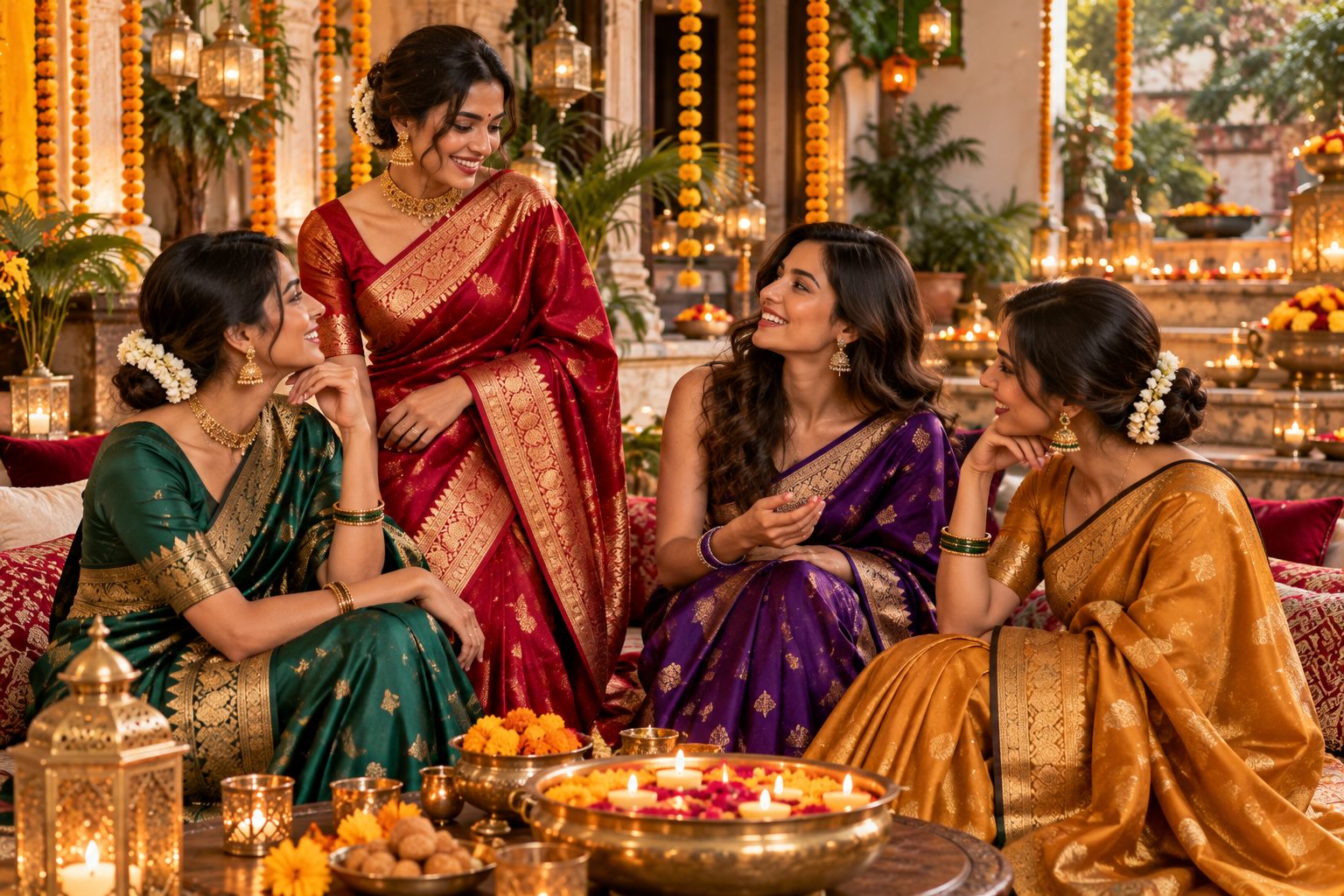
While the revival of handloom silks is rooted in tradition, contemporary design elements have been seamlessly integrated to appeal to a younger audience. Designers are infusing traditional weaves with modern aesthetics, making timeless sarees trendy. Lightweight sarees with subtle zari accents cater to those who seek comfort without compromising on cultural heritage. The trend encourages pairing traditional silk sarees with minimalist jewelry, allowing the fabric's richness to stand out. Modern blouse designs, ranging from structured cuts to off-shoulder styles, offer a fusion of old and new, creating a versatile look that can transition from day to night.
Trend Origins
The resurgence of handloom silks can be traced to a growing global appreciation for sustainable and ethical fashion. In India, this trend is bolstered by cultural movements advocating for the preservation of indigenous crafts and textiles. Designers are revisiting traditional weaves, infusing them with modern aesthetics to appeal to contemporary tastes. This movement is more than a trend; it's a cultural renaissance that celebrates the artistry of Indian textiles.
Global Appeal
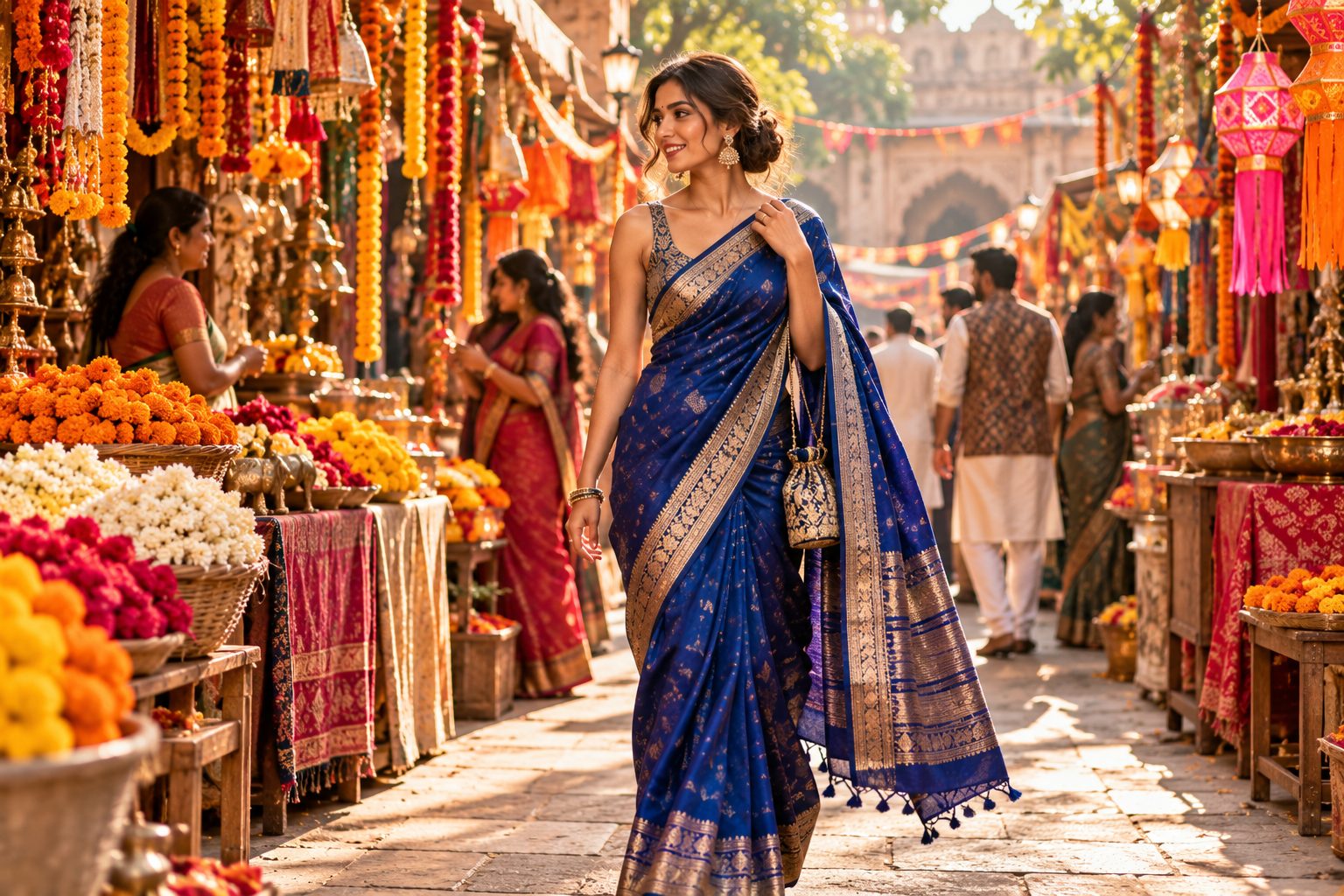
Though deeply rooted in Indian culture, the appeal of handloom silks transcends borders. In global markets like the US, Europe, and the Gulf, traditional Indian textiles are being incorporated into contemporary silhouettes. This fusion wear appeals to the diaspora and fashion enthusiasts, offering a taste of Indian elegance with a modern twist. The seasonal relevance of silks also plays a role in their popularity. In the Northern Hemisphere, Diwali aligns with cooler autumn temperatures, making the warmth and luxury of silk fabrics particularly suitable. Conversely, in the Southern Hemisphere, where the festival coincides with spring, lighter silk variants like Chanderi are favored for their breathability and elegance.
Garment Types
The revival encompasses various garment types:
- Sarees: Traditional drapes in Banarasi, Kanjivaram, and Chanderi silks.
- Lehengas: Skirt and blouse ensembles crafted from handloom silks.
- Salwar Kameez: Traditional suits made from silk fabrics.
- Dupattas: Silk stoles with intricate zari work.
The Future of Festive Fashion
As we celebrate Diwali 2026, the resurgence of handloom silks signifies more than a fashion statement; it represents a cultural movement towards sustainability and the appreciation of artisanal craftsmanship. This trend is not just about looking back; it is about preserving and evolving, ensuring these rich traditions continue to inspire future generations. In embracing handloom silks and authentic zari weaves this Diwali, we celebrate not only the festival of lights but also the enduring legacy of Indian textile artistry. These garments, steeped in history and handcrafted with care, allow us to wear our heritage with pride and elegance.
Culturehandloom silksDiwali 2026sustainable fashiontextile heritagefestive fashion
Comments
No comments yet — start the conversation.