
Style Stories · Sustainability
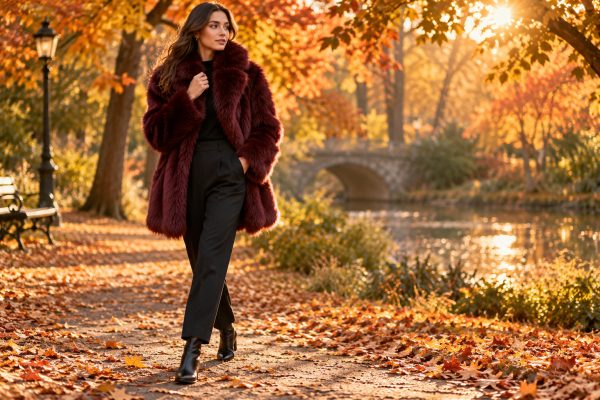
Faux Fur: The Ethical Autumn Staple
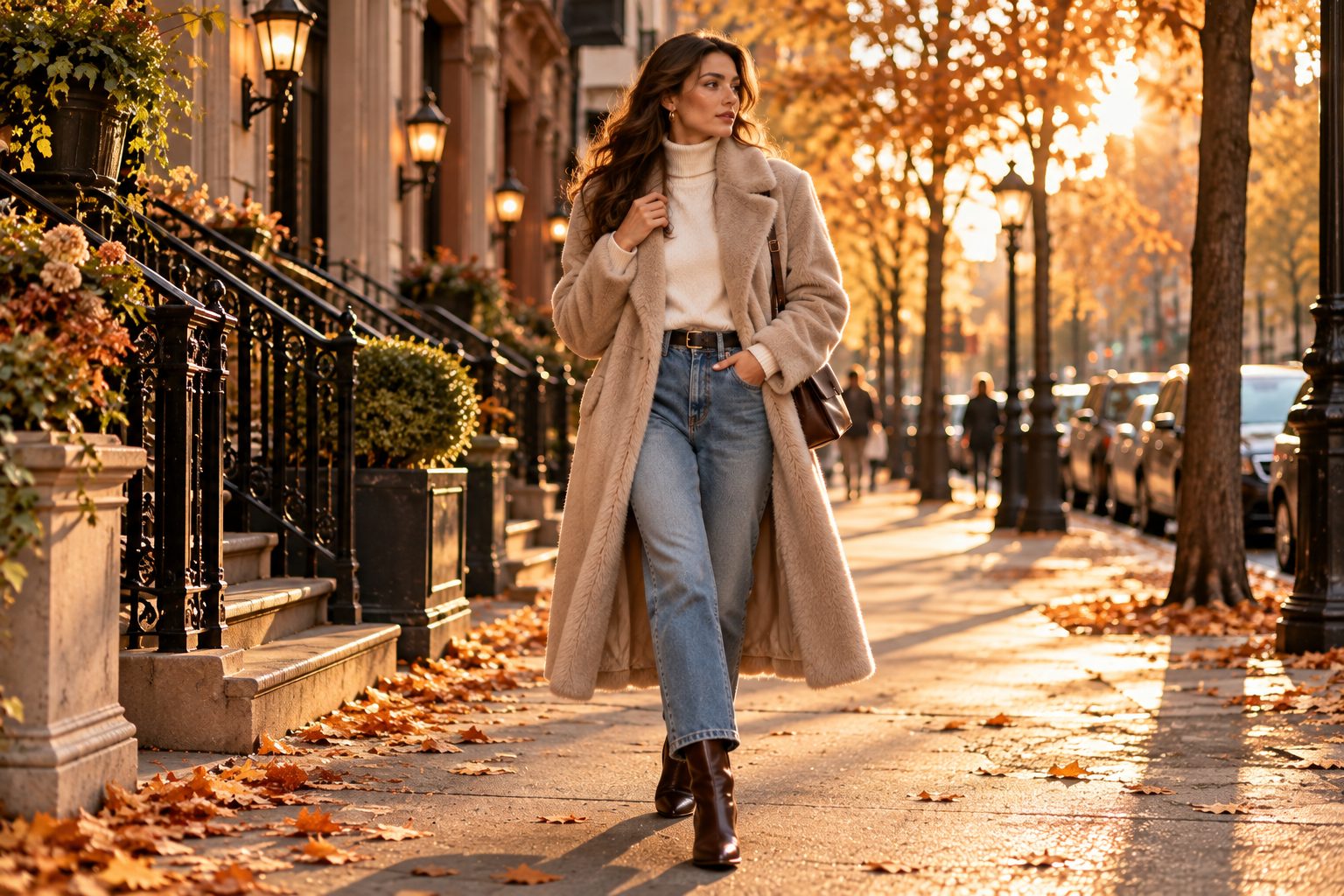
Faux fur has secured its place in the fashion spotlight this autumn, heralding a shift towards sustainable and ethical luxury. As the Council of Fashion Designers of America (CFDA) implements a fur ban effective from September 2026, the industry is poised for a transformative moment. Faux fur, with its plush textures and opulent aesthetics, offers a guilt-free alternative that aligns with modern consumer values.
The Fashion Industry's Ethical Shift
The global fashion community has been increasingly advocating for cruelty-free materials. This movement has gained momentum, with major fashion houses stepping away from real fur. The faux fur trend, showcased prominently at London Fashion Week, exemplifies this shift. Designers like Mithridate and Goyagoma have led the charge with velour-like textures, while Natasha Zinko and Oscar Ouyang have embraced shaggy, more playful iterations.
These designs illustrate the material's versatility, being styled in both minimalist and maximalist ways. A neutral faux fur coat pairs effortlessly with denim for understated elegance, while vibrant animal prints make a bold statement, reflecting the "mob wife" aesthetic that is currently captivating fashion circles.
Faux Fur in the Modern Wardrobe
The modern wardrobe is evolving, and faux fur is at the forefront of this change. Beyond traditional coats, designers are incorporating faux fur into a variety of garments and accessories. Cardigans, gilets, and hats are all being reimagined with plush textures, opening new avenues for this material's integration into everyday style.
- Outerwear: From long, dramatic coats to cropped jackets, faux fur offers warmth and style.
- Accessories: Hats, scarves, and handbags add a touch of luxury to any outfit.
- Footwear: Shearling-lined boots and ballet flats merge comfort with chic design.
These pieces are not only aesthetically pleasing but also practical for autumn and winter climates. In warmer regions, lighter faux fur options like gilets and accessories allow for seasonal flair without the bulk.
Regional Adoption and Cultural Impact
The acceptance of faux fur varies globally, influenced by cultural attitudes towards animal welfare. In Europe and North America, strong animal rights movements have driven high adoption rates of faux fur. Legislative actions against real fur further bolster this trend. Meanwhile, in Asia and the Middle East, traditional preferences for real fur persist, although there is a growing interest in sustainable alternatives.
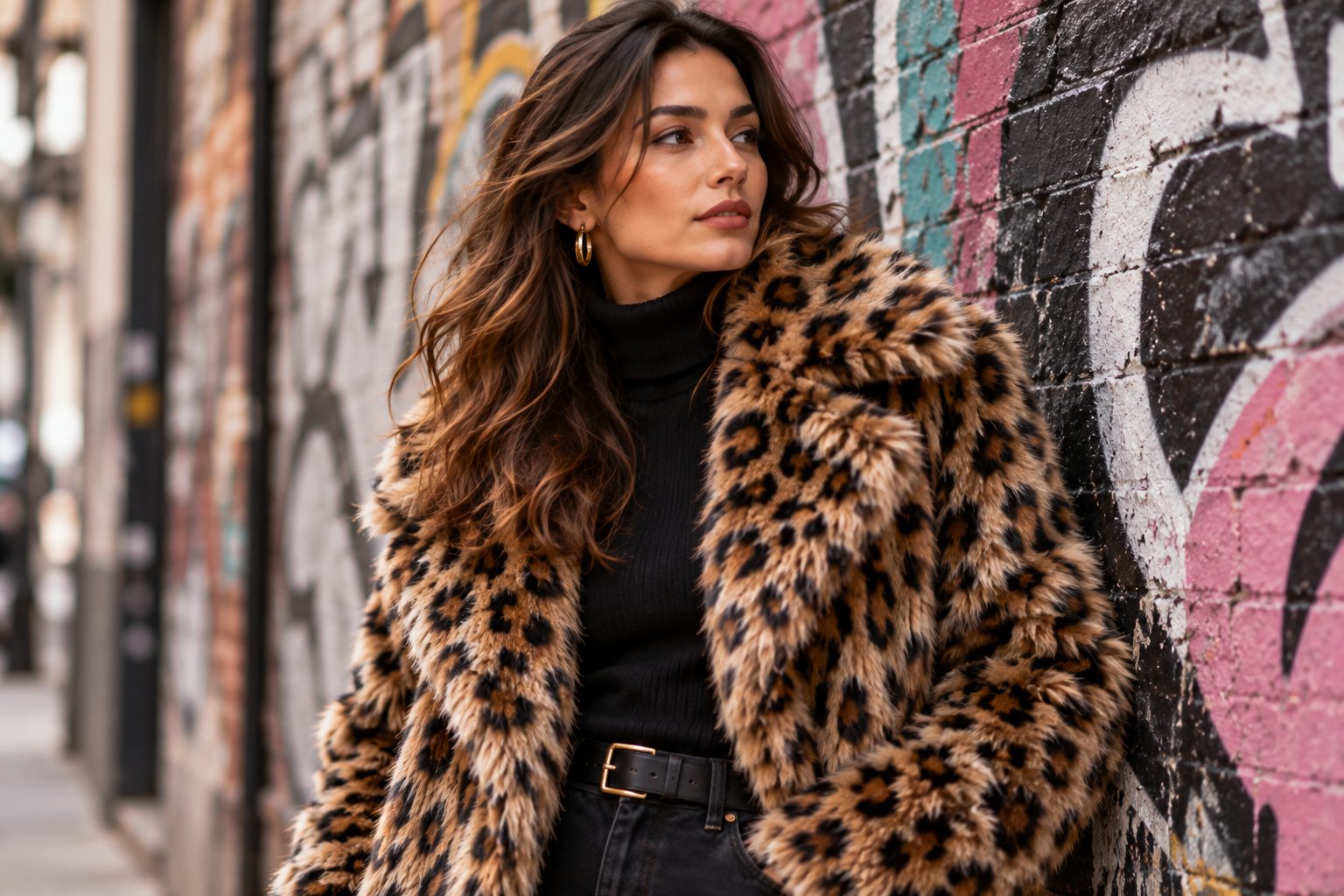
This global shift is not just about ethical consumption; it reflects a broader cultural change. As the fashion industry prioritises sustainability, consumers are increasingly aware of the impact of their choices. Faux fur represents a fusion of ethical responsibility and luxury, resonating with a modern audience that values both style and substance.
Faux Fur's Seasonal Relevance
Faux fur is particularly suited for autumn and winter in colder climates, offering both warmth and style. Its ability to mimic the insulating properties of real fur makes it a practical choice for chilly weather. In regions with milder winters, faux fur garments such as gilets and accessories provide the perfect opportunity to incorporate the trend without overheating. This adaptability allows faux fur to maintain its appeal across various climates, ensuring its place in wardrobes worldwide.
Exploring the Origins and Inspirations
The resurgence of faux fur can be traced to several key influences, such as innovative runway shows and cultural moments that have brought fur-like textures back into vogue. Designers like Mithridate and Goyagoma took center stage during the Fall/Winter 2026 collections, setting the tone for the season and beyond. Meanwhile, the "mob wife" aesthetic, with its emphasis on luxurious and bold fashion choices, has contributed to the renewed interest in faux fur.
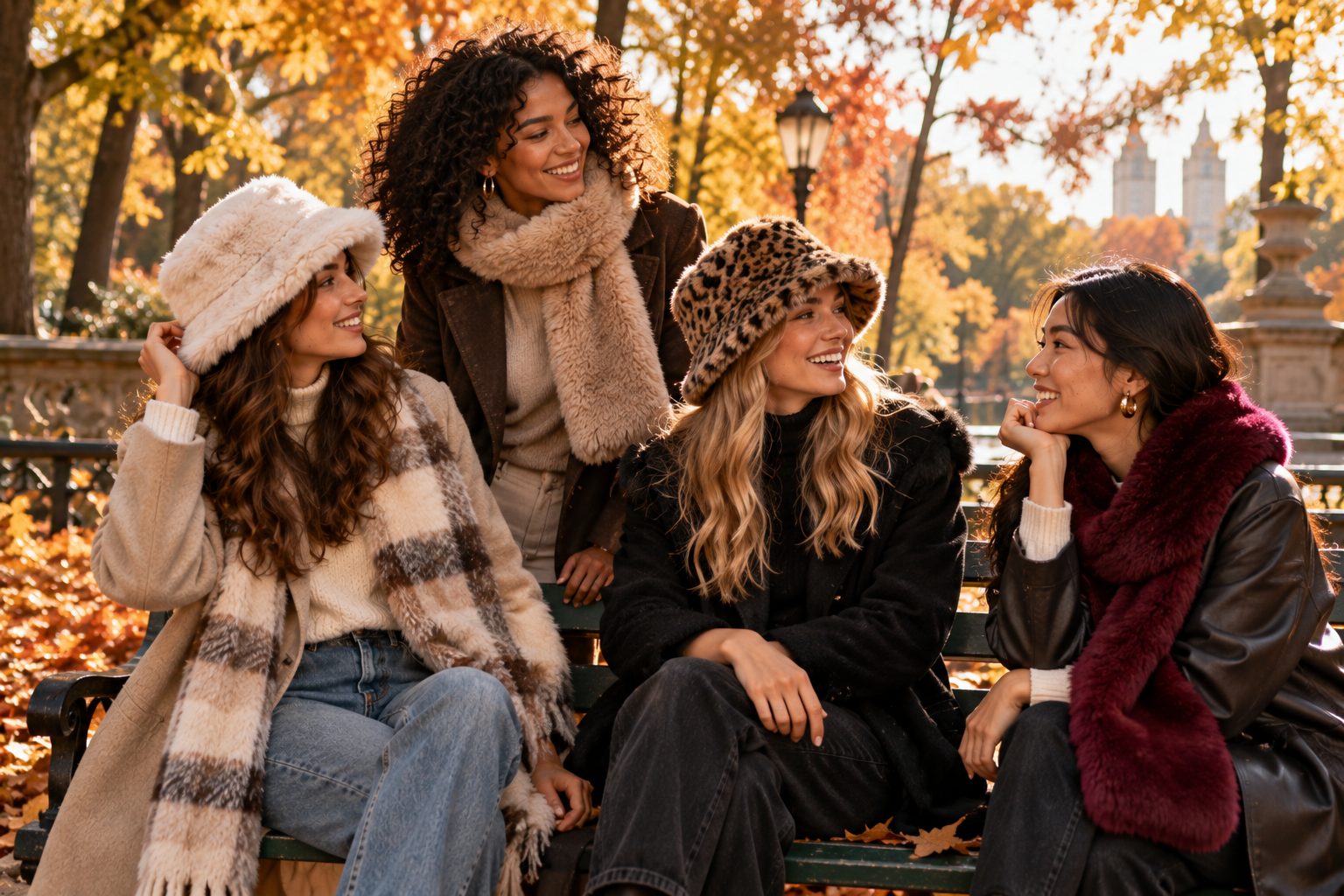
These influences highlight the cyclical nature of fashion, where past trends are reimagined to suit contemporary tastes and ethical standards. As designers continue to push boundaries, faux fur is poised to evolve further, adapting to new styles and cultural shifts.
Embracing Faux Fur: Style Interpretation
Faux fur can be styled in myriad ways, offering something for every fashion enthusiast. For those who favour minimalist elegance, a simple faux fur coat in neutral tones can be paired with classic denim and knitwear for a sophisticated look. On the other hand, maximalists can indulge in bold colors and animal prints, using faux fur to make a striking statement. This duality ensures that faux fur remains a versatile choice, capable of complementing a wide range of personal styles.
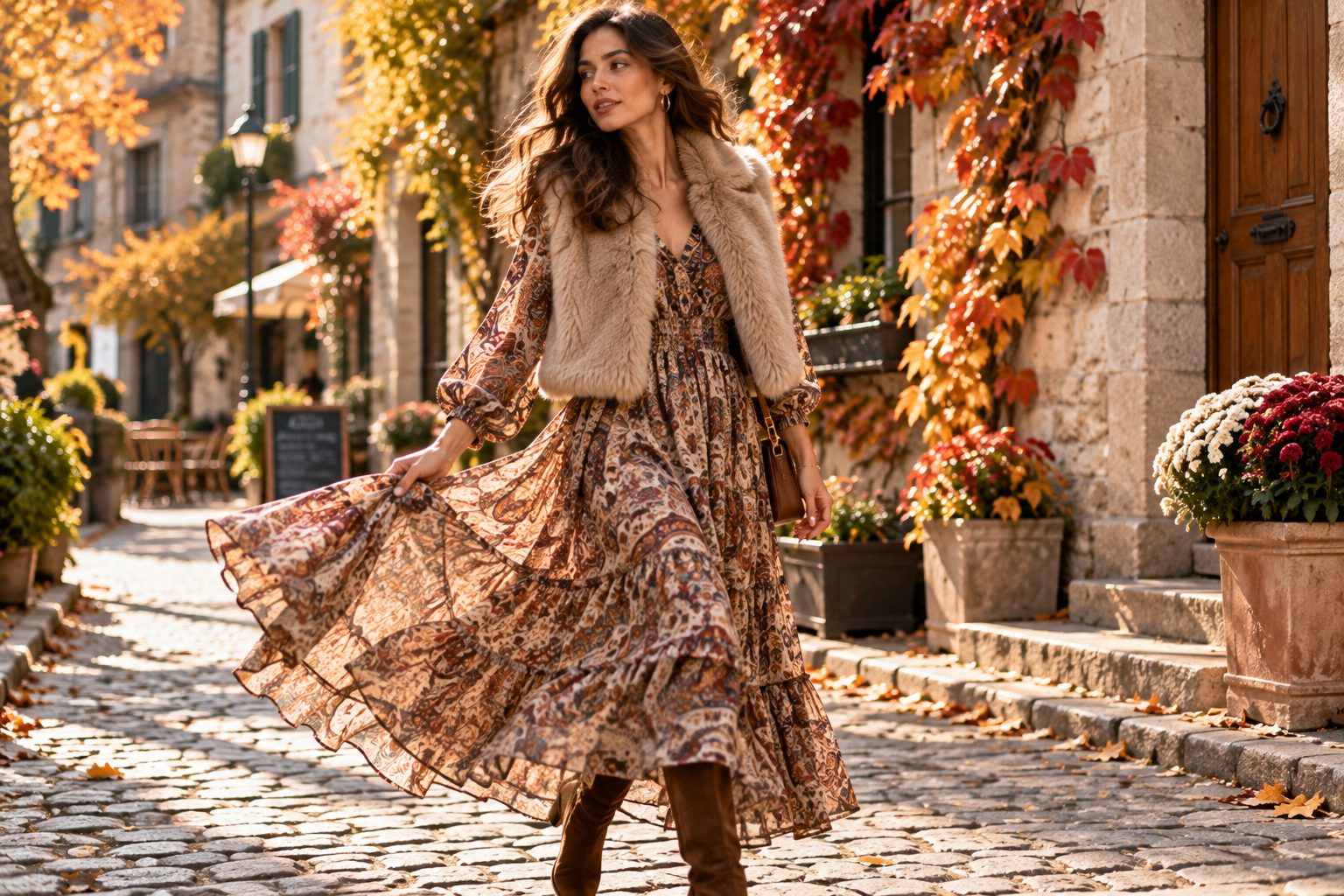
As we navigate the cooler months, faux fur stands out as a symbol of ethical elegance. Whether you are drawn to the minimalist charm of neutral pieces or the vibrant allure of bold patterns, there is a faux fur option that aligns with your personal style. As designers continue to innovate, the possibilities for integrating this versatile material into our wardrobes are endless. Embrace the change and let faux fur redefine your autumn fashion narrative.
Sustainabilityfaux fursustainable fashionautumn styleethical clothingluxury materials

Comments
No comments yet — start the conversation.