
Style Stories · Sustainability
Embracing Handcrafted Elegance in Indian Fashion
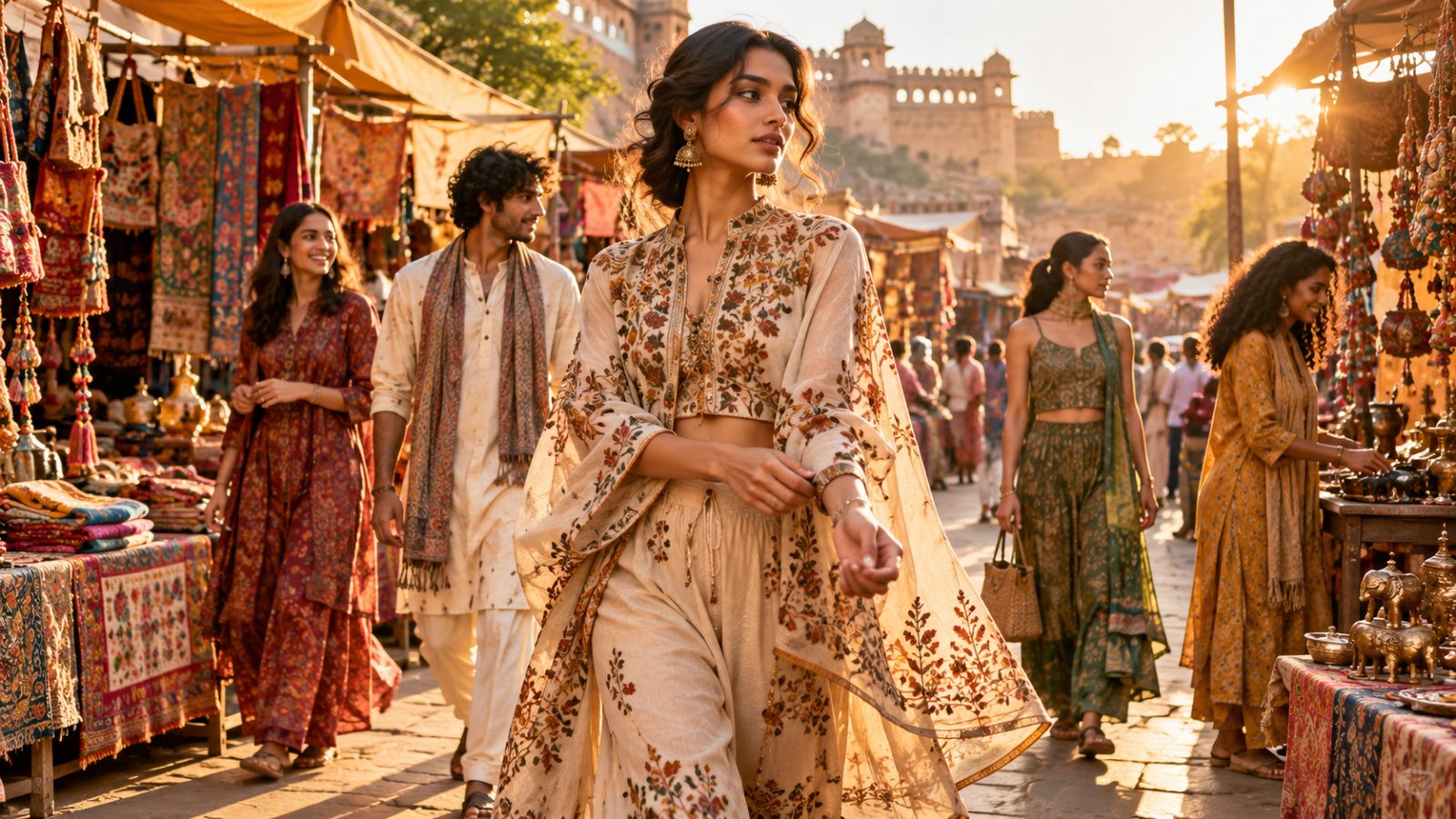
In the burgeoning landscape of Indian fashion, a quiet revolution is underway. Consumers are increasingly pivoting towards sustainable, handcrafted clothing, marking a distinct departure from the once-dominant fast fashion. This shift is not merely a trend but a profound movement that reflects a growing consciousness about ethical production and environmental responsibility.
A Cultural and Ethical Shift
The allure of handcrafted fashion in India lies in its deep cultural roots. India's rich tradition of craftsmanship has long been celebrated, yet, in the face of globalization and the rise of mass-produced clothing, it had started to fade into the background. Today, however, a renewed appreciation for these artisan techniques is breathing life back into the industry. Brands like Haus of Handmade are leading this charge, offering clothing that is not only aesthetically pleasing but also ethically produced.
Founded in Noida, Uttar Pradesh, Haus of Handmade exemplifies this movement. By specializing in small-batch, artisan-made garments, the brand ensures each piece is unique, with production runs limited to 20 to 50 pieces. This approach not only guarantees exclusivity but also allows meticulous attention to detail, a stark contrast to the homogeneity of fast fashion. The emphasis on natural fabrics such as cotton, linen, and chanderi further enhances the appeal, making the garments ideally suited to India's diverse climate.
The Appeal of Handcrafted Garments
Indian consumers are increasingly drawn to the timeless elegance of handcrafted garments. These pieces often feature intricate handwork, from embroidery to lace detailing, creating a sense of individuality that mass-produced clothing cannot replicate. While the global trend towards sustainable fashion has been evident for some time, the emphasis on artisan-made, limited-edition pieces is gaining momentum as consumers seek alternatives to fast fashion's environmental impact.
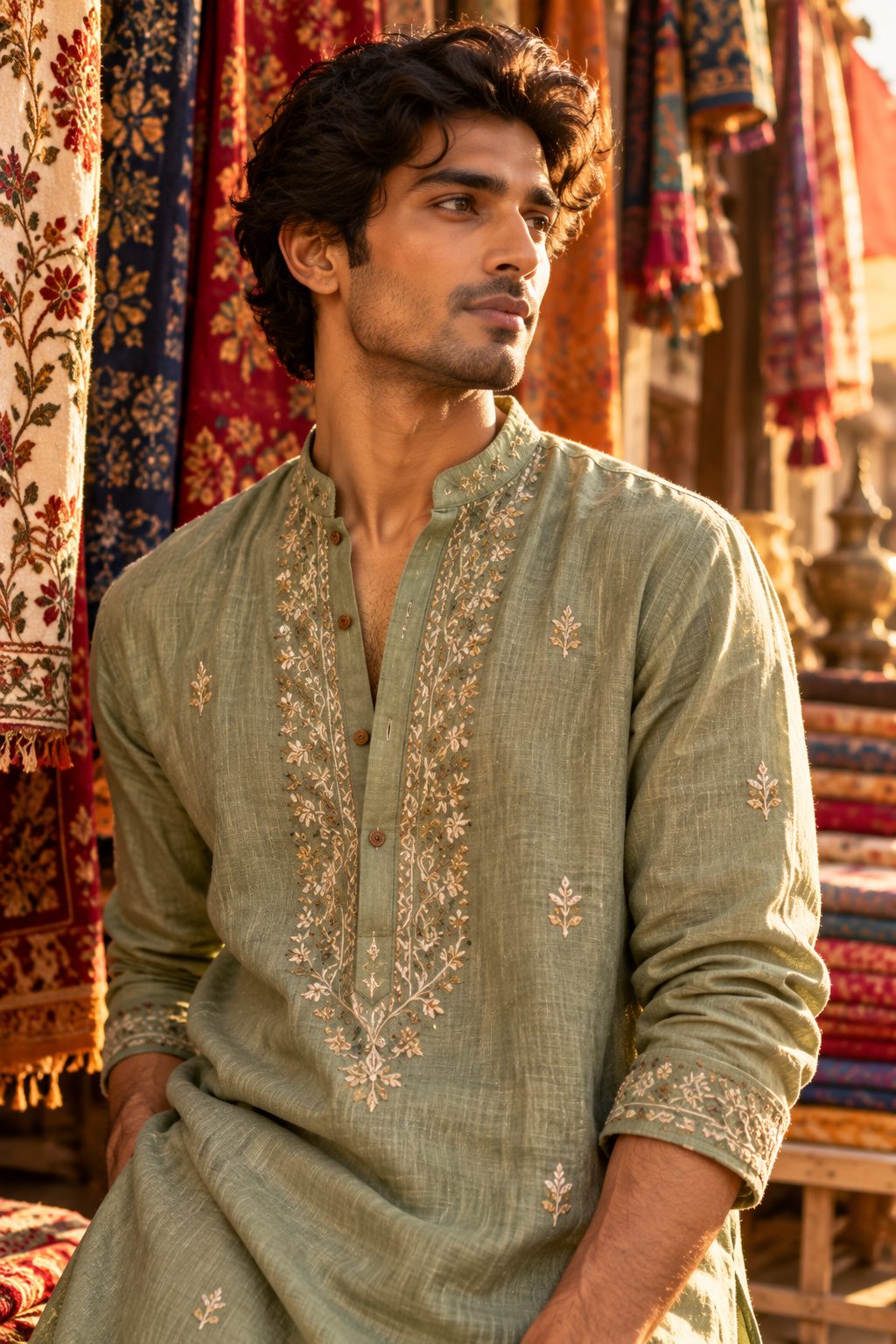
Garments such as co-ord sets and cape tops have become staples in the modern Indian wardrobe. The former, with its matching tops and bottoms, offers a seamless blend of style and comfort, making it a preferred choice for various occasions. Co-ord sets in vibrant colors or classic monochromes can easily transition from a day at work to an evening out. Cape tops, on the other hand, provide versatility, easily transitioning from casual daywear to festive attire with their elegant silhouettes and embellished designs. The embroidered versions are especially popular for festive occasions, blending traditional artistry with modern design.
Monochrome and Minimalist Trends
In alignment with the global minimalist trend, monochrome dressing has gained popularity in India. Head-to-toe outfits in shades like white, sage, and cobalt are not only visually striking but also imbue a sense of sophistication. This style, paired with handcrafted elements, aligns perfectly with the principles of slow fashion, emphasizing quality, longevity, and timeless appeal over fleeting trends. Monochrome dressing allows the craftsmanship to take center stage, highlighting the fine details that are often lost in more complex patterns.
Environmental and Cultural Implications
The shift towards handcrafted, sustainable fashion in India reflects a broader cultural and environmental consciousness. By prioritizing natural fabrics such as cotton, linen, and chanderi, brands are producing garments that are well-suited to India's predominantly warm climate. This focus on natural materials not only enhances comfort but also reduces the environmental footprint of fashion production. The use of locally sourced materials further minimizes the carbon footprint, supporting local economies and communities.
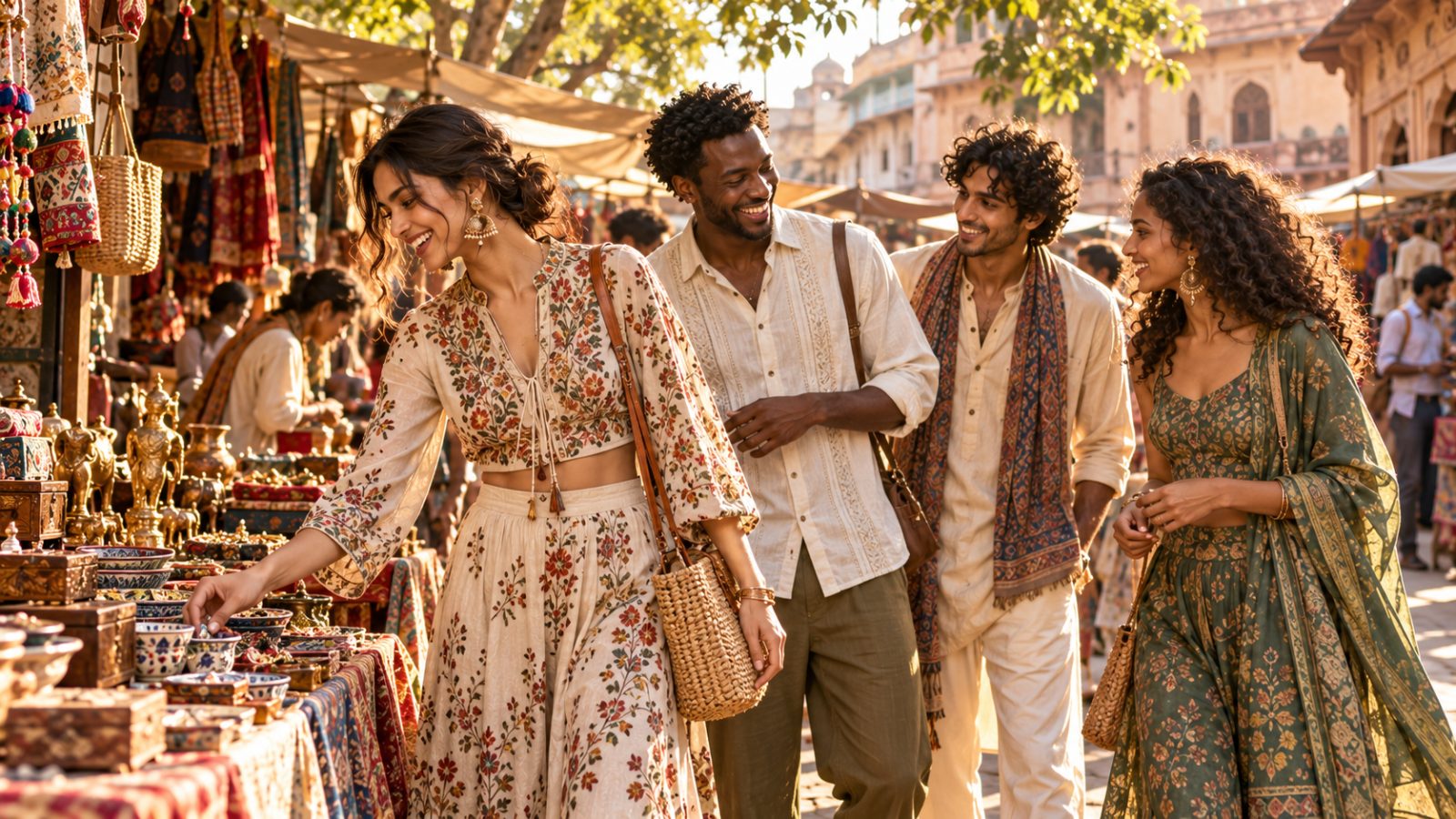
Beyond the environmental benefits, this movement fosters a deeper connection to cultural heritage. Handcrafted garments often draw on traditional artisan techniques, preserving skills that have been passed down through generations. In doing so, they offer consumers a chance to wear pieces that tell a story, celebrating the rich tapestry of Indian craftsmanship. Each garment becomes a testament to the artisan's skill and dedication, adding personal value beyond the aesthetic.
A Global Perspective
While the shift towards sustainable fashion is gaining ground globally, the Indian context provides a unique narrative. In Western markets, the focus has been on sustainable practices for some time, but the artisanal, small-batch approach is still finding its footing. As consumers in countries like the US and Europe increasingly seek out these exclusive, handcrafted pieces, the Indian fashion industry stands poised to offer a rich array of options, blending traditional techniques with contemporary design.
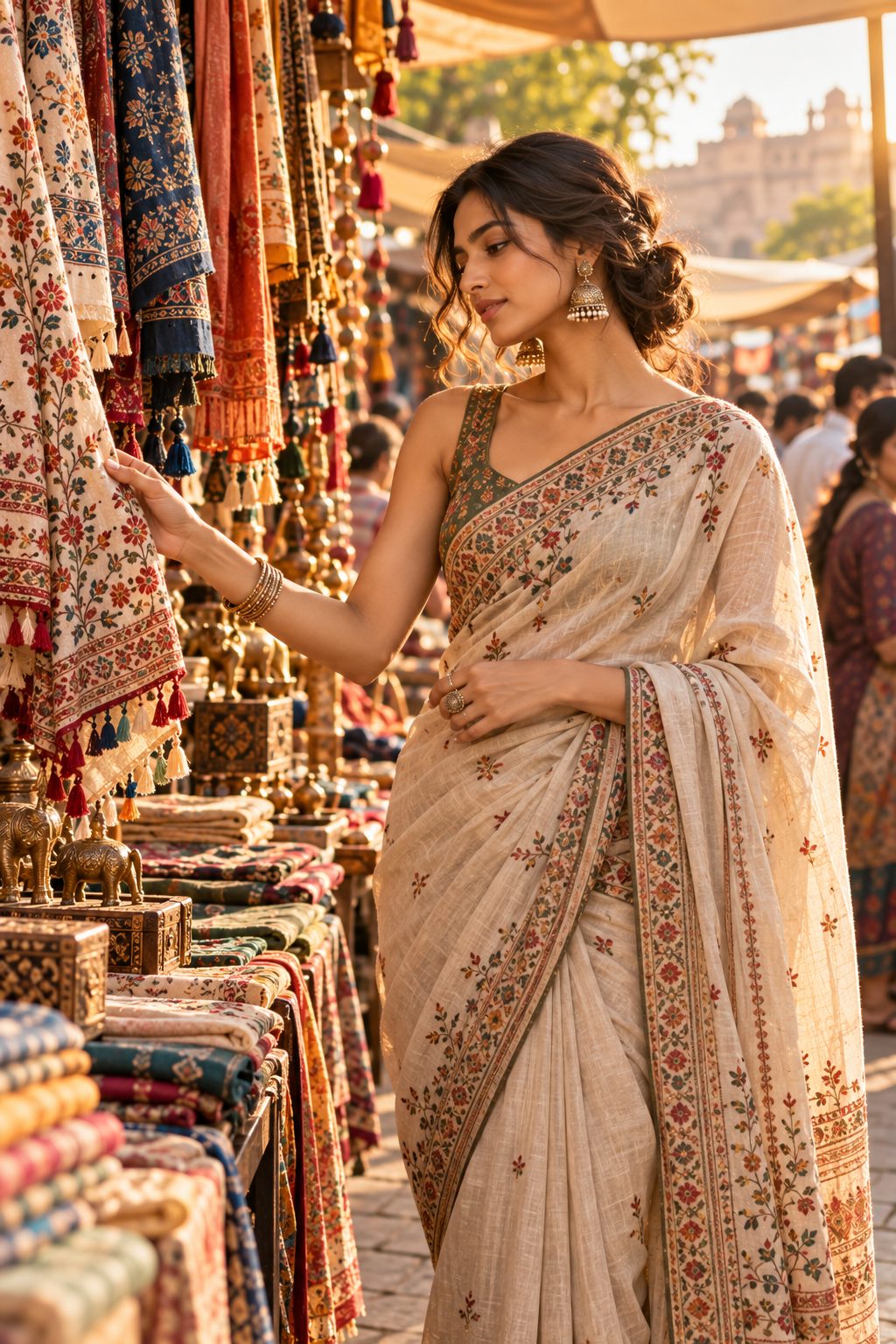
As the world becomes more attuned to the impact of fashion on the environment and society, India's embrace of handcrafted elegance serves as a beacon of hope for the future of sustainable fashion. By valuing tradition, quality, and ethical production, Indian consumers are redefining what it means to dress with purpose and style. This movement not only elevates India's fashion industry on the global stage but also inspires a new generation of consumers to make informed, conscious choices.
Conclusion
The transformation of Indian fashion towards handcrafted, sustainable clothing is more than a trend; it is a cultural renaissance that honors the past while looking towards the future. As brands like Haus of Handmade continue to lead the charge, the fashion landscape in India is set to become a testament to the power of tradition, innovation, and sustainability. This shift not only represents a change in consumer behavior but also a profound evolution in the fashion industry itself, promising a more ethical and environmentally conscious future for all.
Sustainabilityhandcrafted Indian fashionsustainable fashioncultural heritagemodern consciousnesshandcrafted clothing




Comments
No comments yet — start the conversation.