
Style Stories · Sustainability
Handcrafted Fashion: India's Sustainable Future
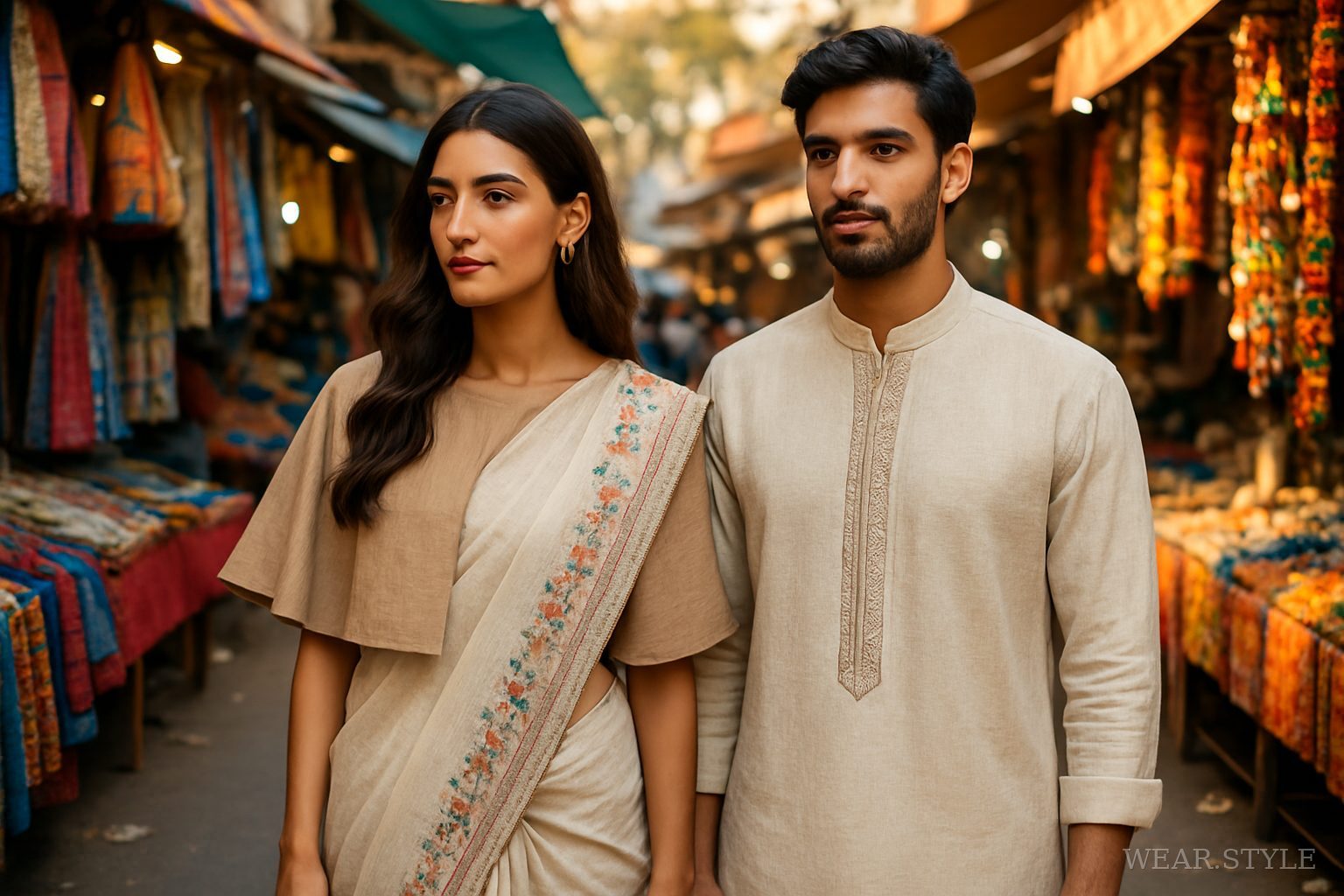
In the bustling world of fashion, India is experiencing a transformative moment. The shift towards sustainability and individuality is redefining the industry, with small-batch, handcrafted clothing leading the charge. As consumers become more conscious of their environmental footprint, they are turning away from the mass-produced allure of fast fashion in favour of the unique charm of handcrafted garments.
The Allure of Small-Batch Craftsmanship
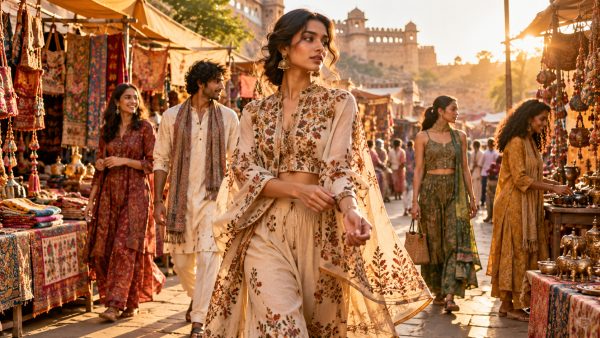
For the discerning shopper, the appeal of small-batch clothing lies not only in its exclusivity but also in the story each piece tells. Independent labels have captured this narrative, producing contemporary women's clothing in limited runs — cape tops and co-ord sets cut from natural fabrics that stand as a testament to a commitment to quality and sustainability.
Handcrafted clothing is not just about the finished product; it's about the process. Each piece is a labour of love, featuring hand-applied details like embroidery and sequins. This meticulous attention to detail is what sets small-batch clothing apart, offering consumers garments that are both stylish and timeless. The exclusivity of these pieces not only adds to their allure but also ensures that the wearer stands out in a crowd, celebrating individuality in a world of fast-paced fashion.
Sustainable Style for the Conscious Consumer
The rise of sustainable fashion is not just a trend; it's a movement. The demand for organic cotton kurtas, linen sarees, and bamboo fabric T-shirts is surging, particularly in urban centres like Delhi, Mumbai, Bengaluru, and Pune. These cities are witnessing a growing awareness among consumers about the environmental impact of their fashion choices. Shoppers are increasingly drawn to labels that prioritise ethical production and sustainable materials, aligning with their personal values and lifestyles.
Ethical labels working out of the North East sit at the forefront of this movement, blending traditional craftsmanship with contemporary design and building garments from natural, handwoven fabrics. Each piece supports local weavers, preserving cultural heritage while offering a thoroughly modern wardrobe. This approach sustains local economies and empowers artisans by placing real value on their skills and traditions.
A Fusion of Tradition and Modernity
Handcrafted clothing brings together India's rich textile heritage with modern silhouettes, resulting in unique pieces that cater to contemporary sensibilities. The resurgence of traditional techniques like hand-block printing and embroidery within modern designs highlights this fusion beautifully. These techniques, passed down through generations, are being reimagined in new contexts, keeping them relevant and alive in today's fashion landscape.
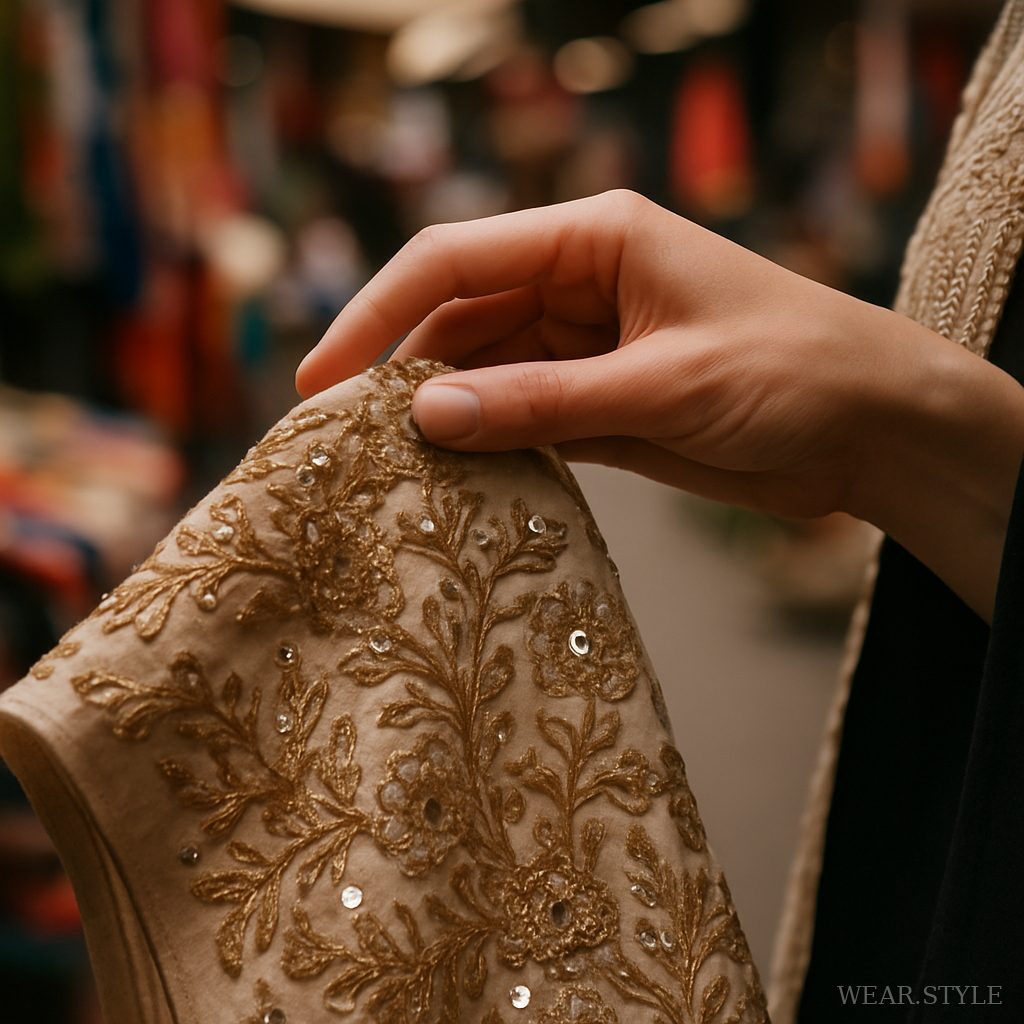
Some labels make this blend their whole identity. One works with women-led ateliers in Lucknow, Kutch and Jaipur, so that every piece of embroidery is signed and dated by the maker — a personal mark on each garment. Another builds itself around slow fashion, producing ethnic and western clothing that foregrounds the time and craftsmanship a piece takes. Both preserve traditional methods while innovating within them, and both offer garments that feel meaningful as well as fashionable.
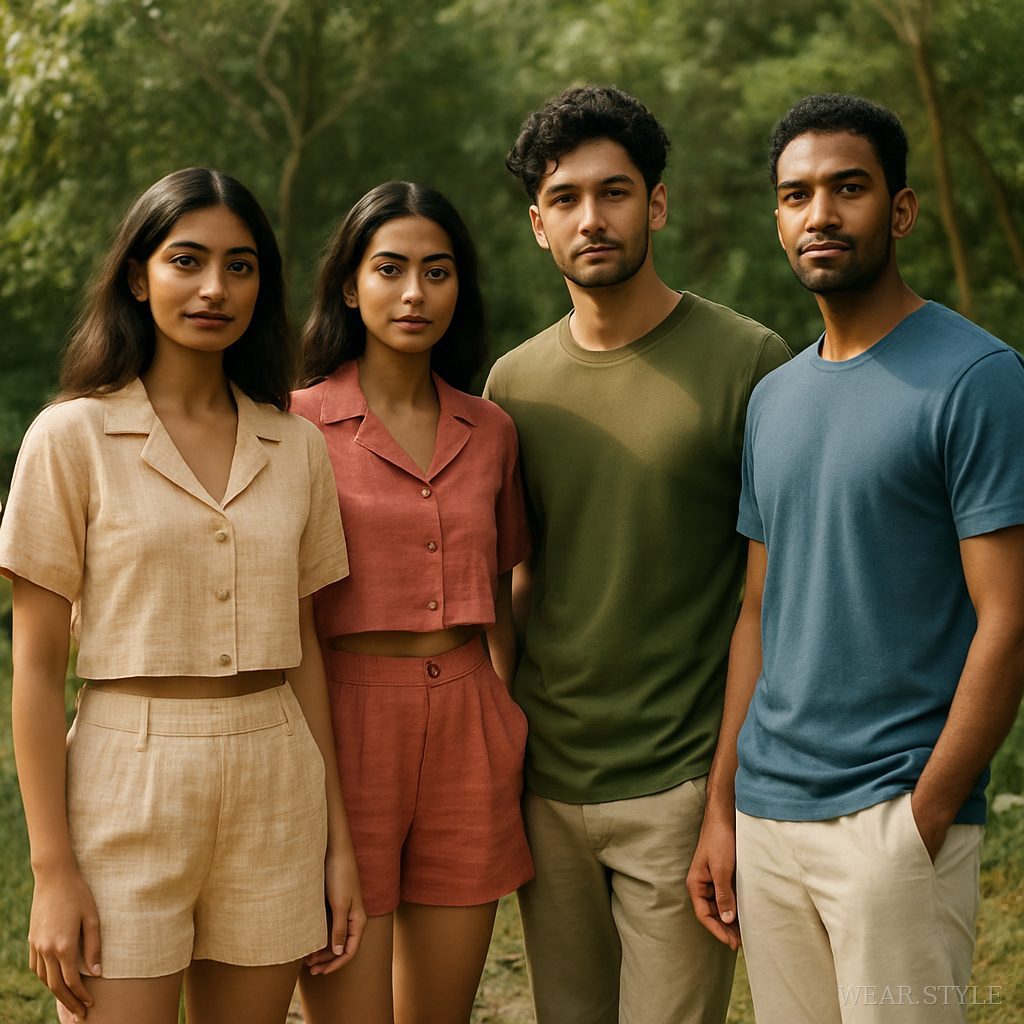
The shift towards handcrafted clothing is not just a fashion trend; it's a reflection of a broader cultural change. As more consumers embrace sustainable choices, they are not only supporting the preservation of traditional crafts but also ensuring a future where fashion can be both beautiful and ethical. This movement is about making informed choices that respect the planet and its people, ensuring that fashion becomes a force for good rather than a contributor to environmental degradation.
Market Context and Global Implications
Internationally, the demand for sustainable and ethically produced fashion is growing. Indian brands focusing on handcrafted, small-batch production are well-positioned to appeal to this global market seeking unique, high-quality garments. The narrative of sustainability and individuality resonates globally, offering Indian designers an opportunity to showcase their rich heritage on an international stage.
Domestically, consumers are increasingly conscious of the environmental and social impacts of their purchases. The preference for natural fabrics and traditional craftsmanship reflects a desire to support local artisans and preserve cultural heritage. This aligns with a global shift towards more responsible consumption, where consumers are prioritising quality over quantity and seeking products that tell a story.
Across the year, the category adapts without much effort: lightweight cotton and linen for India's hot summers, layered ensembles and heavier weaves for cooler months, and the same pieces dressed up or down for festive occasions and everyday wear alike. That versatility — a cape top as a layer, a co-ord set mixed back into the rest of a wardrobe, a hand-embroidered kurta for a celebration — is a large part of why handcrafted clothing has moved from a niche interest to a genuine wardrobe staple.
Sustainabilitysustainable fashionhandcrafted clothingsmall-batch fashionIndia fashion industrysustainability trends


Comments
No comments yet — start the conversation.