
Khadi's Modern Makeover in Men's Fashion
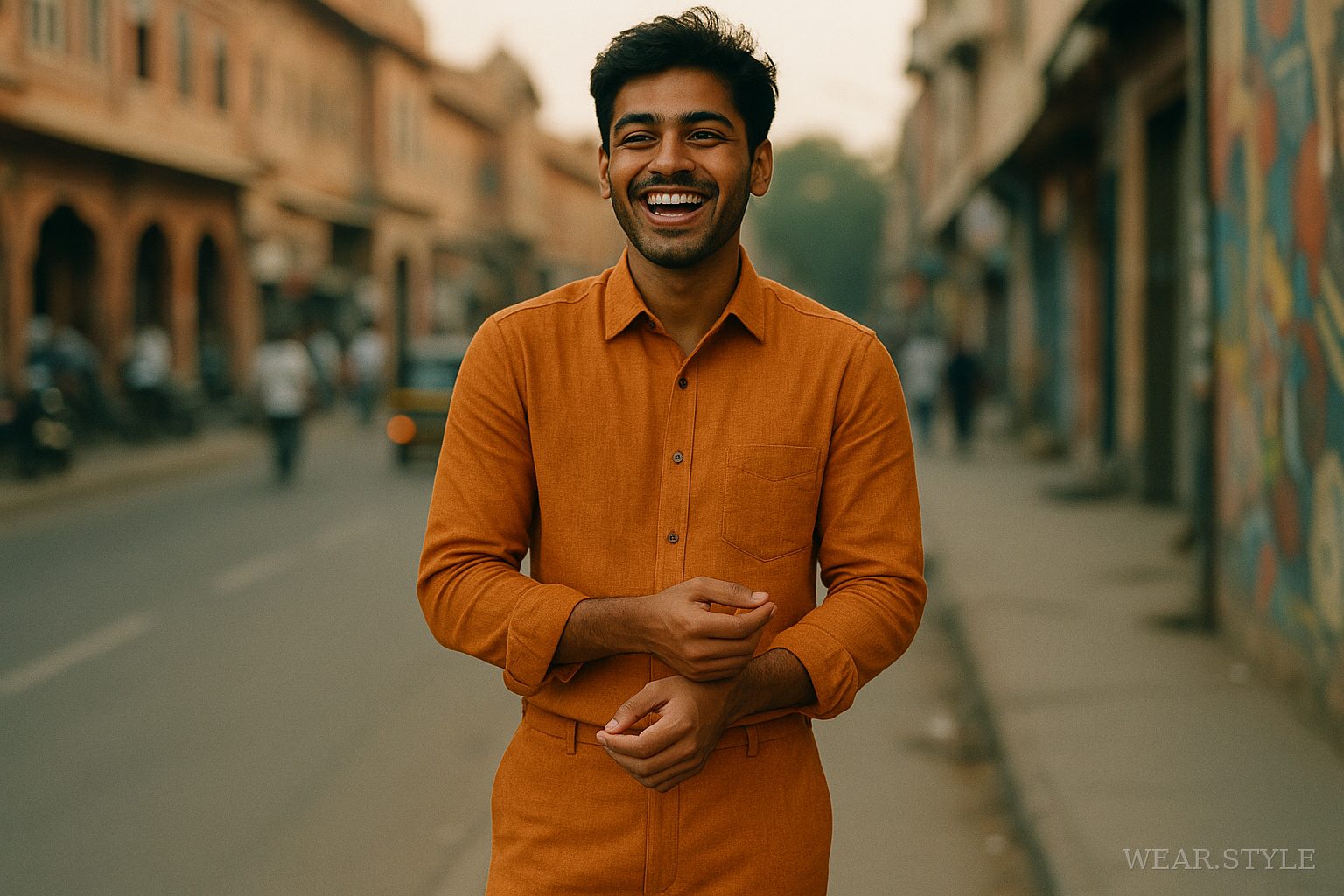
In the ever-evolving landscape of men's fashion, the fusion of sustainability and style has found a powerful ally in khadi. This hand-spun, hand-woven fabric, steeped in history and cultural significance, is experiencing a renaissance that aligns with the global shift towards eco-friendly and culturally conscious clothing. As more designers integrate khadi into modern silhouettes, it is not only the fabric's heritage that is being celebrated but also its potential to redefine sustainable fashion.
The Historical Thread of Khadi
Khadi's legacy is deeply intertwined with India's fight for independence, championed by Mahatma Gandhi as a symbol of self-reliance and resistance against colonial rule. Its roots in the Swadeshi movement imbue it with a narrative of empowerment and cultural pride, making it a fabric of both historical and emotional significance. Gandhi's promotion of khadi was not just about fabric; it was a call for economic independence and self-sufficiency, encouraging Indians to spin and weave their own cloth rather than rely on British imports. This ethos of self-reliance and resistance still resonates, offering a poignant reminder of the power of collective strength and cultural identity.
In the modern context, khadi's appeal lies in its eco-friendly production process. Each piece of khadi is crafted with minimal carbon footprint, offering a sustainable alternative to mass-produced textiles. The hand-crafted approach not only supports rural artisans but also preserves traditional weaving techniques that have been passed down through generations. This makes khadi not just a fabric, but a living, breathing testament to India's rich textile heritage, an embodiment of slow fashion principles that prioritize quality and sustainability over fast fashion's disposable trends.
Modern Interpretations and Global Appeal
Recent fashion weeks have placed khadi firmly in the spotlight, showcasing its versatility and global appeal. At the London Fashion Week's "Khadi Utsav Fashion" in February 2023, the fabric was celebrated for its role in sustainable fashion, drawing attention from international designers and fashion enthusiasts alike. Meanwhile, designers at Lakmé Fashion Week in March 2023, such as Divyam Mehta and Suket Dhir, highlighted khadi's capacity to blend traditional textiles with contemporary designs. These events have been pivotal in repositioning khadi as a fabric of global significance, reflecting a broader acceptance of sustainable and artisanal textiles.
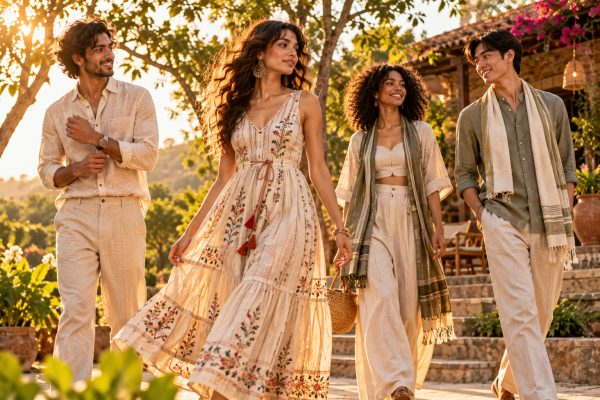
Incorporating khadi into modern menswear is no longer just about paying homage to tradition; it's about innovation. Designers are exploring new silhouettes and textures, crafting everything from tailored jackets and relaxed-fit pants to structured shirts and co-ord sets. By combining khadi with other fabrics like silk and linen, they are creating layered effects that add depth and dimension to garments. This creative exploration extends khadi's functionality beyond its traditional uses, making it an adaptable material suitable for various fashion-forward applications.
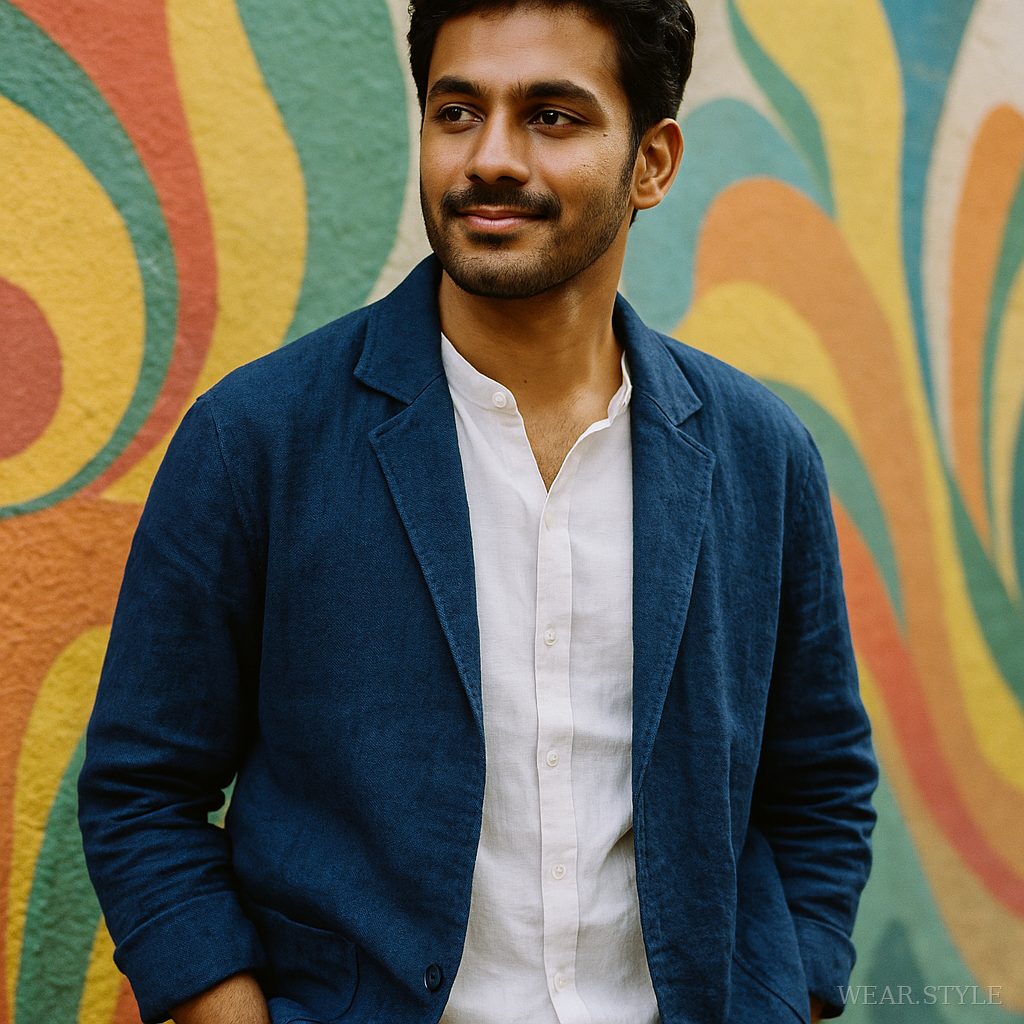
Colour palettes have also evolved, moving beyond the classic whites and incorporating earthy tones and muted hues. This shift not only broadens khadi's appeal but also aligns it with contemporary fashion trends, making it a versatile choice for men looking to incorporate sustainable pieces into their wardrobes. The muted tones and natural dyes used in modern khadi collections resonate with the current minimalist aesthetic, appealing to those who appreciate subtlety and sophistication in their sartorial choices.
Khadi in the Contemporary Wardrobe
Khadi's adaptability is one of its strongest assets, allowing it to transcend seasonal boundaries. Its breathable nature makes it ideal for India's varied climates, providing comfort in both summer and winter. This versatility is not just practical; it reflects the fabric's inherent quality and craftsmanship, attributes that are increasingly valued in a world saturated with synthetic options. Globally, khadi is equally suited for layering in cooler regions and as standalone pieces in warmer environments, offering a year-round solution for eco-conscious consumers.
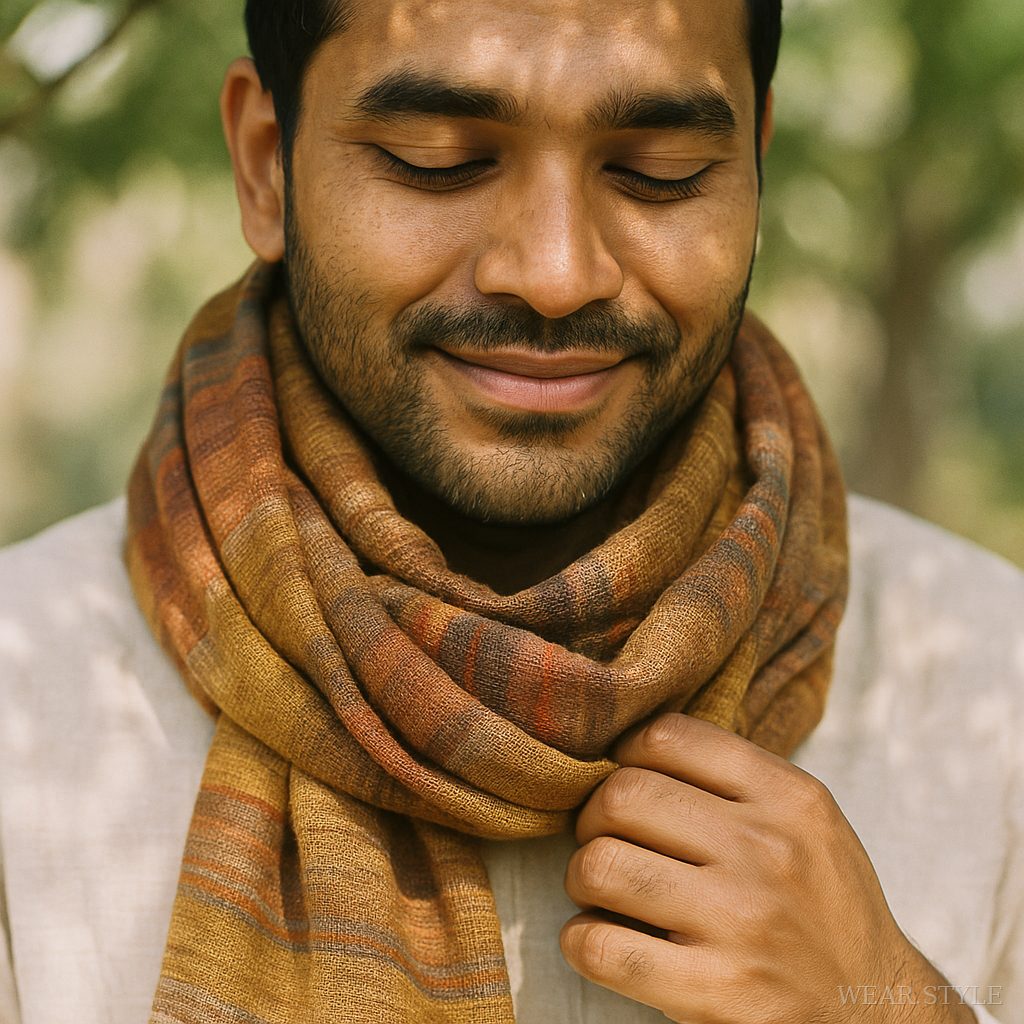
The modern man's wardrobe can now include khadi in the form of jackets, shirts, pants, suits, and co-ord sets. Each piece offers a unique blend of sustainability and style, catering to the growing demand for fashion that respects both the planet and cultural heritage. The inclusion of khadi in contemporary menswear collections signals a shift in consumer values, where the story behind the fabric is as important as the garment itself.
The current market context sees a growing domestic demand for khadi, especially among the youth, who view it as a blend of cultural pride and modern style. This demographic is increasingly influential in driving the sustainable fashion movement, recognising khadi not just as a fabric, but as a statement of identity and values. For young consumers, wearing khadi is not only about making a fashion statement; it's about making a conscious choice to support ethical production and cultural preservation.
As the global fashion industry continues to grapple with the challenges of sustainability, khadi offers a compelling narrative. It is more than just a fabric; it's a movement that honours the past while paving the way for a more sustainable future. For those looking to make a meaningful impact with their sartorial choices, khadi stands as a beacon of hope and innovation. Its resurgence in contemporary men's fashion is a testament to the timeless appeal of quality, craftsmanship, and cultural significance.
Fabrickhadi men's fashionsustainable fashioncultural heritagemen's textilesmodern khadi

Comments
No comments yet — start the conversation.