
Indian Textiles: The Fabric of Global Fashion
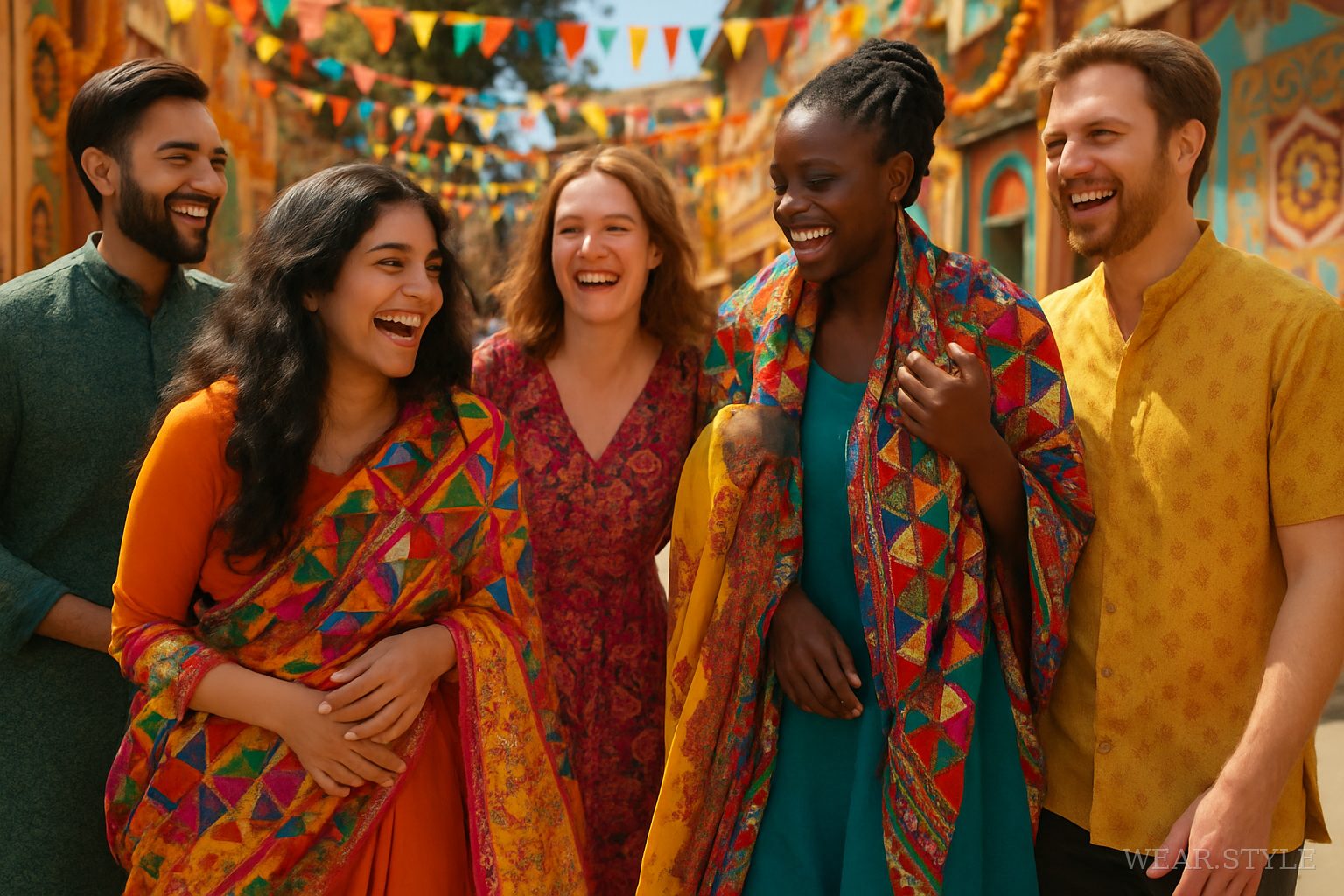
In the ever-evolving landscape of global fashion, a compelling narrative is being spun—a story of tradition, artistry, and a conscious approach to consumption. Indian textiles, renowned for their intricate craftsmanship and vibrant heritage, are emerging as the darlings of international designers, gracing runways with their unique blend of authenticity and sustainability. This movement not only highlights the aesthetic appeal of these fabrics but also underscores a cultural appreciation that resonates with a global audience.
The Cultural Fabric of Fashion
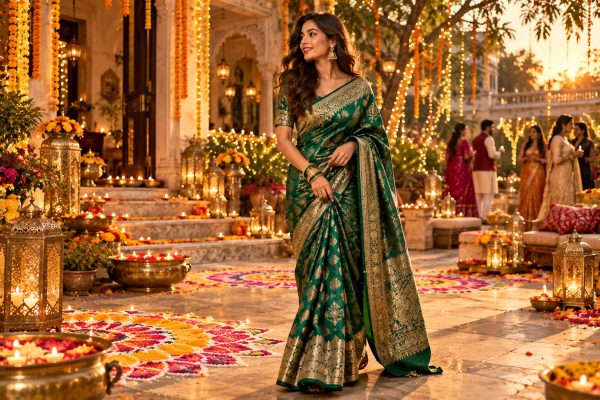
Indian traditional fabrics have a longstanding history of artisanal excellence, each piece a testament to the skill and creativity of the weavers. From the rhythmic patterns of phulkari to the meticulous stitches of kantha, these textiles carry stories of communities and cultures. The global fashion industry's embrace of these materials is a testament to a broader movement towards slow fashion, where the emphasis is on quality, craftsmanship, and ethical production.
Recent events have spotlighted this trend, with Dior's spectacular show at Mumbai's Gateway of India in March 2023 standing out. The collection, a tribute to Indian artistry, featured traditional floral designs and live fusion music, transforming the iconic landmark into a celebration of cultural exchange. Such initiatives reflect a growing desire among designers to incorporate diverse cultural elements into their work, creating garments that are not only visually striking but also rich in narrative.
A Global Stage for Indian Artisans
The integration of Indian textiles into mainstream fashion collections represents a significant shift toward sustainability and cultural appreciation. At the BRICS+Fashion Summit in December 2023, Indian handlooms took centre stage, captivating audiences with their vibrancy and sophistication. Designers like Ritesh Kumar and Gaurav Khanijo showcased collections that seamlessly blended traditional techniques with modern silhouettes, underscoring the versatility and timelessness of these fabrics.
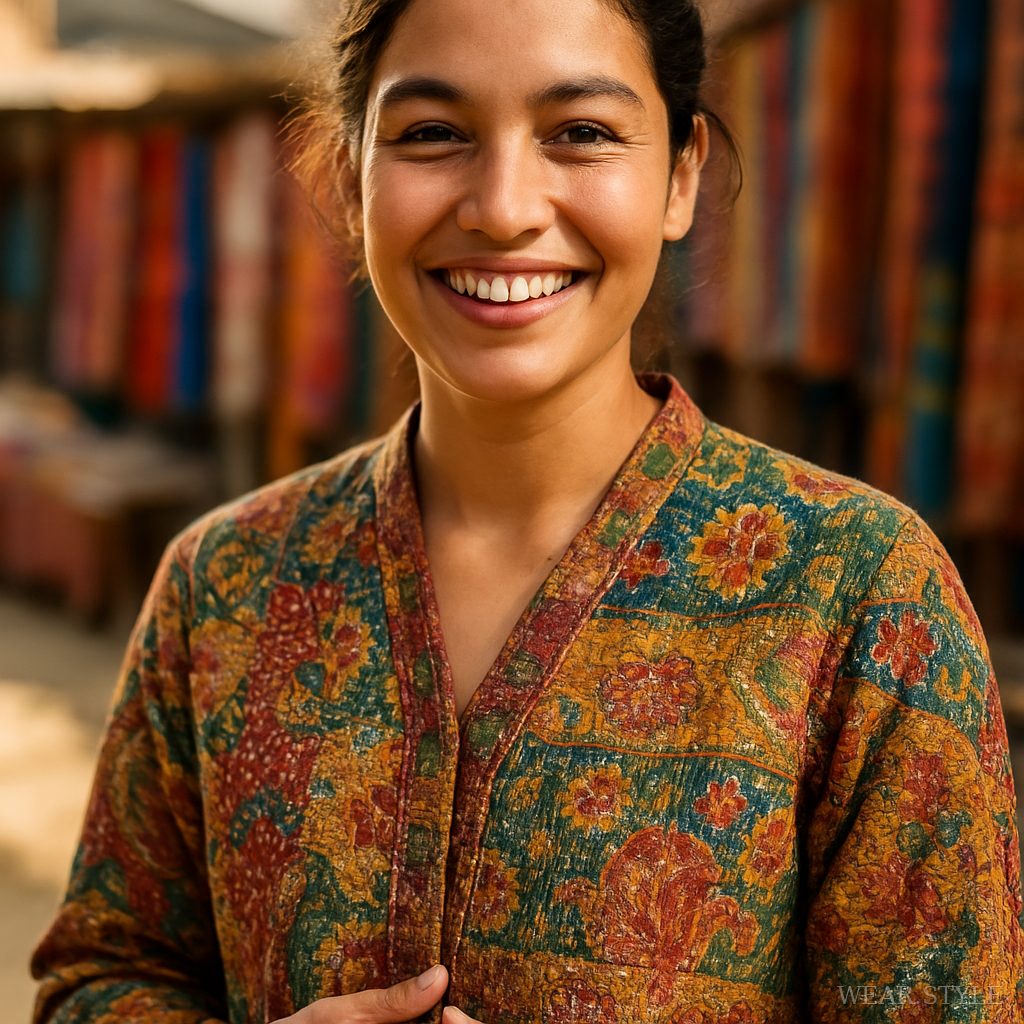
This trend is not merely about aesthetics; it is a concerted effort to support artisan communities and preserve their crafts. By collaborating with Indian artisans, designers are ensuring that these age-old skills are not lost to modern mechanisation. This symbiotic relationship enriches the fashion industry, offering consumers garments that are steeped in heritage yet tailored for contemporary sensibilities.
Fashioning a Sustainable Future
The appeal of Indian textiles extends beyond their cultural significance. Their eco-friendly production methods align perfectly with the growing consumer demand for sustainable fashion. Lightweight cottons and silks, perfect for warm climates, are gaining prominence in spring and summer collections across both hemispheres. Whether it's a flowy dress crafted from airy cotton or a structured blazer adorned with intricate embroidery, these garments exemplify how traditional fabrics can be reinvented to suit modern tastes.
Exhibitions like the "India in Fashion" showcase at the Nita Mukesh Ambani Cultural Centre in April 2023 have further amplified the global influence of Indian textiles. Featuring over 140 iconic costumes, the exhibition documented the profound impact of Indian craft on the international fashion scene. Such events educate and inspire, fostering a deeper appreciation for the artistry and labour behind these textiles.
Trend Origins and Current Developments
The resurgence of Indian textiles in global fashion can be traced back to several key moments. Dior’s Pre-Fall 2023 collection presented in Mumbai was a homage to the brand’s decade-long relationship with Indian craftsmanship, incorporating various textiles, weaves, and handwork traditions. The "India in Fashion" exhibition curated by Hamish Bowles explored India's artisanal history, showcasing the country's immeasurable influence on fashion.
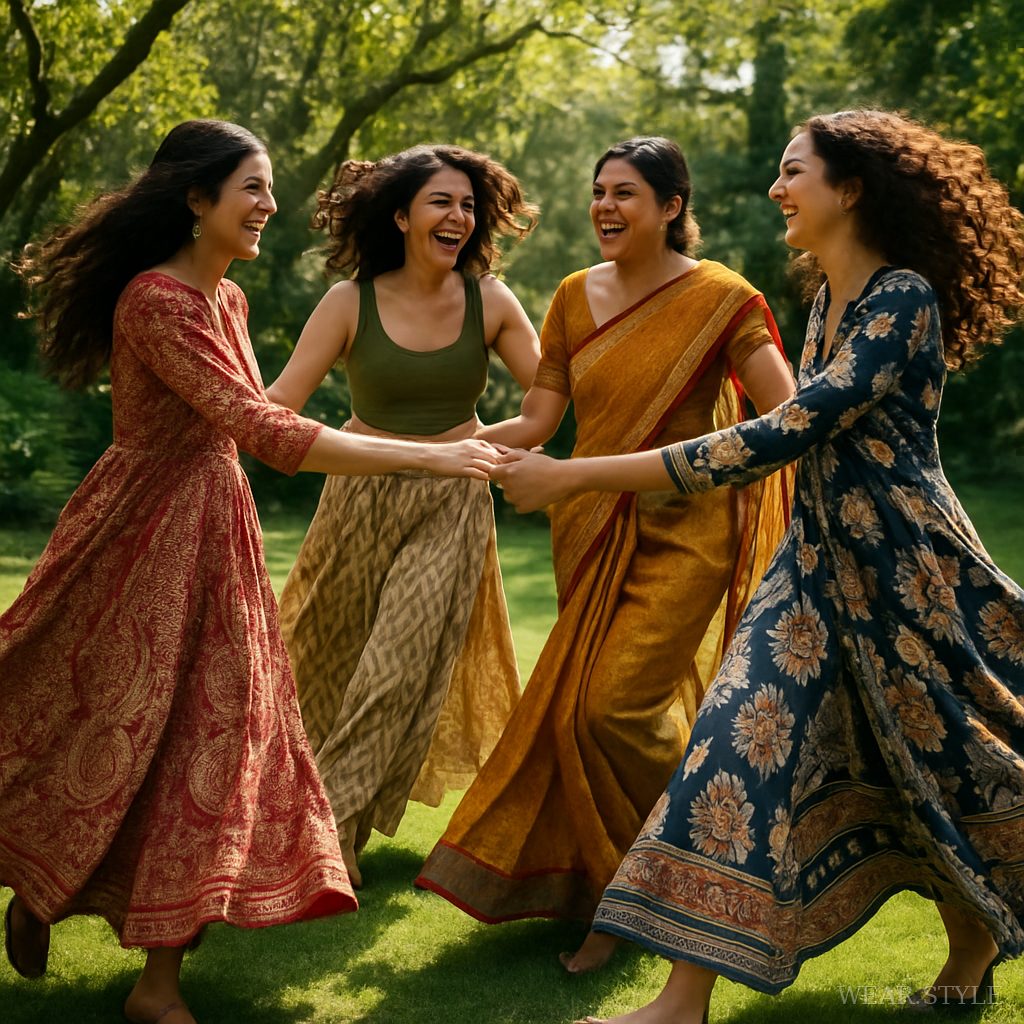
Designers are increasingly integrating Indian textiles into mainstream collections, collaborating with Indian artisans to incorporate traditional techniques such as phulkari, mirrorwork, and kantha into contemporary designs. This collaboration not only preserves these age-old crafts but also introduces them to a global audience. The BRICS+Fashion Summit underscored the global appeal and relevance of Indian handlooms and weaves, with Indian designers and textiles taking center stage.
Style Interpretation
Designers are blending traditional Indian fabrics with modern silhouettes to create unique pieces that resonate with contemporary audiences. For instance, lightweight Indian cottons are being used in flowy dresses, while intricate embroideries adorn structured blazers. The fusion of traditional textiles with minimalist designs allows for versatile garments suitable for various occasions. Wide trousers crafted from Indian textiles offer a blend of comfort and sophistication, while oversized shirts featuring Indian prints and weaves present a relaxed yet stylish look.
Market Context and Seasonal Relevance
Globally, the incorporation of Indian textiles caters to consumers seeking authenticity and sustainability in fashion. In India, this trend reinforces national pride and supports local artisans, aligning with the "Make in India" initiative. While international markets view these textiles as exotic and luxurious, the Indian market appreciates them for their cultural significance and craftsmanship. Indian textiles, particularly lightweight cottons and silks, are ideal for spring and summer collections in both hemispheres. Their breathability and comfort make them suitable for warmer climates, while their vibrant colors and patterns align with seasonal trends.
Image Opportunities
To visually capture the essence of this movement, consider images of runway shows with models donning garments made from Indian textiles at international fashion events. Artisan workshops can be depicted, capturing the meticulous process of traditional textile creation in Indian villages. Close-ups of fabrics highlighting the intricate details and craftsmanship of Indian weaves and embroideries can further draw attention to the artisan skills and heritage embedded in these textiles.
As the fashion industry continues to evolve, the role of Indian textiles in shaping its future is undeniable. They offer a compelling narrative that intertwines sustainability, cultural heritage, and innovative design—a story that resonates with consumers who value authenticity and ethical practices. In embracing these fabrics, the global fashion community not only honours India's rich textile heritage but also charts a path towards a more conscientious and inclusive industry.
CultureIndian textilessustainabilitycultural appreciationartisanal craftsmanshipglobal fashion


Comments
No comments yet — start the conversation.