
Style Stories · Sustainability
Handloom Evolution: Tradition Meets Modernity
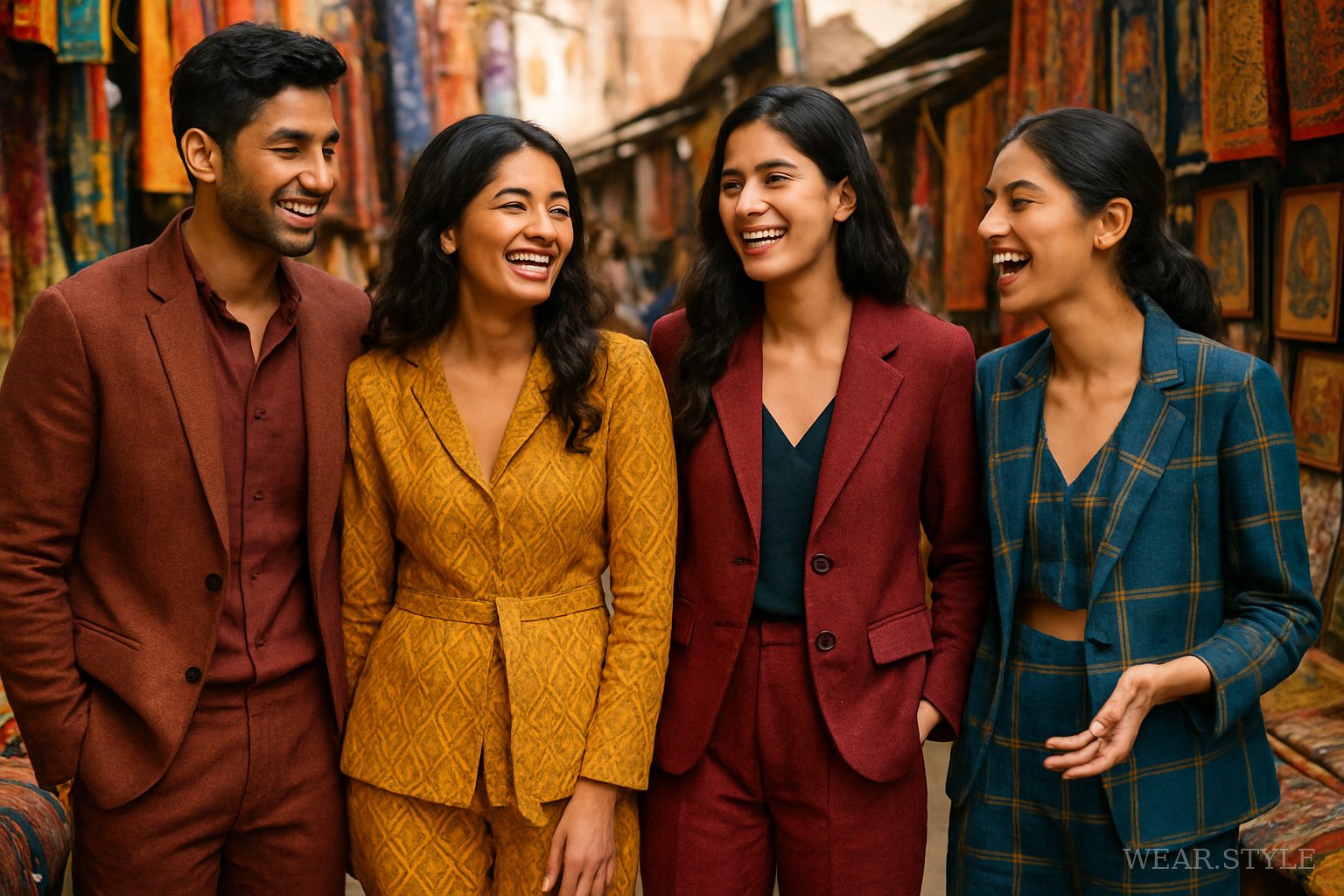
In an era when sustainability is no longer just a buzzword but a mandate, India's handloom industry is weaving a vibrant new narrative. As global fashion finds itself at a crossroads, grappling with the urgent call for eco-friendly practices, Indian designers are turning to their roots. They are transforming the nation's rich artisanal heritage into modern fashion statements, effectively bridging the gap between tradition and contemporary style.
Reviving Tradition with a Modern Twist
Every August 7th, India celebrates National Handloom Day, a date that has lately become a focal point for the fashion industry’s spotlight on traditional textiles. This year, designers have been particularly vocal about integrating handloom fabrics into everyday wear, making them relevant beyond festive and ceremonial use. The focus is clear: bring heritage textiles out of the vaults and into our daily wardrobes.
Designers like T Vyshnavi of Chitiki Looms are at the forefront of this movement, reimagining traditional weaves for the modern consumer. By incorporating contemporary styling, they ensure that these fabrics do not just evoke nostalgia but also resonate with today's aesthetic sensibilities. The use of local weaves in modern silhouettes—think tailored jackets and co-ord sets—highlights a blend of craft and style that feels both nostalgic and fresh. Vyshnavi's approach is not only about preserving the craftsmanship but also about making it accessible and desirable to a younger, style-conscious audience.
The Global Appeal of Indian Handlooms
In recent years, the global fashion landscape has seen a rising demand for products that are sustainable and ethically produced. India's handloom revival aligns seamlessly with this trend, offering garments that are not only eco-friendly but also culturally rich. This movement has been bolstered by designers like Sanjay Garg of Raw Mango, who have championed traditional textiles on international platforms like London Fashion Week. Garg's presentation in February 2026 was a testament to the versatility and timeless appeal of handloom fabrics, showcasing their potential to transcend cultural boundaries and appeal to a global audience.
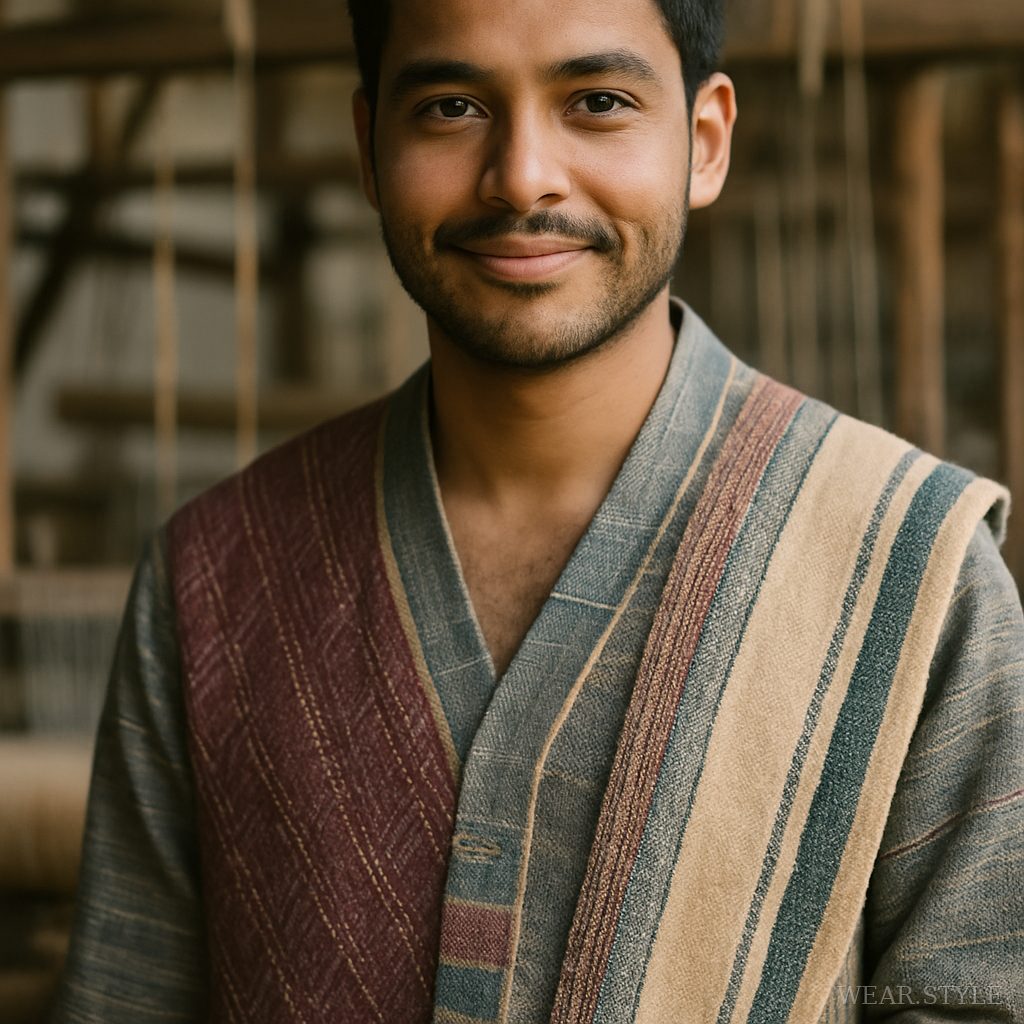
These efforts are not just about showcasing the beauty of handlooms but also about positioning them as viable alternatives to fast fashion. The breathability and comfort of handloom fabrics make them particularly suitable for different climates, offering versatility that appeals to a global audience. Lightweight cottons and silks provide relief in warmer months, while heavier weaves can be adapted for cooler seasons, making handloom textiles a year-round staple. This adaptability ensures their relevance across hemispheres, catering to diverse climate needs.
Fashion's Cultural Reawakening
The resurgence of handloom textiles is not merely a fashion statement but a cultural reawakening. It is a movement that champions the stories and traditions woven into each fabric. By integrating these textiles into modern fashion, designers are not only preserving an art form but also engaging a new generation in a dialogue about heritage and identity.
Brands like Gul Sohrab are taking this dialogue further by experimenting with oversized, architectural silhouettes that merge traditional techniques with modern streetwear aesthetics. This inventive approach not only captivates the imagination but also challenges conventional perceptions of what handloom can be. The brand's work reinterprets traditional weaves into sculptural fashion, bridging the gap between past and present, and inviting consumers to see handloom as a dynamic and versatile choice for contemporary wardrobes.
From Tradition to Everyday Fashion
The transformation of handloom fabrics into everyday fashion is a testament to their versatility. Designers are crafting jackets, dresses, co-ord sets, shirts, and accessories that maintain the craftsmanship of traditional weaves while offering modern styling options. This approach ensures that handloom textiles are not confined to festive occasions but become integral to everyday wardrobes. For instance, a handloom jacket can add a touch of elegance to a casual outfit, while a flowy dress can make a statement at a formal gathering, proving the adaptability of these fabrics.
Market Context and Future Prospects
Globally, there is an increasing demand for sustainable and ethically produced fashion. India's handloom revival aligns with this trend, offering products that are both eco-friendly and culturally rich. In the Indian market, consumers are showing a growing appreciation for heritage textiles presented in contemporary forms, reflecting a desire to connect with cultural roots while embracing modernity. This trend is likely to continue as more consumers become conscious of their environmental impact and seek out fashion choices that align with their values.
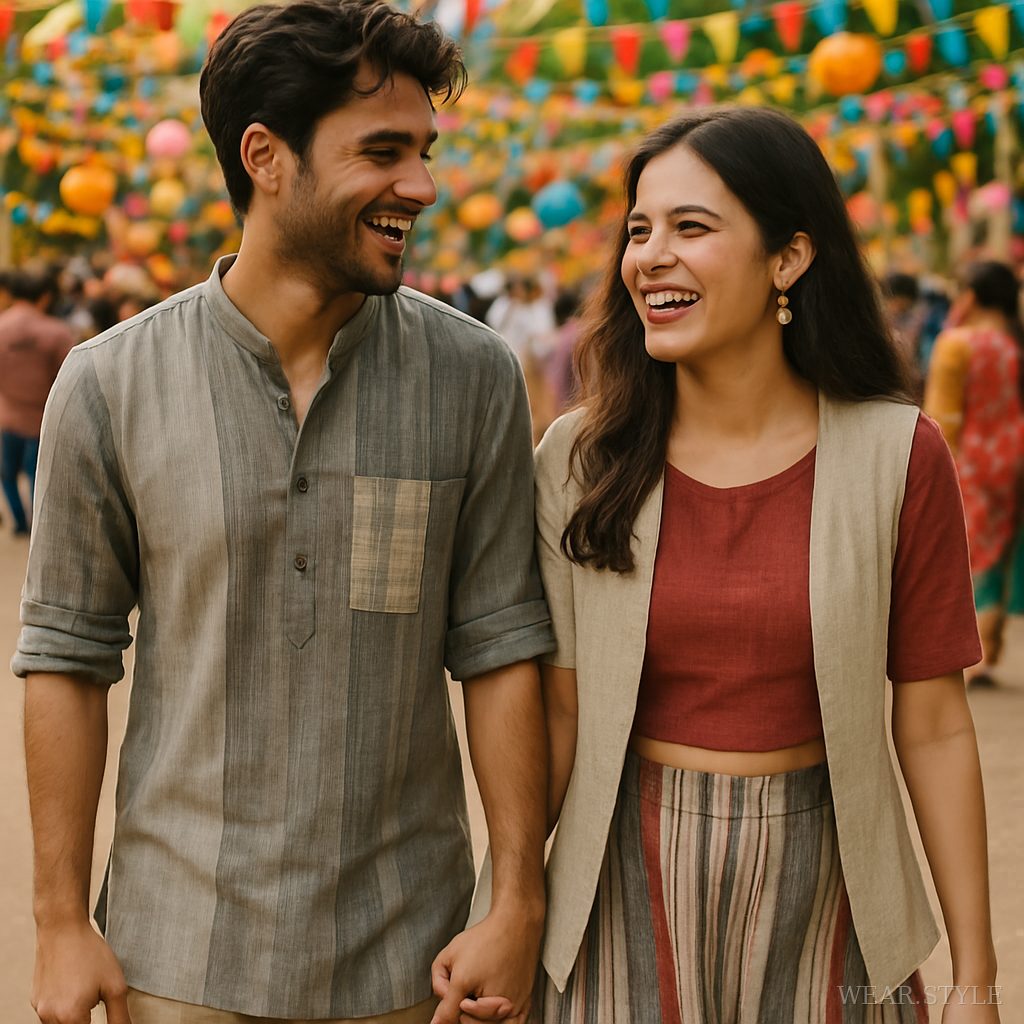
The handloom industry's evolution is a promising model for sustainable fashion, offering insights into how traditional crafts can thrive in modern contexts. As more designers embrace this movement, the future of handloom textiles looks vibrant, with endless possibilities for innovation and cultural expression.
As India's handloom industry continues to evolve, it is clear that these fabrics are more than just relics of the past. They are dynamic, living pieces of art that can adapt and thrive in the modern world. The handloom revival is crafting a future where tradition and modernity coexist harmoniously, offering a model for sustainable fashion that resonates globally.
Sustainabilityhandloom fashionsustainable fashioneco-friendly textilescultural heritagemodern design




Comments
No comments yet — start the conversation.